In solventless extraction and wet filtration workflows, bag size directly affects processing capacity, handling efficiency, separation consistency, and long-term operating cost. Nylon Mesh Bubble Bags are designed to provide structured filtration through durable mesh screens, allowing operators to separate particles by size while maintaining stable workflow control. For buyers comparing bubble bag sizes, the main challenge is understanding the difference between gallon capacity and micron rating. Capacity determines how much material and liquid the bag system can handle, while micron size determines the level of filtration and separation accuracy.
Many users begin by asking what size of bubble bags they need, but the right answer depends on production volume, container compatibility, material type, and the desired level of refinement. A small test batch may only require 1 gallon bubble bags, while a production facility may need 20 gallon bubble bags or 32 gallon bubble bags to improve throughput. At the same time, operators must also evaluate what size micron bubble bags are suitable for their separation goals. These two specifications work together, but they solve different operational problems.
Understanding Bubble Bag Sizes and Capacity
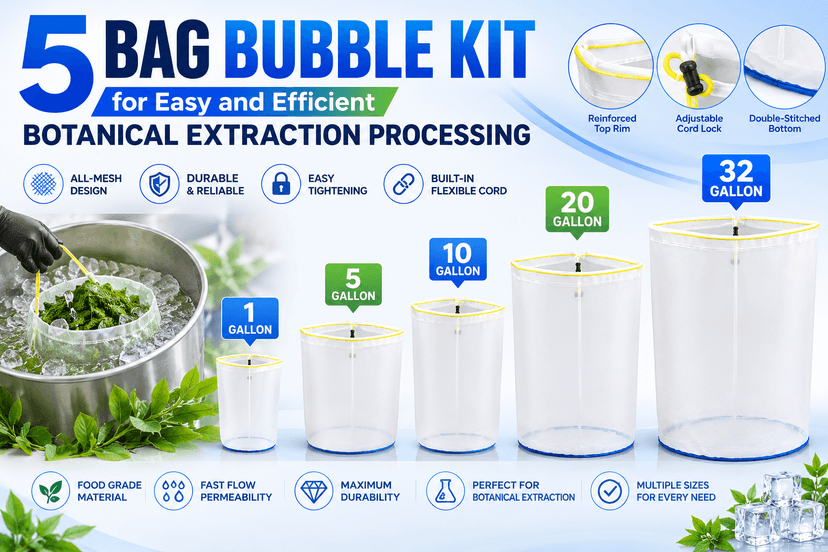
Bubble bag sizes are usually defined by the volume of the bucket, vessel, or washer they are designed to fit. Common options include 1 gallon bubble bags, 5 gallon bubble bags, 10 gallon bubble bags, 20 gallon bubble bags, and 32 gallon bubble bags. These sizes refer to processing capacity, not filtration fineness. A 5 gallon bag and a 32 gallon bag may use the same micron rating, but they are designed for very different batch volumes.
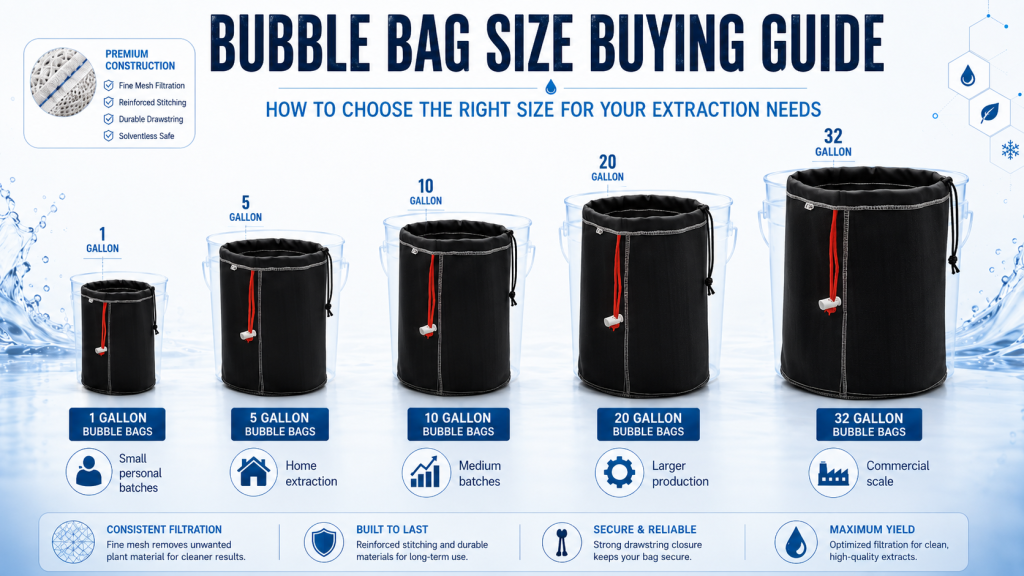
Small bubble bags are useful for testing, sampling, and low-volume processing. 1 gallon bubble bags are often selected when operators need controlled trial runs with limited material. They require less water, less ice, less workspace, and less cleaning time. This makes them suitable for laboratories, small-batch processors, or users comparing material behavior before scaling up to larger systems. Their compact structure also makes them easier to rinse and dry after use.
5 gallon bubble bags are one of the most widely used standard sizes because they offer a practical balance between capacity and manageability. Bubble bags 5 gallon systems fit common extraction buckets and are suitable for small to mid-size production. For buyers looking for bubble bags for 5 gallon bucket workflows, this format provides a convenient starting point because standard buckets are easy to source and simple to integrate into manual washing or filtration setups.
Larger systems are designed for higher throughput. 10 gallon bubble bags provide more capacity than compact sets while remaining easier to handle than full industrial systems. 20 gallon bubble bags and 32 gallon bubble bags are preferred when operators need to process larger material volumes with fewer repeated cycles. Large bubble bags can improve workflow efficiency, but they also require stronger construction, more workspace, and careful handling because wet material and water weight place more stress on seams and mesh panels.
Matching Bag Size to Production Workflow
Choosing the correct bag size begins with evaluating the workflow. For small-scale testing, small bubble bags are usually more efficient because they reduce waste and allow closer process control. A one-gallon system makes it easier to observe drainage, resin collection, and material behavior. If the goal is product development, sample testing, or process validation, 1 gallon bubble bags can provide enough capacity without requiring unnecessary water or material.
For routine small-batch production, 5 gallon bubble bags remain a practical choice. They are large enough to process meaningful batches but still light enough for one operator to manage. Bubble bags for 5 gallon bucket setups also support straightforward stacking, draining, and collection. This format is especially useful for users who want a dependable workflow without investing in large containers or machine-assisted systems immediately.
10 gallon bubble bags are suitable when five-gallon capacity becomes limiting but the operation does not yet require full-scale equipment. They can reduce the number of batches required while keeping handling demands reasonable. This size may suit small commercial processors, pilot production, or users who want more output per cycle without moving directly into large bubble bags.
20 gallon bubble bags and 32 gallon bubble bags are better suited to high-volume workflows. A 32 gallon format can reduce repetitive washing cycles and improve throughput, but it requires appropriate containers, more water, more ice, and stronger operating procedures. Bubble bags 32 gallon systems should be selected only when the facility can support the added weight and cleaning requirements. For production environments, these larger sizes can improve cost efficiency when paired with durable nylon mesh, reinforced seams, and compatible washing vessels.
Micron Size and Filtration Accuracy
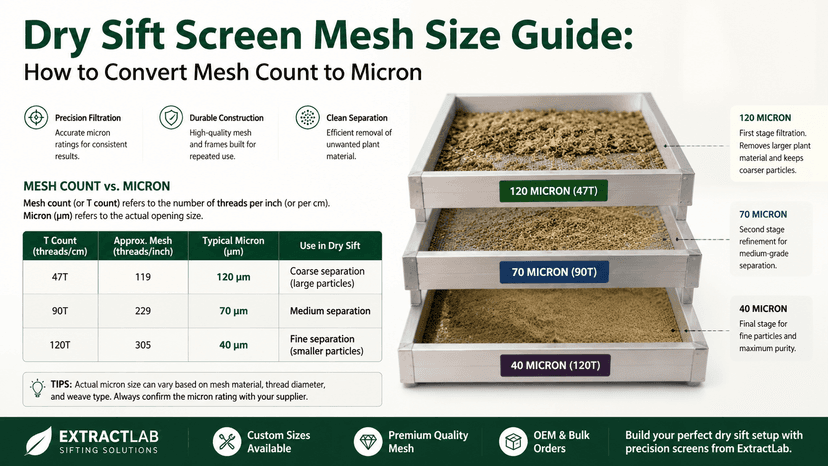
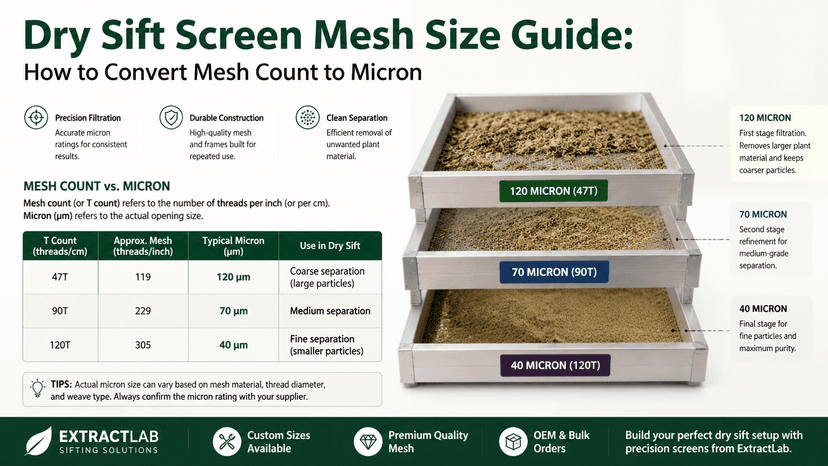
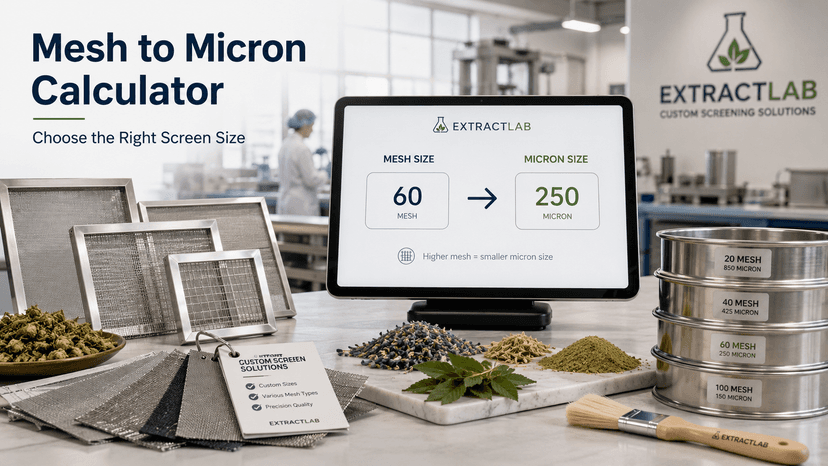
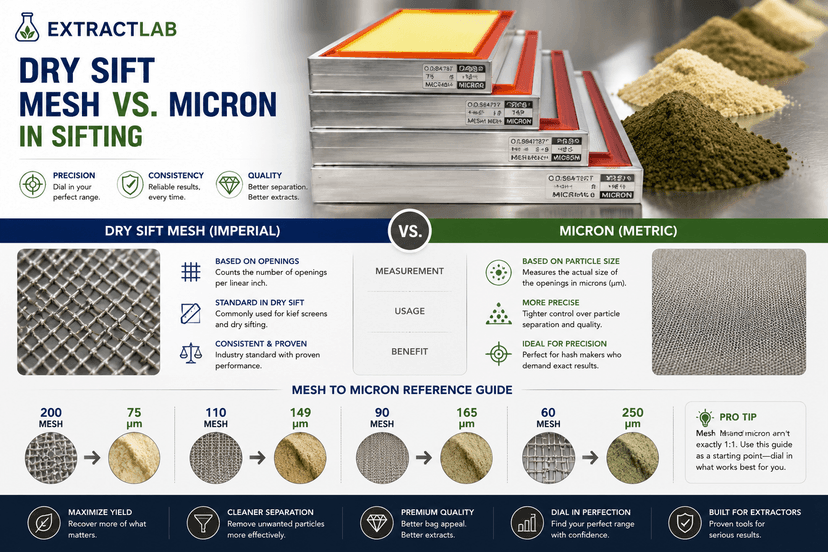
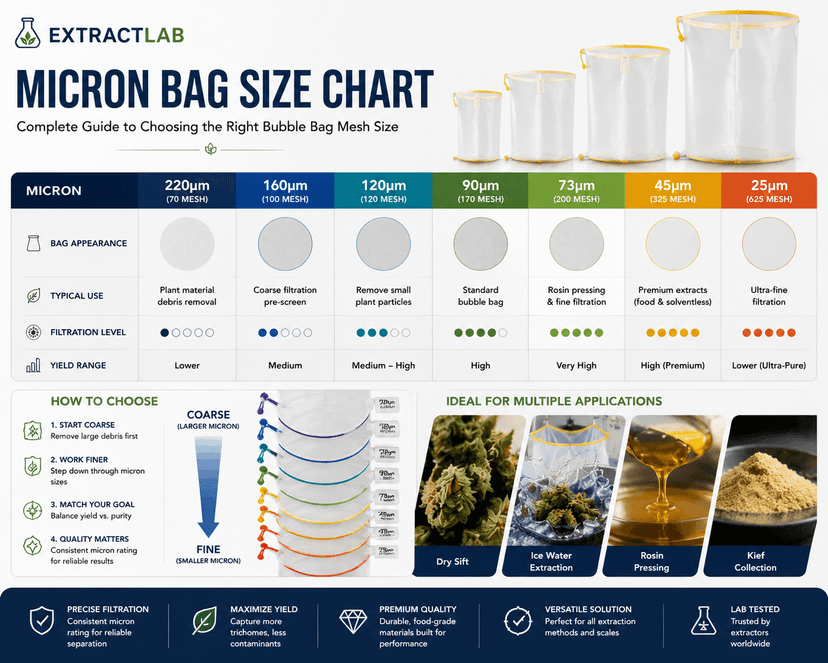
Capacity answers the question of volume, while micron rating answers the question of separation. Buyers asking what size micron bubble bags they need should focus on the target particle range, final material quality, and required filtration precision. Micron size refers to the opening size in the mesh. Larger micron screens allow larger particles to pass or collect, while smaller micron screens capture finer material.
Nylon Mesh Bubble Bags may be available in multiple micron ratings depending on the intended process. Larger micron bags are commonly used for coarse separation, while smaller micron bags provide finer filtration. A complete system often includes several micron layers so material can be separated progressively. This structure improves consistency and helps operators classify material more accurately.
For a more detailed comparison of common micron options, this guide on 25 vs 73 vs 120 micron differences explains how different mesh sizes affect separation behavior and product selection. Buyers who are new to filtration should review micron size carefully before choosing a bag set because gallon capacity alone does not determine performance.
Micron selection also influences drainage speed and cleaning requirements. Very fine mesh may improve separation precision but can drain more slowly and clog more easily if the process is not controlled. Coarser mesh drains faster but may allow more unwanted material through. This is why what size micron bubble bags to use should be decided alongside batch volume, agitation method, material condition, and desired output grade.
Nylon Mesh Construction and Operational Reliability
Nylon Mesh Bubble Bags are valued because nylon mesh offers a useful combination of strength, flexibility, and filtration consistency. In wet processing environments, the mesh must resist stretching, maintain stable openings, and support repeated rinsing. If the mesh deforms during use, the effective micron size may change, reducing separation accuracy. This is particularly important in larger systems such as 20 gallon bubble bags and 32 gallon bubble bags, where water weight and material load create additional stress.
Seam quality is another critical factor. Large bubble bags must handle lifting, draining, and repeated handling without tearing. Reinforced stitching helps maintain structural stability during heavy use. For bubble bags 5 gallon systems, durability is still important, but the physical load is easier to manage. For bubble bags 32 gallon systems, seam reinforcement becomes essential because the bags are exposed to higher mechanical force.
Food-contact safety and cleanability should also be considered. Smooth nylon mesh surfaces help reduce residue buildup and make cleaning more efficient after each cycle. Bags should be rinsed promptly, dried completely, and stored in clean conditions. Proper maintenance supports long-term reliability and helps preserve filtration performance across repeated use.
The importance of micron stability is discussed further in this article on why micron size matters in filtration. For industrial and small-batch users alike, accurate separation depends on both the stated micron rating and the material’s ability to maintain that rating under real operating conditions.
Selecting the Right Size for Long-Term Value
The most suitable Nylon Mesh Bubble Bags should match both current production needs and future workflow goals. A buyer working with test batches may start with 1 gallon bubble bags because they are compact, economical, and easy to clean. A user managing regular small-batch production may choose 5 gallon bubble bags because they fit standard buckets and offer strong versatility. A growing operation may move toward 10 gallon bubble bags or 20 gallon bubble bags to reduce repeated handling and increase output per cycle.
For higher-volume processing, 32 gallon bubble bags provide the capacity needed for larger batches, but they should be paired with strong handling procedures and durable construction. Large bubble bags are not always the best choice for every user. If batch sizes are small, oversized bags can waste water, slow setup, and make cleaning less efficient. The best size is the one that supports actual workflow requirements rather than maximum volume alone.
Buyers should also consider whether the filtered material will be used in downstream solventless processes. If the final product will be pressed, dried, or further refined, consistent filtration becomes even more important. This resource on how to make rosin provides useful context for understanding how earlier filtration decisions can influence later processing outcomes.
In practical purchasing terms, the right choice comes down to capacity, micron rating, construction quality, and process compatibility. Small bubble bags support controlled testing and low-volume use. Bubble bags for 5 gallon bucket workflows offer broad flexibility for common setups. 10 gallon bubble bags and 20 gallon bubble bags help bridge the gap between small batches and larger operations. Bubble bags 32 gallon systems provide high-volume capacity for facilities that need greater throughput.
Nylon Mesh Bubble Bags provide a scalable filtration solution when selected according to real operating needs. By understanding bubble bag sizes, clarifying what size of bubble bags fit the intended vessel, and evaluating what size micron bubble bags match the separation target, buyers can build a more reliable workflow. The right bag size improves handling efficiency, while the right micron structure supports consistent filtration. Together, these factors help operators achieve better process control, longer service life, and more predictable separation results.