In the evolving world of high-quality cannabis concentrates, rosin has officially claimed the throne as the cleanest, most flavorful extract available. Unlike BHO or other solvent-based methods that rely on potentially volatile chemicals like butane, rosin is 100% pure, potent, and safe to produce in your own kitchen.
If you’re wondering how to make rosin that rivals the premium “live” products found in top-tier dispensaries, this guide provides the professional blueprint you need. We will break down the science of heat and pressure, covering everything from the entry-level DIY hair straightener method to high-output professional rosin presses.
1. What is Rosin? (And Why Connoisseurs Demand It)
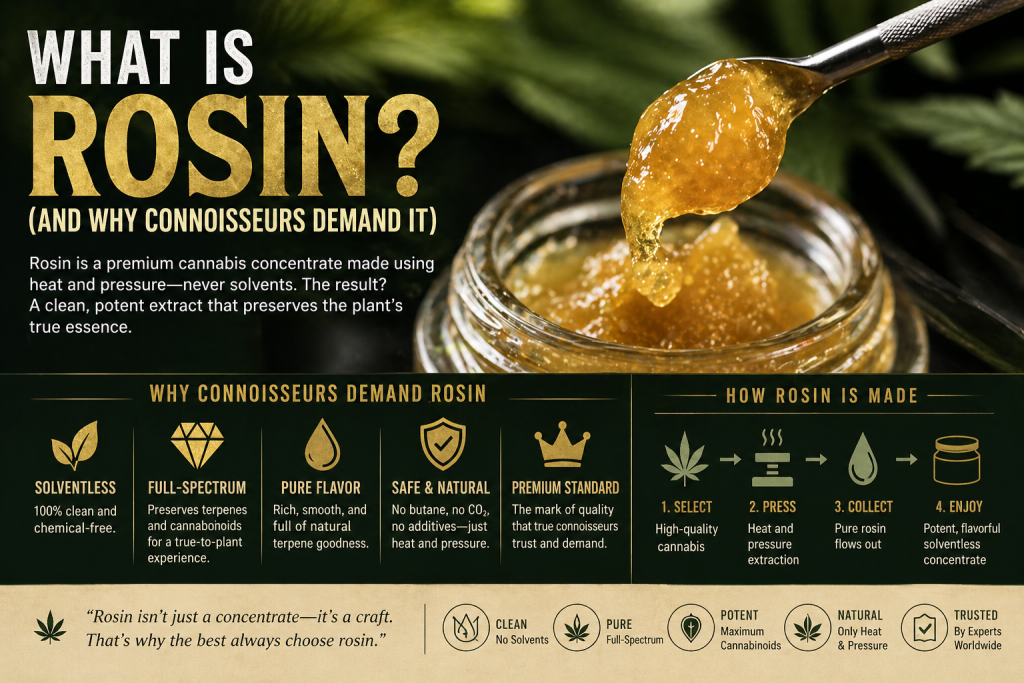
Rosin is a solventless extract created by the precise application of heat and pressure to plant material. This mechanical process separates the resinous sap (the trichomes) from the flower, kief, or hash without the use of any foreign substances.
The Solventless Advantage:
-
Pure Safety: Zero risk of residual solvents or explosive gases during production.
-
Full-Spectrum Purity: You are consuming 100% plant medicine with no thinning agents.
-
Terpene Preservation: When pressed at the right temperature, the aromatic profile is virtually identical to the living plant.
-
Instant Gratification: You can go from raw flower to a high-quality dab in under five minutes.
2. Essential Equipment: The Professional Checklist
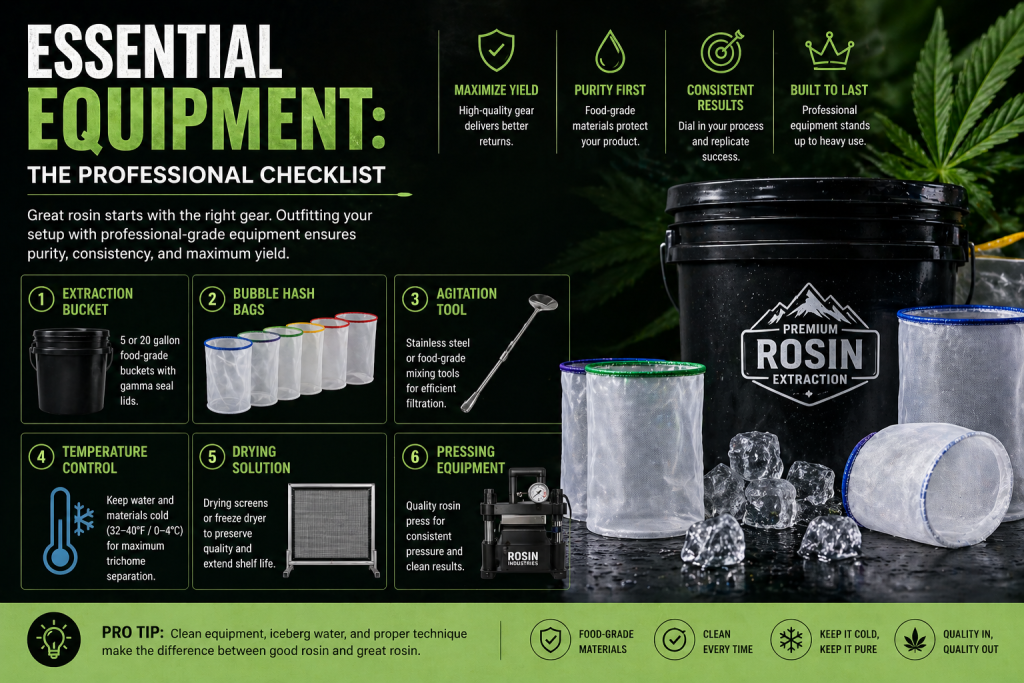
To produce high-clarity, “shatter” or “budder” consistency rosin, your hardware is just as critical as your starting material.
The Starting Material (The 55/62 Rule)
You can press flower, kief/dry sift, or bubble hash. However, always remember the golden rule: “Fire in, fire out.”
-
Expert Tip: Your material must have a relative humidity (RH) between 55% and 62%. If it’s too dry, the plant material will act as a sponge and soak up your precious yields.
The Heat Source
-
The DIY Method: A wide-plate hair straightener with digital temp control (best for small, personal batches).
-
The Pro Method: A dedicated rosin press with dual-heated plates and at least 2-10 tons of hydraulic pressure.
Collection & Filtration
-
Parchment Paper: Only use high-quality, silicone-coated parchment. Never use wax paper.
-
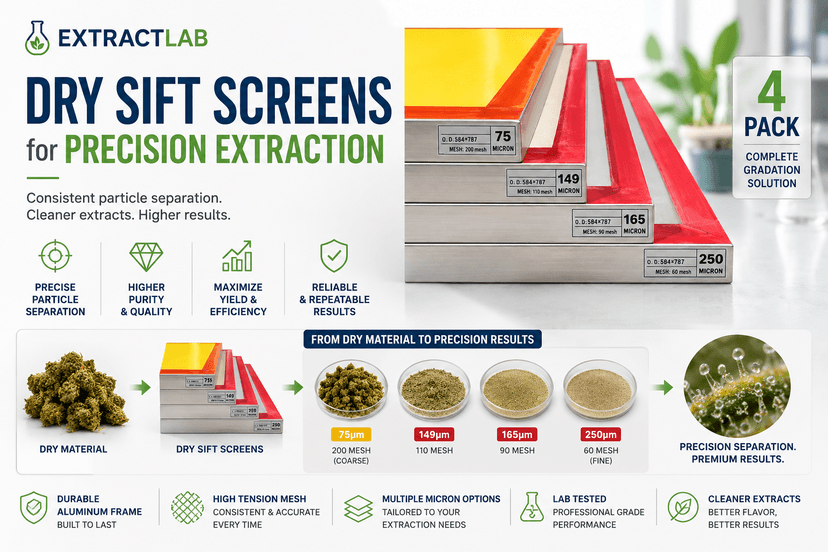
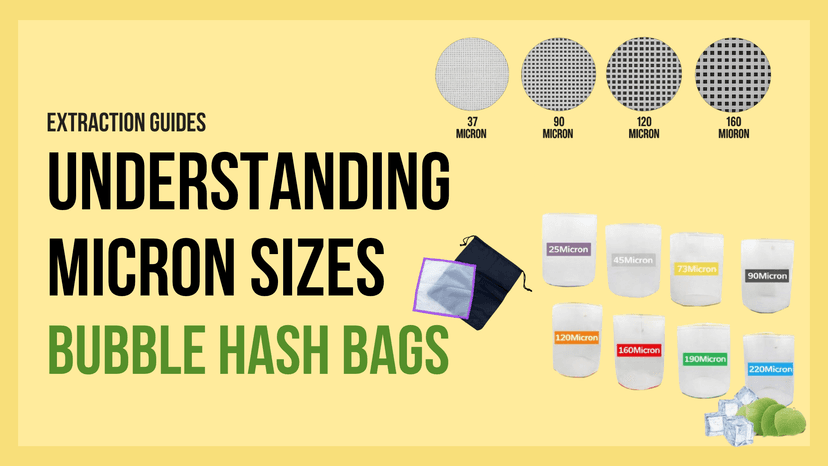
Micron Bags: Use 90-120 micron for flower; 25-37 micron for hash or kief.
3. Step-by-Step: How to Make Rosin Like a Master
Step 1: Prep Without Grinding
Do NOT grind your flower. Grinding breaks down plant matter and releases chlorophyll, leading to a dark, “grassy” tasting product. Instead, hand-break buds into small, coin-sized nugs. If using bags, we highly recommend the “Bottle Tech” method—packing the bag vertically to minimize the surface area and maximize the pressure (PSI).
Step 2: Dialing in the Temperature
This is where the magic happens.
-
Cold Pressing ($160^\circ F – 190^\circ F$): Ideal for flavor. It produces a stable, “budder” or “crumble” texture with maximum terpene retention.
-
Hot Pressing ($190^\circ F – 225^\circ F$): Ideal for yield. It produces a “shatter” or oily consistency but may sacrifice a small percentage of the flavor profile.
-
Warning: Do not exceed $235^\circ F$. Beyond this, you begin to degrade the volatile terpenes that define the strain’s effect.
Step 3: The Squeeze (Pressure Control)
Place your material in the center of the plates.
-
Pre-heat: Close the plates until they just touch the bag. Wait 30-60 seconds to allow the resin to liquefy.
-
Slow Engagement: Gradually increase pressure. Listen for a faint “sizzling” sound—this is the sound of success as the oil escapes the plant material.
-
Duration: Maintain full pressure for 60 to 180 seconds.
Step 4: The “Cold Snap” Collection
Remove the parchment immediately. To make collection easy, place the parchment on a cold plate (or a tray from the freezer) for 30 seconds. This stabilizes the oil, allowing you to “snap” it off the paper with a dabbing tool effortlessly.
4. Troubleshooting: Why Isn’t My Rosin Perfect?
-
Dark Color? This usually means your material is old (oxidized) or your temperature was too high. For that sought-after “blonde” rosin, use fresh-frozen hash or recently harvested flower.
-
Low Yield? Check your humidity. If your buds are dry, use a humidity pack (like Boveda) for 24 hours before pressing.
-
What is a “Blowout”? This is when your micron bag rips, leaking plant matter into the oil. To prevent this, apply pressure more slowly and ensure you aren’t overpacking the bag.
5. The ROI: Is a Professional Press Worth It?
While a hair straightener is a fun experiment, a professional rosin press is the only way to achieve consistency and high yields.
Why pros make the switch:
-
Precision: Digital PID controllers manage heat within 1 degree of accuracy.
-
Pressure: With 2 to 20 tons of force, you extract every available milligram of resin, which is impossible with manual force.
-
Savings: Premium rosin retails for $60-$100 per gram. With a 20% average yield, a personal press often pays for itself within processing just 2-3 ounces of material.
FAQ: Rapid Fire Answers
Q: Can I press “trim”? A: Yes, but the yield and quality are low. We recommend turning trim into bubble hash first, then pressing that for “Hash Rosin.”
Q: How do I store my rosin? A: Rosin is a “living” product. Store it in an airtight glass jar in the fridge to preserve terpenes, or the freezer for long-term storage.
Q: What is the best micron size for flower? A: A 90-micron bag is the industry gold standard for balancing purity and yield.
Final Thoughts
Learning how to make rosin is a journey of science and patience. By controlling your variables—quality, heat, and pressure—you can create a product that is cleaner and more potent than anything available commercially.
Ready to start? Explore our [Hydraulic Press Range] and [Professional Grade Filtration Bags] to elevate your extraction game today.