Selecting the right bag size is one of the first decisions in ice water extraction, and it directly affects workflow efficiency, filtration consistency, and final product handling. Many new and experienced processors ask what size bags for bubble hash are most suitable for their operation because bag capacity must match the amount of material being washed, the bucket or washer being used, and the level of separation control required. Choosing too small a set can slow production and increase labor, while oversized bags can make small-batch extraction inefficient and harder to manage.
Bubble hash bag sizes vary widely, from compact one-gallon sets for testing and personal batches to large thirty-two-gallon systems designed for higher-volume processing. The correct choice depends on batch size, wash frequency, available workspace, and whether the process is manual or machine-assisted. In addition to volume, buyers must also consider filtration ratings, especially when asking what size micron bags for bubble hash should be used. Capacity determines how much material can be processed, while micron size determines how resin and plant material are separated.
Understanding Bubble Hash Bag Sizes
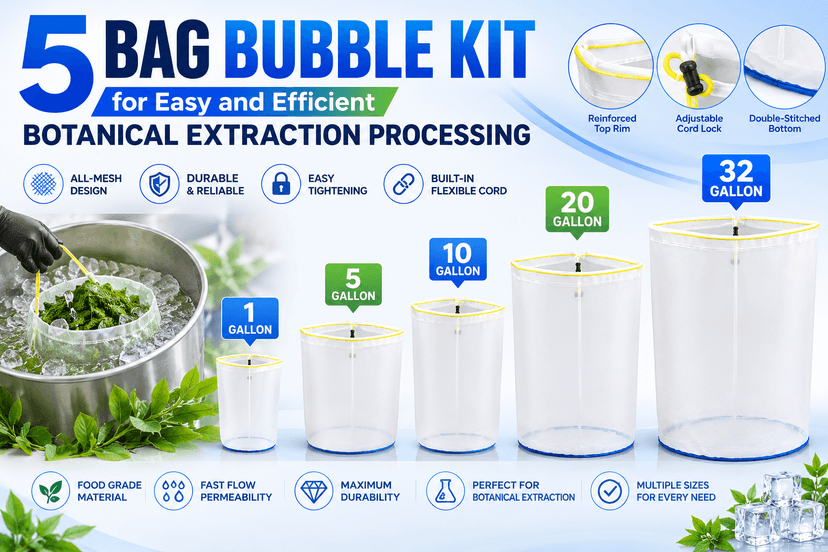
Bubble hash bag sizes are usually described by the volume of the container they are designed to fit. Common options include 1 gallon, 2 gallon, 5 gallon, 20 gallon, and 32 gallon systems. These sizes do not indicate the micron rating of the mesh. Instead, they describe the working capacity of the bucket or vessel used during extraction. This distinction is important because a processor may use a five-gallon bag set with several different micron screens, while another processor may use a thirty-two-gallon set with the same filtration sequence but much larger processing capacity.
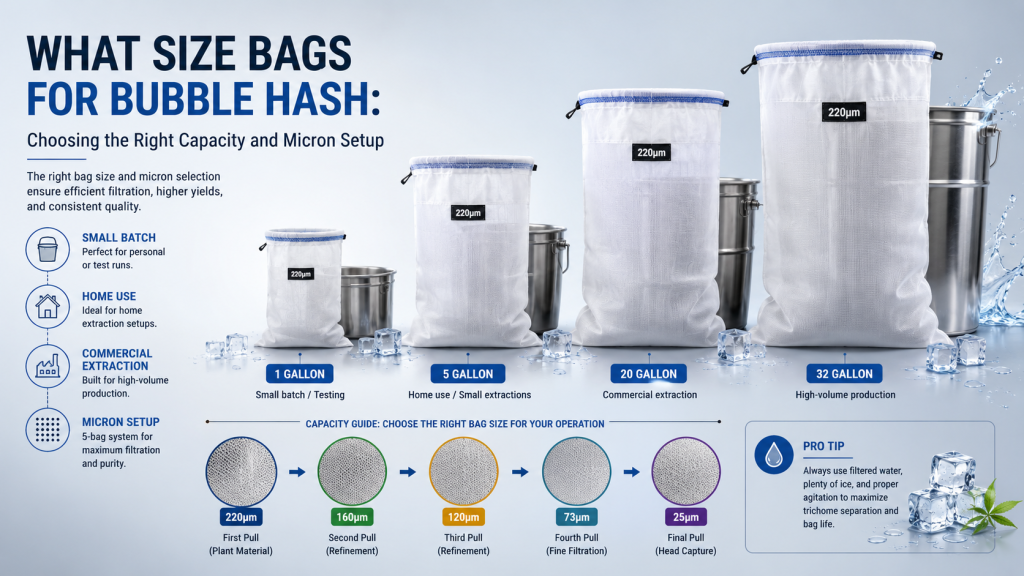
Small bubble bags for hash are often preferred by beginners, laboratories, or processors running test batches. A compact set allows users to evaluate material quality, compare strains, or refine washing methods without committing a large amount of biomass. For this reason, 1 gallon bubble hash bags are commonly used for small experimental washes, sample testing, or low-volume personal extraction. They require less water, less ice, and less workspace, making them convenient when precision is more important than total output.
2 gallon bubble hash bags offer a slightly larger working volume while still remaining manageable for small operations. They are useful when a one-gallon system is too limited but a five-gallon setup is not yet necessary. Small hash bags in the one-gallon and two-gallon range are also easier to clean, dry, and store. However, their limited capacity means they are not ideal for frequent production or larger harvest processing.
Choosing 5 Gallon Bags for Standard Extraction
For many users, bubble bags for hash 5 gallon systems are the most practical starting point. A five-gallon setup provides enough volume for meaningful production while remaining easy to handle manually. It fits standard buckets, requires manageable amounts of ice and water, and supports a wide range of micron configurations. This balance makes 5 gallon bubble bags for hash one of the most common choices for small businesses, home growers, and entry-level commercial users.
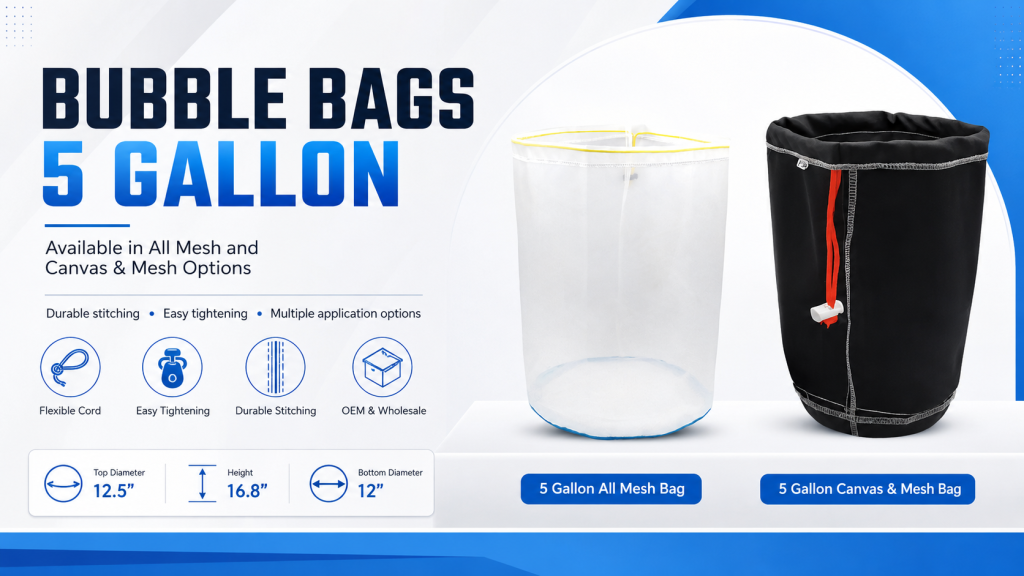
Bubble hash bags for 5 gallon bucket systems are especially popular because five-gallon buckets are widely available and easy to integrate into basic extraction workflows. The bags can be stacked inside the bucket according to micron size, allowing the wash water to pass through each filtration layer in sequence. This setup is simple, efficient, and adaptable for users who want reliable extraction without investing in larger equipment immediately.
Many buyers also search for 5 gallon bubble hash bags amazon when comparing entry-level options online. Marketplace listings can provide quick access to different bag sets, but buyers should evaluate more than price alone. Mesh durability, food-grade materials, seam reinforcement, and clear micron labeling are all important. A lower-cost five-gallon set may be suitable for occasional use, while frequent extraction requires stronger construction and more consistent filtration performance.
The five-gallon format is also a useful training size. Operators can learn agitation control, bag stacking, resin collection, and cleaning procedures without the physical burden of larger systems. For processors developing standard operating procedures, 5 gallon bubble bags for hash provide a practical balance between experimentation and repeatability.
Micron Size and Filtration Performance
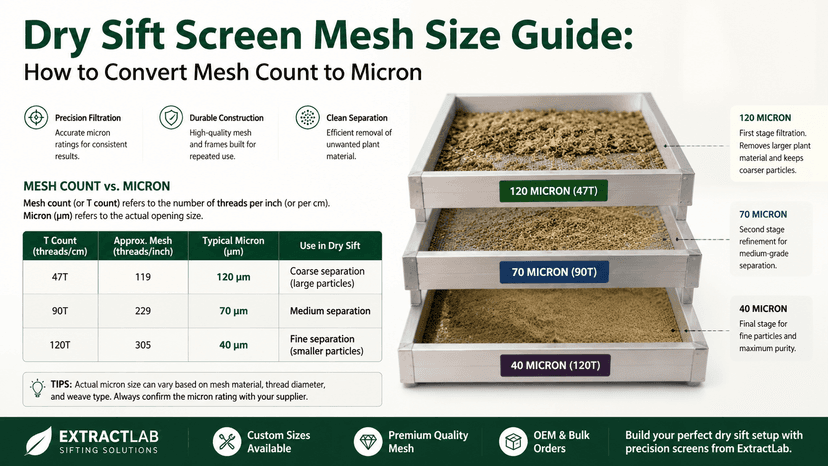
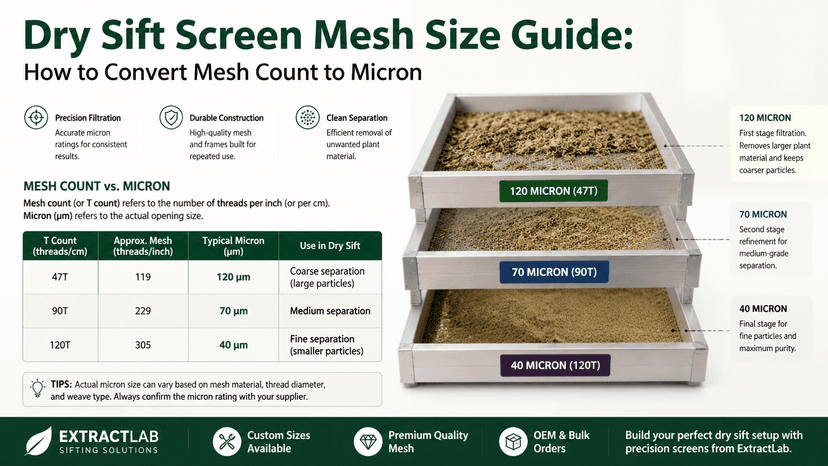
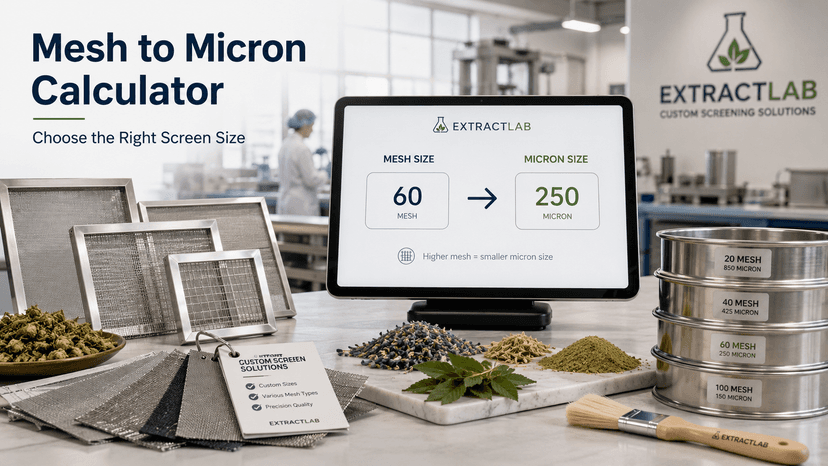
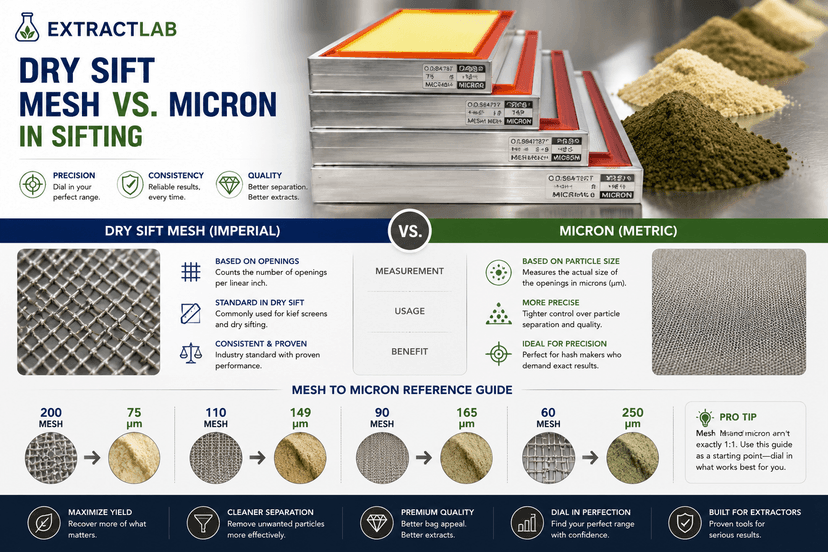
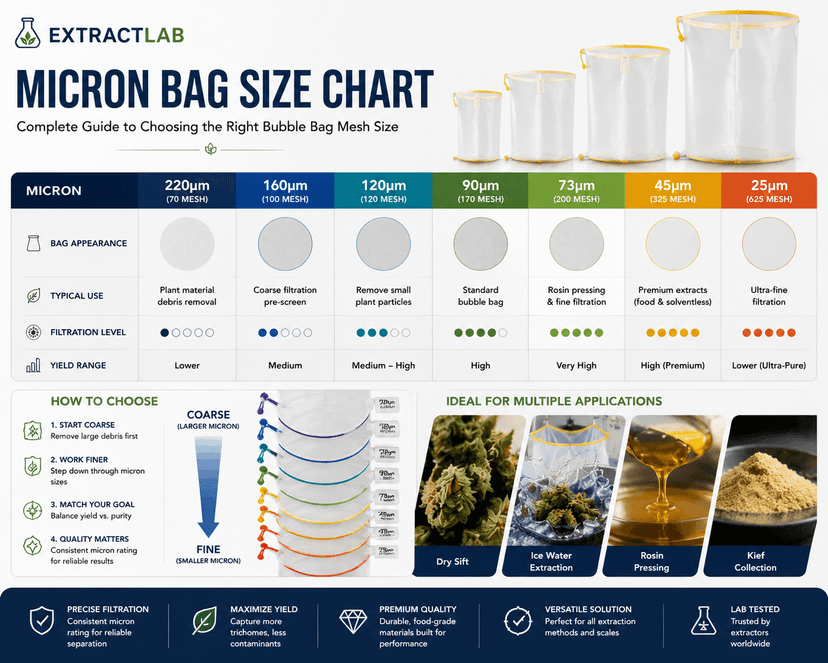
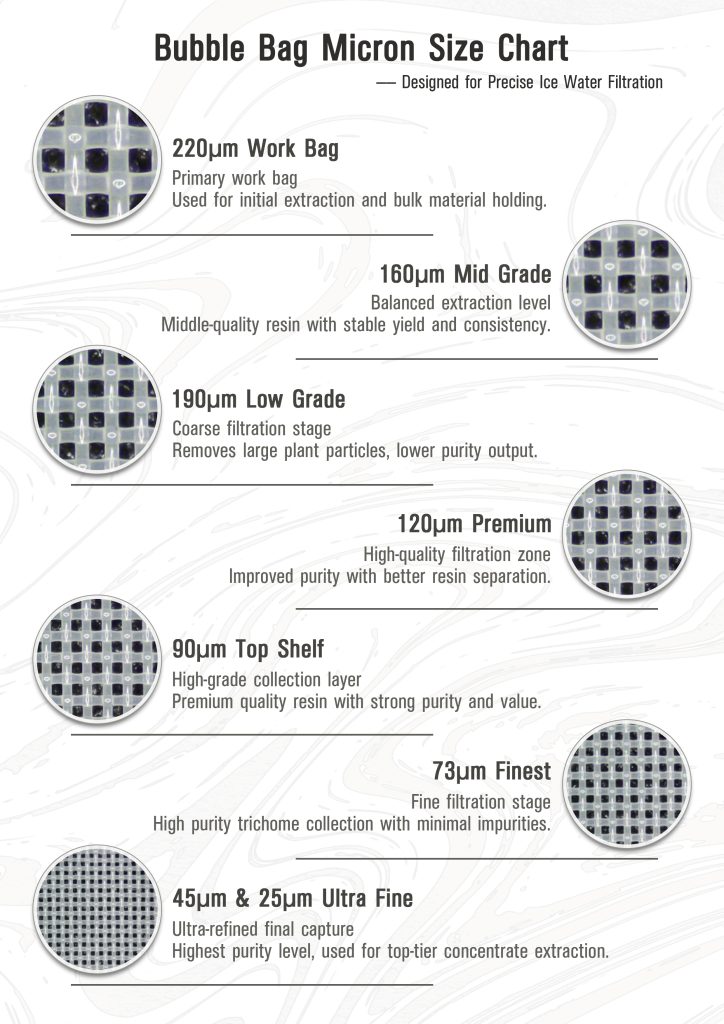
Capacity determines batch volume, but micron size determines separation quality. When users ask what size micron bags for bubble hash should be selected, they are usually referring to the mesh ratings that capture different resin particles. Common micron sizes include larger screens for removing plant material and smaller screens for collecting finer resin grades. The goal is to separate desirable trichome heads from unwanted contaminants while maintaining an efficient workflow.
A typical filtration sequence uses larger micron bags at the top and smaller micron bags below. The larger bags catch coarse material first, while the finer bags capture smaller resin particles as the water drains through the stack. This arrangement gives operators greater control over product grading. Some processors use fewer bags for speed and simplicity, while others use more filtration layers to separate different quality grades more precisely.
The most appropriate micron range depends on the source material and the desired final product. Larger micron screens may capture bigger resin heads but can also allow more plant material if the wash is too aggressive. Smaller micron screens can collect fine resin but may also retain very small particles that require careful drying and handling. This is why micron selection should be considered alongside agitation time, water temperature, and material preparation.
For buyers comparing bubble hash bag sizes, it is important to remember that the same micron configuration can exist in different capacities. A 73 micron bag in a one-gallon set performs the same filtration function as a 73 micron bag in a thirty-two-gallon set, but the working volume is different. Therefore, the best setup is not based only on micron size or only on gallon capacity. It depends on how both factors support the intended extraction process.
Small and Large Bag Options for Different Workflows
Small bubble bags for hash are suitable for users who prioritize control, testing, and low material consumption. 1 gallon bubble hash bags and 5 gallon bubble hash bags are helpful when working with limited biomass or when conducting process trials. They allow operators to compare wash times, ice ratios, and micron yields without processing a full production batch. Their compact size also makes them easier to rinse thoroughly after use, which supports better maintenance and longer service life.
However, small hash bags are not efficient for large harvests or commercial operations. Multiple small washes require more handling time, more cleaning cycles, and more labor. When production volume increases, larger systems become more practical. Large bubble bags for hash reduce the number of wash cycles needed and allow operators to process more material in a single batch. This improves throughput and can reduce labor cost per unit of finished product.
Bubble hash bags 32 gallon systems are designed for higher-volume extraction environments. They are commonly used with larger containers or compatible washing systems, allowing processors to handle substantial material loads. A thirty-two-gallon setup requires more workspace, more water, more ice, and stronger lifting practices. Because the loaded bags can become heavy, operators should pay close attention to seam strength, handle design, and overall material durability.
Large systems also require more disciplined process control. More biomass in the wash vessel means agitation must be managed carefully to avoid excessive plant breakdown. Water temperature must remain cold throughout the cycle, and drainage must be controlled to prevent clogging. For this reason, large bubble bags for hash are best suited to experienced operators or facilities with structured production procedures.
Matching Bag Size to Production Needs
The right bag size should be chosen according to actual processing requirements rather than assumed capacity. A user running occasional small batches may benefit from 1 gallon bubble hash bags or 5 gallon bubble hash bags because they reduce waste and simplify handling. A processor washing moderate amounts of material on a regular basis will usually find bubble bags for hash 5 gallon systems more efficient. A commercial operation handling larger biomass volumes may need bubble hash bags 32 gallon systems to maintain production speed.
For most buyers, five-gallon systems represent the most flexible middle ground. Bubble hash bags for 5 gallon bucket setups are easy to source, compatible with standard equipment, and suitable for learning or small-batch production. They also allow users to evaluate different micron combinations before moving into larger systems. This makes 5 gallon bubble bags for hash a practical choice for many operators who want a balance of cost efficiency and usability.
When comparing sizes, buyers should also consider cleaning and storage. Smaller bags are easier to wash, dry, and inspect after each cycle. Larger bags require more space and more careful cleaning to prevent resin buildup in the mesh. Regardless of size, bags should be rinsed promptly after use and dried completely before storage. Proper maintenance helps preserve filtration accuracy and supports long-term reliability.
Purchase channel may also influence the decision. Buyers searching 5 gallon bubble hash bags amazon may find many affordable options, while specialized suppliers may offer more durable materials, clearer micron specifications, or larger-capacity products. For professional operations, supplier consistency can be as important as initial price because repeat purchasing depends on stable quality.
Choosing the correct size for bubble hash bags requires balancing batch volume, container compatibility, micron configuration, handling effort, and long-term operating cost. Small systems support testing and precision, five-gallon systems offer broad versatility, and thirty-two-gallon systems serve higher-volume production. By understanding bubble hash bag sizes and asking what size micron bags for bubble hash match the intended process, buyers can select equipment that supports cleaner separation, better workflow efficiency, and more consistent extraction results.