Can a screen have the correct length and width yet fail to sit correctly? Yes. Overall size, squareness and flatness describe different aspects of frame geometry. A purchasing specification should identify which characteristics matter, how they will be checked and what limits the buyer and supplier have agreed.
The EXTRACTPHYTO screen range includes standard and custom configurations. This guide focuses on geometric acceptance of the frame, rather than mesh aperture selection or a general visual inspection.

Separate three requirements
Outside length and width establish footprint. Squareness concerns the relationship between adjacent sides. Flatness concerns whether the specified frame surface lies within an agreed planar limit. A frame can satisfy one requirement while failing another. Mesh tension is a separate characteristic and cannot be accepted from frame measurements.
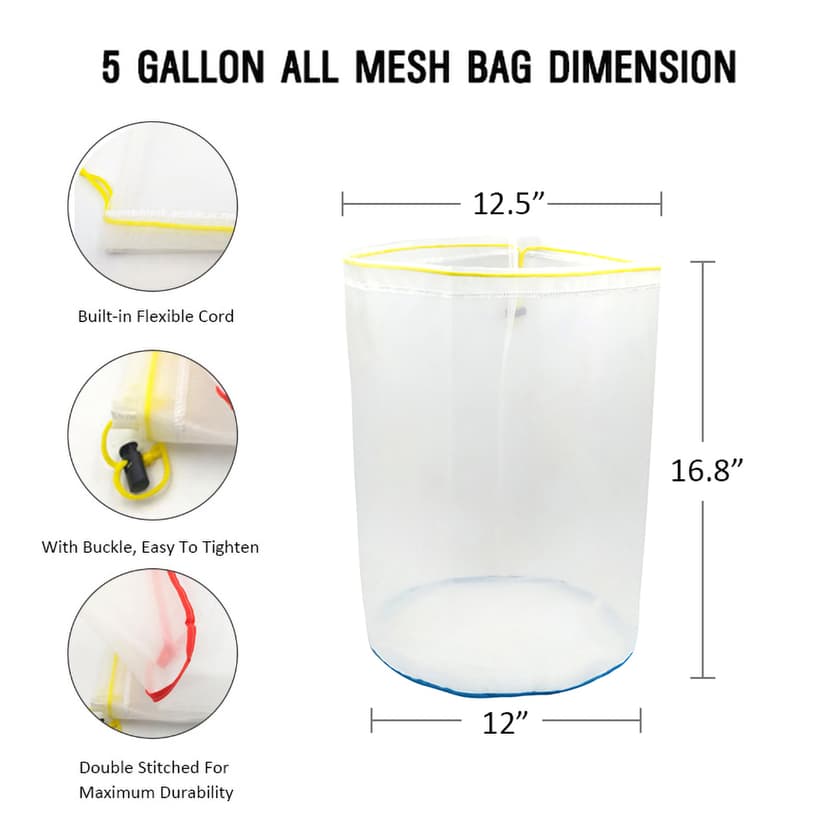
The 16 × 20 inch set and single listing supports a nominal-size shortlist, but the size name does not supply a squareness or flatness tolerance. Ask for an approved drawing rather than deriving limits from the photograph.
Define reference points before measuring diagonals
A diagonal comparison can help screen a nominally rectangular frame for distortion, provided both diagonals use equivalent, clearly identified endpoints. Rounded corners, weld profiles and inconsistent tape positions can change readings. Mark the same reference convention on the drawing and measurement record.
Record both diagonal lengths and their absolute difference. Equal diagonals alone do not establish every aspect of a rectangular frame: the sides and corner geometry must also match the design. Do not substitute a diagonal check for the full agreed drawing requirements.
Hypothetical reporting example: diagonals of 650.0 mm and 651.5 mm give a difference of 1.5 mm. This is an observation, not a pass or fail. Acceptance requires a previously agreed limit and a suitable measurement method. These numbers are not EXTRACTPHYTO product measurements or tolerances.
Define the surface for a flatness check
Identify the face that must seat on the support or mate with another frame. Specify the reference surface, support condition and measurement locations. A frame resting on a damaged table can appear to rock even when the table is the source of the problem.
Ask the supplier or inspector to propose suitable equipment and a method that does not force the frame into shape. Record whether the frame was measured free of clamps and whether attachments affect seating. Do not push the mesh or bend the frame to obtain a passing result. A photograph of a frame resting on a bench does not provide a numerical flatness result.
Use a traceable receiving record
- Order, item and drawing revision; individual frame or lot identifier.
- Inspection quantity and selection method agreed for the shipment.
- Reference points, face orientation and support condition.
- Instrument identification and relevant calibration status.
- Actual readings, agreed limits and the result for each characteristic.
- Photographs of discrepancies and the proposed disposition.
Do not average a failing frame together with passing frames to accept it. Where the method or tolerance was never agreed, hold the affected decision for clarification instead of inventing a limit after delivery.
Resolve fit failures without changing the specification silently
If a frame does not seat as expected, compare the frame and mating support separately. Record damage, reference-face differences and drawing revisions before assigning a cause. Agree replacement, rework or written acceptance of a deviation; do not repair the frame without the supplier’s instructions.
For outside dimensions and usable area, use the dimension guide. For mesh, labels and packaging, use the broader receiving checklist. Keep those records linked to the same frame identity.
Request a confirmed quotation
EXTRACTPHYTO is a China-based manufacturer. Send your purchasing requirements with your company, product reference, quantity and destination. Include this article’s title and identify the drawings or records you need confirmed before ordering. You can also email [email protected].