A wholesale dry sift screen order should match an agreed specification, not simply resemble a product photograph. Before approving a shipment, buyers need a clear way to check the mesh, frame, identification and packaging.
Use the following checklist when reviewing samples or receiving a bulk order for botanical screening and dry particle grading.
1. Start with an Approved Specification
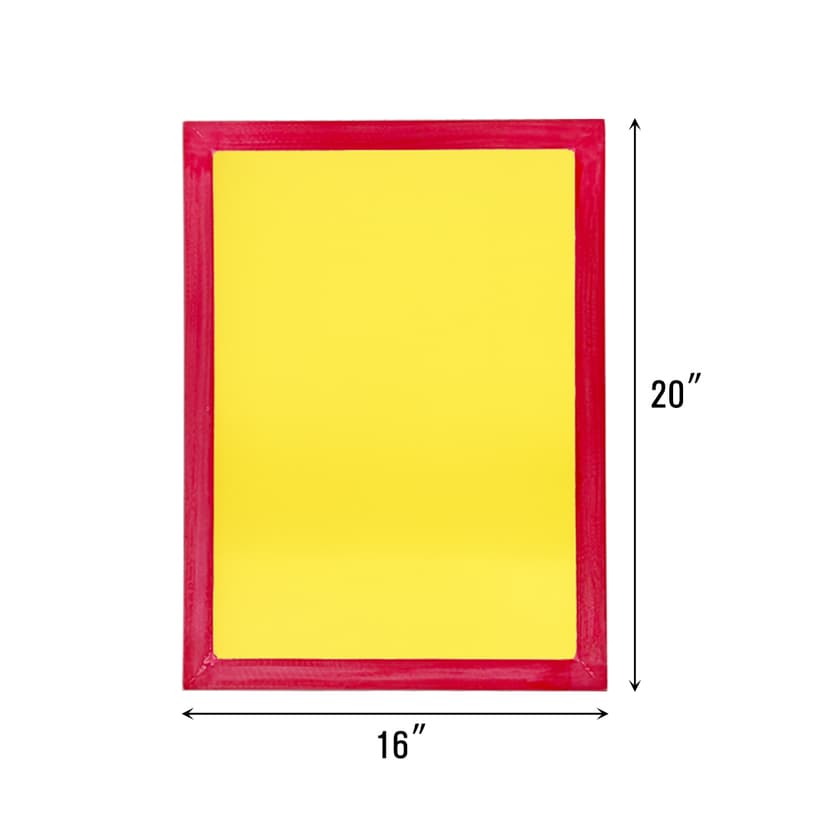
Record the frame dimensions, usable screening area, mesh material, nominal aperture in microns and number of screens per set. Specify whether dimensions refer to the outside of the frame or the clear opening inside it.
For repeat orders, keep an approved sample and a dated specification sheet. Agree any dimensional or mesh tolerances with the supplier before production.
A quotation should distinguish confirmed requirements from optional features. Custom labels, individual cartons and replacement screens should be listed separately when they affect the order.
2. Check Mesh Identification
Mesh count and micron aperture are different measurements. A mesh count alone does not fully identify the clear opening because thread diameter also affects it.
Ask the supplier to identify both the mesh construction and the nominal aperture. For products sold as sets, check that every frame carries the correct specification and that the labels match the packing list.
Do not approve aperture accuracy from a photograph alone. Where verification matters, agree the measurement method and supporting documentation before ordering.
3. Inspect the Screening Surface
Under suitable lighting, check for visible holes, damaged threads, creases and contamination. Examine the edges as well as the centre of the screen.
The surface should be consistent with the approved sample. Visible slack areas or uneven attachment deserve further inspection, but visual appearance alone does not establish a numerical tension value.
If tension is part of your purchase specification, agree a measurement method, inspection locations and acceptance range with the supplier.
4. Examine the Frame and Mesh Attachment
Check the frame for sharp edges, distortion and damage. Place it on a known flat surface to assess whether it sits as intended.
Inspect the mesh attachment around the perimeter. Look for lifting edges, gaps or other visible defects. Confirm the attachment materials are suitable for your intended use and cleaning procedure.
For stacking sets, test how the frames fit together. They should assemble consistently without forcing or rocking that interferes with handling.
5. Verify Documentation for the Intended Application
Material descriptions are not a substitute for application-specific documentation.
If your purchase requires food-contact suitability, request documents covering the relevant materials and intended conditions of use. Check what each declaration actually covers, including the mesh, coatings or attachment materials where applicable.
Avoid assuming that a certificate for one component automatically covers the complete assembled screen.
6. Inspect Labels and Packaging
Confirm that product labels, carton quantities and set contents agree with the purchase order. Private-label buyers should also review logo placement, artwork and specification markings against approved proofs.
Packaging should protect the mesh from punctures and prevent frames from rubbing during transport. Check that accessories cannot move against an exposed screening surface.
Photograph visible shipping damage before unpacking further, and retain the carton identification for any claim.
7. Agree How Defects Will Be Handled
Before shipment, establish the inspection scope and the procedure for reporting nonconforming items. For larger orders, agree a sampling plan appropriate to the order rather than relying on an informal spot check.
A useful inspection record includes:
- Purchase order and batch reference
- Screen specification and quantity inspected
- Photographs of any defects
- Measurements taken using the agreed method
- Accepted, held and rejected quantities
- Proposed replacement or corrective action
Requesting a Custom Order
EXTRACTPHYTO supplies dry sift screens with custom frame and mesh options. Start with the Dry Sift Screen range, then send your required dimensions, aperture, set configuration and packaging details through our contact page.
Confirm the final specification and inspection requirements before approving production.