Does a press display matching the set temperature prove the whole platen is at that temperature? No. A controller reading, temperature differences across the surface and changes over time answer different questions. Buyers need the measurement locations, conditions and definitions behind a temperature claim.
This guide helps procurement teams review evidence for rosin press machines. It does not prescribe extraction settings, calibration adjustments or electrical work. Any measurement on powered equipment should be arranged with the manufacturer and performed by qualified personnel.

What the catalogue establishes
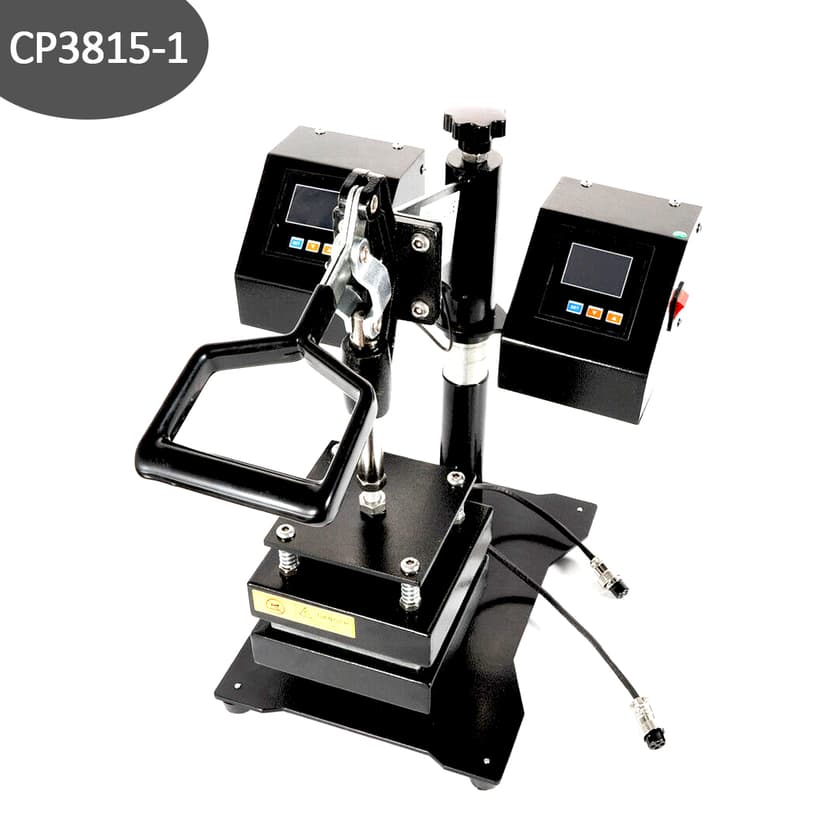
The CP3815-1 listing specifies a 12 × 12 cm plate, an LCD control display and a listed temperature range of 0–250°C. That range does not specify a temperature accuracy tolerance, a surface uniformity limit or a validated operating condition at every point in the range.
The listing also states that the model is not suitable for food processing. Confirm the intended application before evaluating thermal performance. A favorable temperature report does not remove a product-use restriction.
Separate three questions in the enquiry
| Question | Evidence needed | Insufficient evidence |
|---|---|---|
| How closely does the measured temperature match the target? | Target, independent measurement, location and agreed comparison method | Photograph of the controller alone |
| How different are temperatures across the platen? | Identified surface locations and comparable readings under defined conditions | One reading at the centre |
| How much does temperature vary over time? | Time-stamped readings at defined locations over an agreed interval | One reading at one moment |
Ask the supplier to define its terms. A statement such as “within three degrees” is incomplete without explaining whether it describes deviation from a target, a maximum difference between locations or variation over a recording period.
A worked example of reading a report
Hypothetical arithmetic only, not measured EXTRACTPHYTO performance or a recommended operating temperature: a report gives a target of 100°C and simultaneous readings of 98, 99, 100, 101 and 102°C at five identified points. The average is 100°C, while the highest-to-lowest spread is 4°C.
Reporting only the average would hide the variation between points. These five readings also do not show stability over time. Repeated readings are needed for that separate question, using the agreed test conditions and reporting method.
Do not turn this example into an acceptance tolerance. A buyer and supplier must agree requirements appropriate to the intended equipment and application. The example demonstrates why an average, a spread and a deviation are not interchangeable numbers.
Request the context behind every value
The report should identify the machine, platen, instrument and measurement locations. Ask for the instrument’s relevant calibration information, method, measurement uncertainty where provided, recording interval and the basis used to declare a pass. An instrument certificate alone does not prove that the finished machine meets an order requirement.
Record whether the platen was open or closed, the loading condition, how the measurement arrangement was established and when readings began. Results obtained under different conditions should not be compared as though only the machine changed. The manufacturer should specify an appropriate method; a product photograph does not establish one.
Connect thermal evidence to the purchase decision
For each required characteristic, retain the agreed limit, actual result, method reference and any unresolved exception. If a supplier cannot provide a particular measurement, keep it marked as unverified instead of replacing it with a marketing description.
Use the broader factory acceptance guide for machine identity, accessories, documents and dispatch approval. This temperature review is one part of that record, not proof of certification or overall application suitability.
EXTRACTPHYTO is a China-based manufacturer. Request a quotation with your company, selected product, specification, quantity and destination. Include this article’s title and identify any documents you need confirmed before ordering.