Many brands, distributors and extraction companies source rosin presses directly from China for better pricing, customization flexibility and scalable supply. Results, however, vary significantly between manufacturers.
This guide helps professional buyers evaluate suppliers more effectively by comparing order types, highlighting critical quality differences, and providing specific questions to ask before committing.
Explore the EXTRACTPHYTO rosin press machine range or request an OEM / wholesale quotation for your project.
Standard Models vs Customized OEM: Key Differences
The comparisons below describe typical purchasing patterns. Actual price, lead time, minimum order quantity and customization options depend on the model, order quantity and agreed scope. On mobile, swipe horizontally to read the tables.
| Aspect | Standard / Off-the-Shelf Models | Full OEM / Private Label Customization |
|---|---|---|
| Lead time | Usually shorter when stock or regular production is available | Usually longer; depends on changes and approval |
| Unit cost | Often lower for a comparable specification | May be higher due to tooling, branding and small-batch effects |
| Appearance & branding | Factory standard | Custom color, logo, nameplate, packaging |
| Technical changes | Limited | Plate size, force range, controller, voltage, subject to feasibility |
| Minimum order quantity | Often lower or flexible | Usually higher; confirm by customization type |
| Risk level | Fewer design changes when the design is validated | Higher if requirements and validation are unclear |
| Best for | Faster market entry, testing, distributors | Brand building, differentiated products, specific market needs |
Recommendation: Start with standard models (or light customization) for the first order. Move to deeper OEM changes only after validating performance and demand. Private-label branding does not necessarily require a full engineering redesign; distinguish those scopes in your enquiry.
Quality Comparison: What Separates Reliable Machines from Problematic Ones
| Quality Area | Strong Manufacturer Characteristics | Warning Signs to Investigate |
|---|---|---|
| Frame & structure | Rigid, stable under repeated loading | Flexing, vibration, or deformation over time |
| Heating system | Documented temperature uniformity across plates | Hot spots, slow recovery, inconsistent results |
| Temperature control | Stable control, clear display, documented performance | Drifting temperature or unreliable controller |
| Pressure delivery | Consistent and controllable, supported by testing | Difficult to repeat the same applied force |
| Safety features | Suitable safeguards for the drive type, stable base, clear instructions; emergency stop where applicable | Insufficient safeguards or unclear safety instructions |
| Documentation | Clear specs, manuals and relevant conformity documentation | Vague claims, missing or incomplete documents |
| Communication | Responsive, detailed answers, proactive clarification | Slow replies, vague answers, frequent misunderstandings |
These differences often only become obvious after the machines are in regular use. Asking the right questions early reduces the risk. A digital display, fast reply or certificate claim alone does not establish finished-machine performance; request evidence for the actual model and configuration.
Detailed Questions to Ask Before Ordering
1. Technical & Performance Questions
- What is the actual usable pressing-force range, not only the maximum rated tonnage? How is it measured or controlled?
- What plate sizes are available for this model, and can they be customized?
- How is temperature controlled, and what is the typical accuracy/stability?
- Does the controller support both °C and °F display?
- What air-supply pressure and flow are required for the exact pneumatic model, such as an LCB1015 configuration?
- How does the machine behave during continuous use, including heat recovery and stability?
Keep machine force, hydraulic or air-system pressure, and pressure on the loaded material separate in the specification. For temperature evidence, see our guide to temperature accuracy, uniformity and stability reports.
2. Customization Questions
- Which elements can be changed: plate size, voltage, color, logo, nameplate, packaging?
- Is there a cost or lead-time impact for logo printing and custom packaging?
- Can you provide mock-ups or photos of previous OEM projects that you are permitted to share?
- What is the minimum order quantity for customized versions versus standard models?
3. Quality & Production Questions
- What quality checks are performed before shipping?
- Do you conduct force/pressure and temperature testing on finished machines?
- Can you share photos or videos of the actual production and testing process?
- How do you handle defective units found after delivery?
Agree on the inspection evidence before production. Our factory acceptance guide provides a related checklist for dispatch approval.
4. Order & Logistics Questions
- What is the lead time for samples and for bulk orders?
- What are the payment terms for first orders and repeat orders?
- Which shipping methods do you recommend for machines of this weight and size?
- Do you assist with export documentation?
5. After-Sales & Support Questions
- How do you handle spare parts, such as heating elements, controllers and seals?
- What technical support is available after the machines arrive?
- Do you provide basic operating guidance or troubleshooting information?
- Can you support CE or other documentation required for my target market? Under what conditions, and for which exact model and configuration?
Asking these questions in writing creates a clear record and helps compare different suppliers objectively. Record any agreed warranty coverage, exclusions and responsibility for parts, labor and return shipping.
EXTRACTPHYTO Models Suitable for OEM & Wholesale
Manual
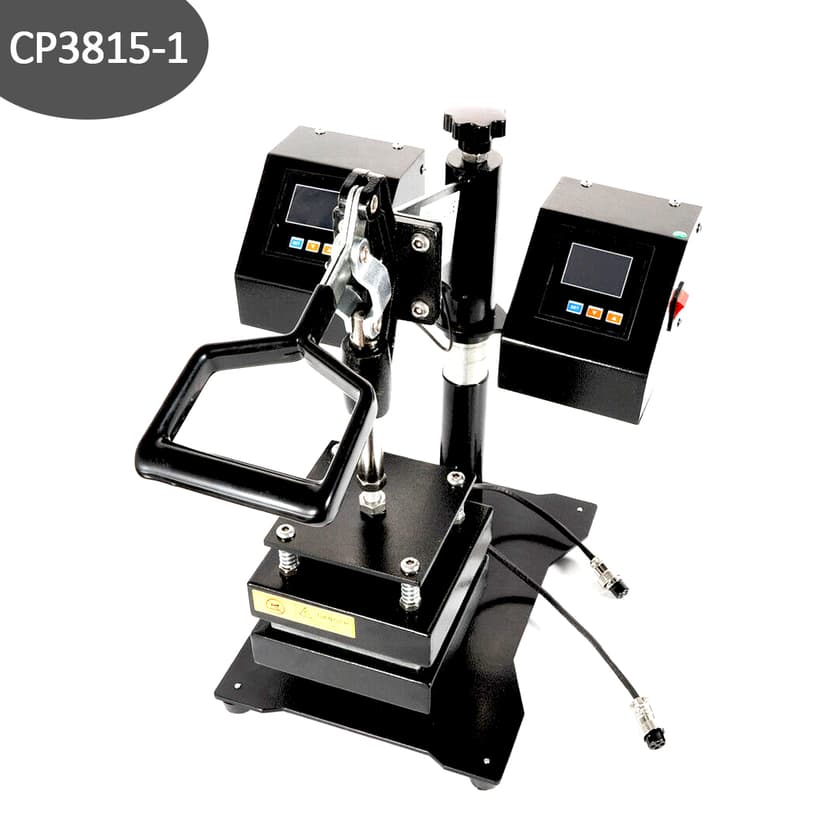
1903 Mini Portable, 1905, 1907, 2005, 2011, 2047, CP3815-1. See the full product catalogue for the individual manual models.
Hydraulic
CK220 — listed force range 0–2 ton, with 6 × 12 cm plates.
Pneumatic
LCB1015-3 — listed force range 0–2.5 ton and multiple plate-size options; LCB1015-5; FZLC-B5-2.
Electric
2113 — an electric hydraulic model.
Standard supply and branding or technical customization can be discussed for these models. Availability, engineering feasibility, minimum order quantity and delivery dates must be confirmed for the selected configuration in the quotation.
For a comparison of the drive systems, read Manual vs Hydraulic vs Pneumatic vs Electric Rosin Press.
Practical Buying Advice
- Define your core requirements first: batch size, drive-type preference, voltage and branding needs.
- Request quotations from manufacturers using the same detailed questions.
- Compare not only price, but also clarity of answers, willingness to provide technical details, and realism of lead times.
- Start with a sample or small order whenever possible.
- Confirm all specifications, appearance and packaging details in writing before mass production.
A manufacturer that answers specific questions clearly and provides consistent machines is usually more valuable than one that only offers the lowest price.
Ready to Evaluate a Configuration for Your Project?
Please share:
- Target market and required voltage
- Preferred drive type — manual, hydraulic, pneumatic or electric — or whether you need advice
- Approximate batch size or preferred plate size
- Branding and packaging requirements
- Estimated order quantity
We will respond with a suitable model recommendation and quotation based on your actual needs.