Choosing a rosin press is not just about tonnage. The drive system — how the machine applies force — affects daily workflow, physical effort and how pressure is controlled.
This guide compares four common buying categories: manual, hydraulic, pneumatic and electric. We also show which EXTRACTPHYTO rosin press models fall into each category so you can match real machines to your needs.
A useful distinction: these categories overlap. “Manual” and “electric” describe how a press is operated, while “hydraulic” and “pneumatic” describe how force is transmitted. Here, manual means a direct mechanical press, hydraulic means a manually operated hydraulic model, and electric includes the motor-driven hydraulic 2113. Electric heating is used across these categories and does not by itself make a press electrically driven.
Quick Comparison Table
On mobile, swipe horizontally to view all four categories.
| Feature | Manual | Hydraulic | Pneumatic | Electric |
|---|---|---|---|---|
| Pressure source | Hand lever / screw | Manually operated hydraulic mechanism | Air compressor and cylinders | Motor-driven mechanism; hydraulic on 2113 |
| Effort required | Operator applies mechanical force | Manual pump / handle operation | Low during powered closing | Low during motorized closing |
| Pressure consistency | Operator- and mechanism-dependent | Depends on hydraulic system and controls | Depends on regulated air supply and controls | Depends on motor, hydraulic system and controls |
| Batch capacity | Confirm for the exact machine, material and loading arrangement; drive type alone does not establish a gram rating. | |||
| Noise considerations | No drive motor or compressor; fans may run | No external compressor; fans may run | Include compressor and air-exhaust noise | Include motor, pump and fan noise |
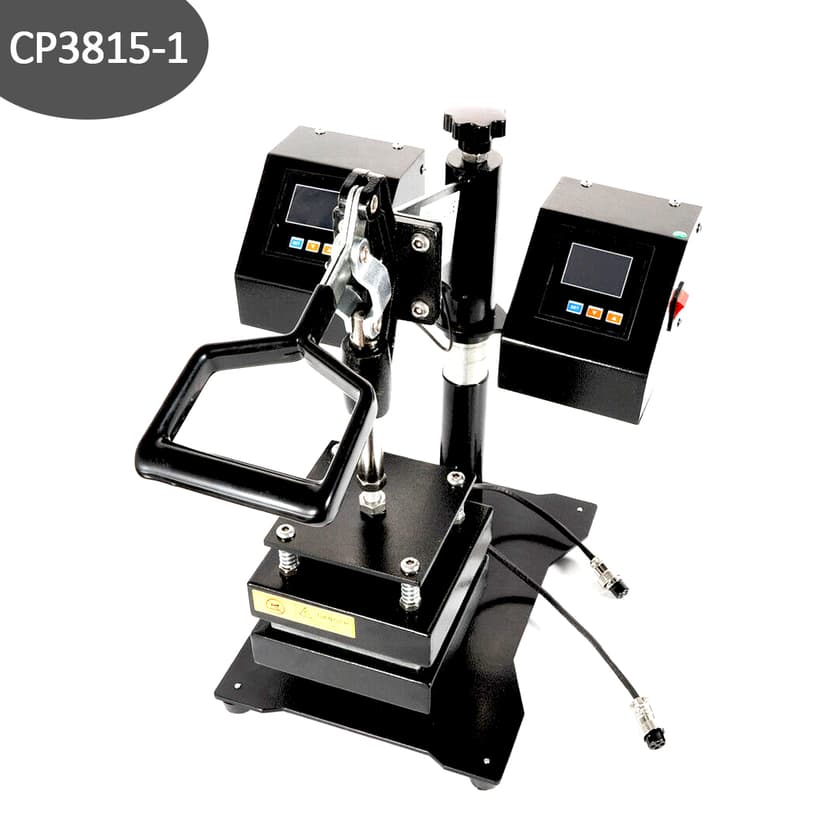
| Typical EXTRACTPHYTO models | 1903, 1905, 1907, 2005, 2011, 2047, CP3815-1 | CK220 | LCB1015-3, LCB1015-5, FZLC-B5-2 | 2113 |
| Typical buying priority | Simplicity, occasional use, compact options | Manual operation with hydraulic force multiplication | Repeated operation where compressed air is available | Motorized operation without an external compressor |
These are equipment-selection comparisons, not measured rankings of accuracy, throughput or noise. Confirm performance and the intended application for the exact configuration before ordering.
1. Manual Rosin Press
Manual presses rely on a lever, screw or hand-crank system. You supply the force yourself.
EXTRACTPHYTO Manual Models
- 1903 Mini Portable Manual Rosin Press — A compact option for buyers prioritizing portability and limited space.
- 1905 / 1907 / 2005 / 2011 / 2047 Manual Rosin Heat Press — A manual series with different configurations. Compare individual specifications in the rosin press catalogue.
- CP3815-1 Manual Rosin Heat Press — A swing-away manual option with a listed 12 × 12 cm plate for buyers who want this format without a hydraulic or pneumatic drive.
Pros
- Generally a simpler drive mechanism and a lower entry cost
- No air compressor needed
- Compact models are easier to move and store
- Direct manual control of the mechanism
Cons
- Physical effort becomes more noticeable during repeated operation
- Applied force depends on the operator and mechanism
- Practical daily capacity needs to be assessed for the specific model
Best for: first-time equipment buyers, occasional use and users prioritizing a compact setup, subject to model suitability.
2. Hydraulic Rosin Press
Hydraulic presses use a hydraulic mechanism to multiply force. A manually operated hydraulic model is an option for buyers who want hydraulic force application without an external air compressor.
EXTRACTPHYTO Hydraulic Model
CK220 Manual Hydraulic Rosin Machine
- Plate size: 6 × 12 cm (approximately 2.4″ × 4.7″)
- Listed force range: 0–2 ton
- Power: 600 W
- Voltage options: 110 V / 220 V
- Manual operation; confirm the supplied handle mechanism and configuration when ordering
Pros
- Hydraulic force multiplication
- No external air compressor required
- A practical option when manual operation is acceptable
- Potential balance of equipment cost and available force, depending on the quotation
Cons
- Still requires manual pumping or handle operation
- Repeatability depends on the hydraulic system, controls and operator
- Repeated manual operation may limit workflow compared with a suitable powered model
Best for: buyers seeking a compact manual hydraulic setup who do not require powered closing on every cycle.
3. Pneumatic Rosin Press
Pneumatic presses use compressed air to apply force. A suitable air system can reduce physical effort during repeated operation. Actual cycle speed and repeatability depend on both the press and its air supply.
EXTRACTPHYTO Pneumatic Models
LCB1015-3 Pneumatic Rosin Heat Press
- Plate options: 10 × 15 cm / 12 × 12 cm / 15 × 20 cm
- Listed force range: 0–2.5 ton
- Power: 1100 W
- Emergency stop button, LCD temperature and time control, and switchable °C/°F display
- Air-supply requirements: confirm the approved specification for the supplied configuration before selecting a compressor
The LCB1015-3 public listing contains differing air-pressure figures in its description and operating guide. Obtain the current model-specific documentation rather than treating either figure as a universal setting.
- LCB1015-5 Pneumatic Rosin Heat Press — A higher-force option in the same series, listed at 0–5 ton. Higher force does not by itself establish higher throughput.
- FZLC-B5-2 Pneumatic Rosin Press — Another pneumatic option with a different machine format; confirm dimensions, utilities and suitability for the intended application.
Pros
- Reduced physical effort during powered closing
- Regulated air supply can support repeatable force application
- A useful option for repeated daily operation
- Can fit facilities that already have suitable compressed air
Cons
- Requires a compatible air compressor or facility air supply
- Additional equipment, connections and maintenance
- Compressor noise and additional space requirements
- Air pressure alone does not establish compressor flow capacity or production rate
Best for: regular users who want powered operation and can provide a suitable air system. Review our pneumatic air-supply purchasing checklist when preparing an enquiry.
4. Electric Rosin Press
Electric-drive models use a motor to actuate the pressing mechanism. In an electric hydraulic design, the motor drives the hydraulic system. This can reduce physical effort, but motorization alone does not establish pressure accuracy or laboratory-grade performance.
EXTRACTPHYTO Electric Model
2113 Electric Rosin Press Machine — The official listing identifies a hydraulic pump and motor with a listed force range of 0–10 ton. It is an electric hydraulic model for buyers seeking motorized pressure application without an external air compressor.
Pros
- Minimal physical effort during motorized closing
- No external air compressor required for the drive
- Powered operation can support a repeatable workflow
- Suitable for buyers prioritizing operating convenience
Cons
- Generally a higher purchase cost than simpler manual models; compare actual quotations
- More electrical and hydraulic components to maintain
- Motor and pump noise still need consideration
- Accuracy, duty cycle and throughput must be confirmed rather than inferred from the drive type
Best for: buyers prioritizing powered operation and ease of use. Where precision is essential, request model-specific evidence instead of assuming that electric means more accurate.
Which Type Should You Choose?
Choose Manual — 1903, 1905, 1907, 2005, 2011, 2047 or CP3815-1 — if:
- You are buying your first machine or only operate occasionally
- You need a compact option and can accept manual effort
- Budget and a simple setup are priorities
Choose Hydraulic — CK220 — if:
- You want a manually operated hydraulic model
- The listed force and plate format match your requirements
- You prefer a setup without an external air compressor
Choose Pneumatic — LCB1015-3, LCB1015-5 or FZLC-B5-2 — if:
- You operate regularly and want to reduce manual effort
- You have, or can install, a compatible air supply
- You can accommodate the complete system’s space, noise and maintenance requirements
Choose Electric — 2113 — if:
- You want motorized operation
- Ease of use is a priority
- You prefer a drive setup without an external air compressor
Key Decision Factors Most Buyers Overlook
- Plate size and headline tonnage answer different questions. Plate dimensions describe the available surface; tonnage describes force. Pressure on the loaded material depends on force and its actual contact area, so it should not be inferred from the full platen area alone.
- Consistency needs evidence. Compare controls and documented temperature and force performance instead of assuming the highest-force machine or a particular drive type is automatically more accurate.
- Think about daily workflow. For repeated operation, consider manual effort, loading access, utilities, noise and servicing alongside the machine’s purchase price.
- Plan for future scaling. Compare the full installed cost and verified duty cycle before moving from manual or hydraulic equipment to pneumatic or electric systems. Drive type alone does not prove production capacity.
Final Recommendation
- Entry-level and occasional buyers: compare manual models such as 1903 or CP3815-1 with the CK220 hydraulic option.
- Buyers planning repeated daily operation with compressed air: compare the LCB1015-3 / LCB1015-5 pneumatic series.
- Buyers prioritizing motorized operation without an external compressor: consider the 2113 electric hydraulic model.
The right machine is the one that matches your actual requirements, operating frequency and available utilities — not simply the one with the highest number on the specification sheet.
Need Help Choosing the Right Model?
Tell us your intended application, typical batch size, expected daily operating frequency, destination voltage and whether you prefer manual, hydraulic, pneumatic or electric drive. EXTRACTPHYTO can review the suitable model and plate configuration with you. Request confirmation of capacity and any accuracy or duty-cycle requirements in the quotation.