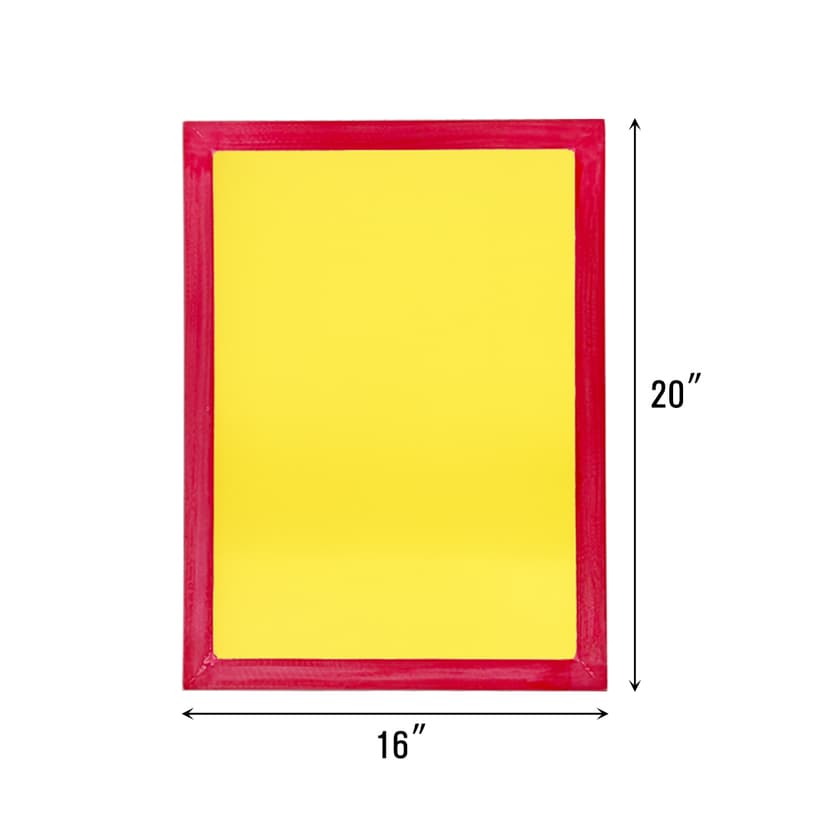
Does a 16 × 20 inch dry sift screen provide 16 × 20 inches of usable screening area? Only if the supplier explicitly defines those dimensions as the clear opening. If they describe the outside of the frame, the frame borders occupy part of that footprint. Confirm the dimensional reference before comparing quotations.
For purchasing teams, the key task is to distinguish three things: the space a screen occupies, the exposed mesh area and the dimensions that make it fit an existing stack or support. This guide explains how to put those requirements into a drawing or purchase specification.
Define each dimension before comparing sizes
| Dimension | What it describes | Purchase decision it supports |
|---|---|---|
| Outside length and width | The overall frame footprint | Bench, rack, carton and equipment fit |
| Clear opening length and width | The unobstructed opening inside the frame | Comparison of exposed screening area |
| Frame profile width | The border occupying space between the outer edge and opening | Understanding why two equal footprints can have different openings |
| Overall frame height | The vertical size of an individual frame | Storage, support and assembly clearance |
| Stacking or locating features | Lips, recesses or other mating details, if present | Compatibility with an existing frame or support |
A drawing should label the reference faces and use one unit system consistently. If both inches and millimetres appear, identify the controlling dimension and agree how rounded conversions will be treated. Do not infer profile dimensions from a photograph.
Calculate area only from confirmed clear-opening measurements
For a rectangular opening, clear area equals clear length multiplied by clear width. If a frame has equal-width borders on opposite sides, subtract those borders from each outside dimension before calculating the opening. For an irregular profile, use the clear dimensions on the approved drawing instead.
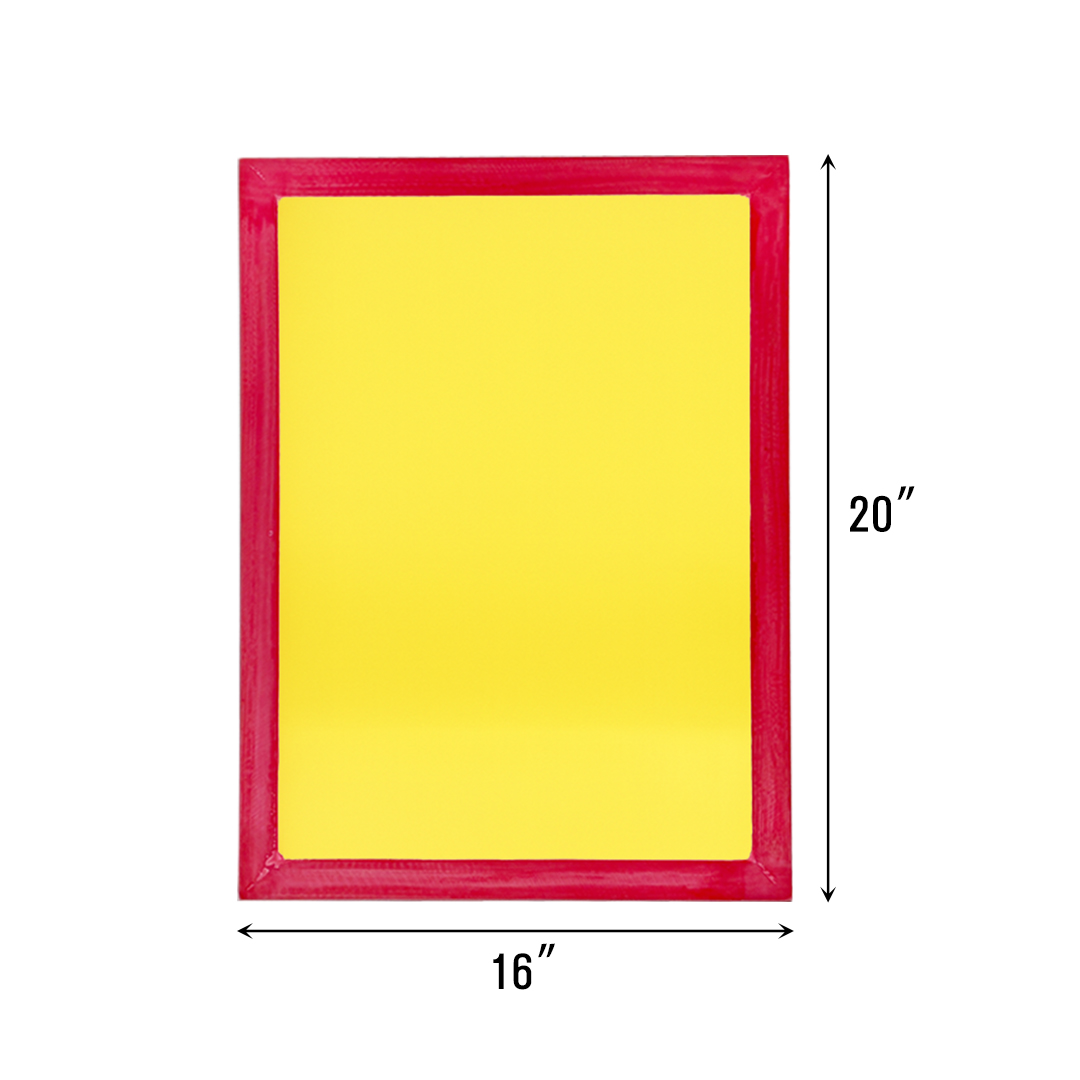
Illustrative example, not an EXTRACTPHYTO product specification: suppose a frame measures 16 × 20 inches externally and each border occupies 1 inch. Its clear opening would be 14 × 18 inches, or 252 square inches. The outside footprint is 320 square inches. Treating that footprint as usable area would overstate the clear area by 68 square inches.
This calculation describes geometry only. Clear opening area is also different from the mesh’s open-area percentage, which concerns the openings between threads. Neither figure alone establishes production capacity or separation performance.
Use catalogue sizes as a shortlist
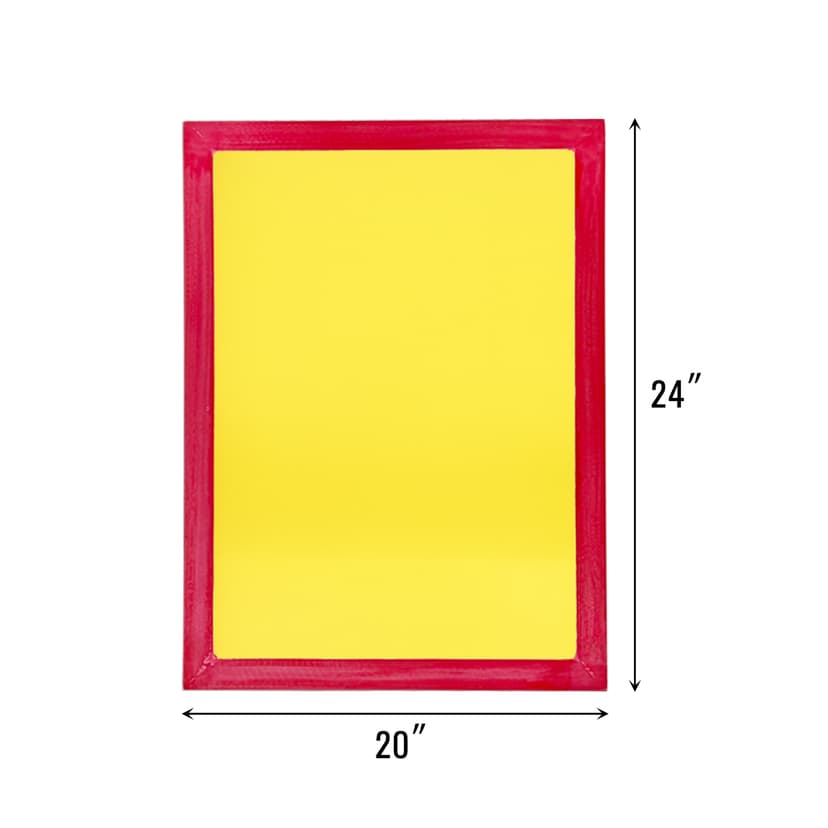
The EXTRACTPHYTO Dry Sift Screen range lists aluminum frames with polyester mesh in 10 × 14, 12 × 16, 16 × 20, 20 × 24 and 25 × 36 inch sizes. Custom frame dimensions and individual or set orders are available.
Start with the listed size closest to your space requirement, then request the dimensional drawing for that version. For example, the 16 × 20 inch screen listing is a product reference to discuss with the supplier; it does not eliminate the need to confirm the clear opening and frame height.
When comparing two quotations, place the outside dimensions and clear dimensions in separate columns. A lower price for a nominally identical screen is not a complete comparison if the frames provide different usable areas or do not fit the same support.
Check stack compatibility before ordering replacements
Two frames with matching outside length and width can still differ in profile height, corner shape or locating features. Send the supplier a drawing or sample reference for the existing assembly. Identify whether the new frame must sit on a support, stack with another frame or fit inside a rack.
Ask for a sample fit check when introducing a new profile. Record whether the components seat as intended and whether the assembled stack clears the available storage space. Do not specify an interference fit or clearance from guesswork; agree the relevant dimensions and tolerances with the supplier.
Keep frame compatibility separate from mesh selection. An identical frame can carry a different mesh specification. Conversely, matching micron labels do not make two frame designs mechanically interchangeable.
Create a dimension schedule for the quotation
A practical request can use the following fields. Leave unconfirmed values marked “supplier to confirm” rather than filling them with estimates.
- Existing frame or equipment reference and drawing revision
- Required outside length, width and overall height
- Required clear opening length and width
- Profile and stacking details, including reference photographs
- Units, controlling dimensions and tolerances to be agreed
- Mesh material and nominal aperture as a separate specification
- Quantity of individual frames or the contents of each set
- Sample approval, labels, packaging and destination requirements
After dimensions are approved, use the wholesale screen inspection checklist for the broader receiving checks. The dimension schedule establishes what you ordered; inspection checks whether the delivery matches that agreement.
Questions buyers ask
Does a larger frame guarantee proportionally higher output?
No. The dimensional calculation establishes available area, not throughput. Any capacity commitment needs an agreed application and evaluation method.
Can I reorder using only the old size label?
Use the approved drawing or supplier part reference as well. A nominal size does not fully describe profile, clear opening or stack fit.
Request a dimensioned screen quotation
EXTRACTPHYTO is a China-based manufacturer supporting standard and custom dry sift screens. Compare the screen sizes and ordering options, then send your dimension schedule and existing-frame details. Ask for the final drawing and specification to be confirmed before approving production.