Does a pressure gauge reading tell you the force delivered by a rosin press? Only when the measured quantity and the machine-specific relationship are known. A gauge marked in bar or psi normally reports fluid pressure at a measurement point. A tonnage claim describes force. Neither alone establishes pressure on the material.
When comparing EXTRACTPHYTO rosin press machines, ask what is measured, what is calculated and what is only a rated maximum. This is a quotation and verification guide, not a recommended operating-pressure chart.
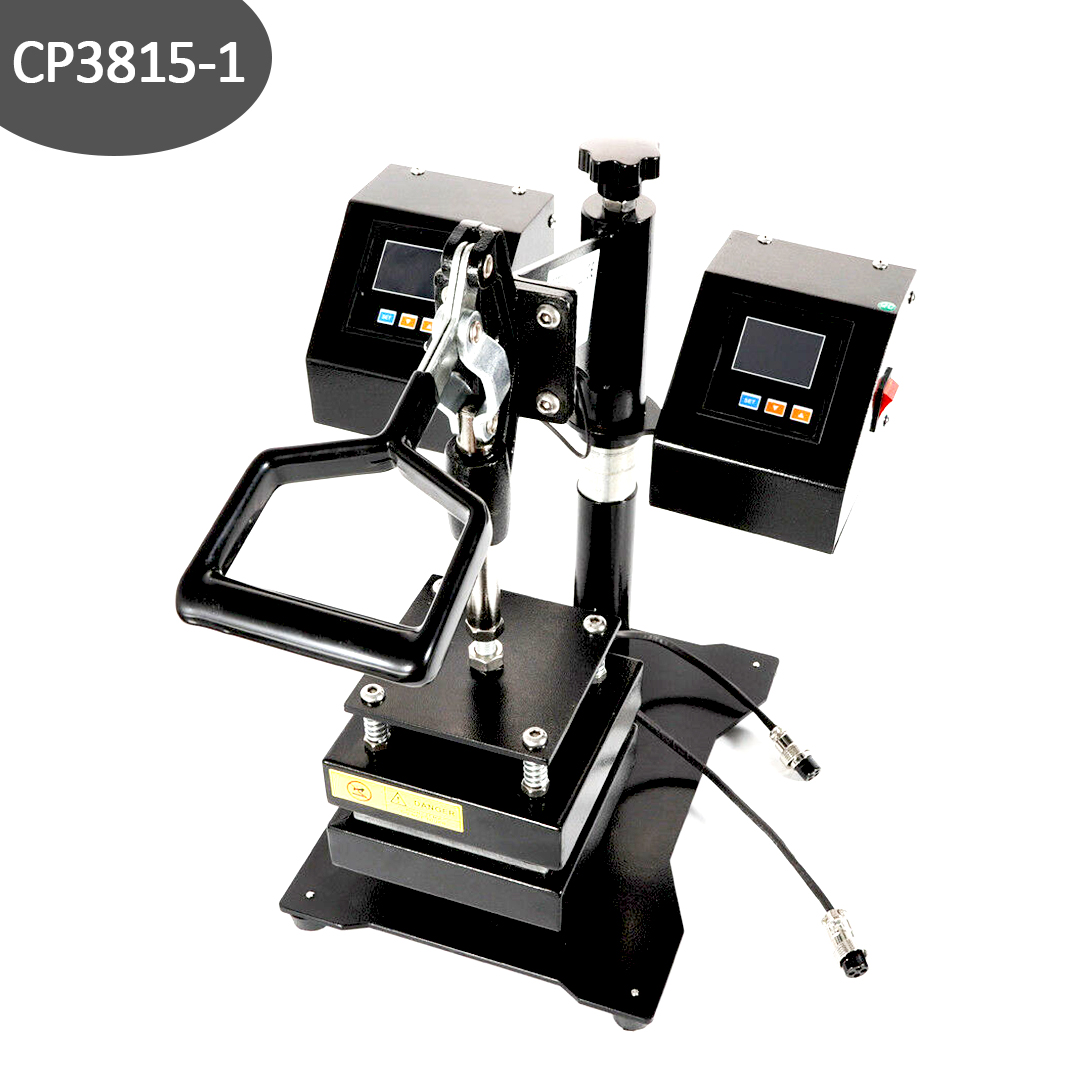
Separate the three quantities
System pressure is the pressure of a fluid, such as hydraulic oil or compressed air, at a defined location. Press force is the resulting force delivered through the machine mechanism. Contact pressure relates force to the effective loaded contact area. Keep these quantities in separate quotation fields.
A pneumatic supply-pressure reading is not automatically the pressure inside every actuator chamber. A hydraulic line-pressure reading is not automatically a direct measurement of platen force. Ask where the gauge or sensor is connected and what the supplier intends its display to represent.
Why a universal gauge-to-tonnage table is unreliable
For a simple ideal fluid actuator, force is related to pressure difference and effective piston area. Actual output also depends on the relevant geometry, mechanical arrangement and losses. The usable area may differ between directions of travel. A machine with a different cylinder or linkage cannot inherit another model’s conversion table merely because the gauges have the same units.
Request a manufacturer-approved relationship for the exact machine version if force estimation is needed. Prefer a documented force verification when your purchase requires evidence of actual output. Do not calculate operating limits from a cylinder dimension guessed from photographs.
Read catalogue tonnage carefully
The CK220 manual hydraulic listing states a 0–2 Ton range and 6 × 12 cm plates. Those catalogue values do not establish a gauge specification, a calibration certificate or a verified force at each handle position. Confirm what “Ton” means in the quotation and distinguish the rated range from measured acceptance results.
A full plate area is also not automatically the effective material contact area. Dividing an advertised maximum force by the entire plate area does not tell a buyer the actual pressure experienced by a smaller load. No operating setting should be inferred from that calculation.
Questions to put in the purchase specification
- Is a gauge or force display included in this exact configuration?
- What quantity does it display, in which units, and at what measurement location?
- Is the displayed force directly sensed or calculated from another measurement?
- What range, resolution and accuracy information can be supplied?
- Does any calibration or verification record identify the instrument and ordered unit?
- What test method and acceptance limits are proposed for a force requirement?
- Which configuration changes invalidate the supplied conversion or verification?
Display resolution and measurement accuracy are different. More decimal places do not prove a more accurate machine. A generic certificate for an unrelated instrument does not verify the press being shipped.
Compare quotations on equivalent evidence
Consider two hypothetical offers: one lists maximum tonnage only; another includes a model-specific force report at agreed test points. The second contains more evidence, but still needs review for unit identity, test conditions and acceptance limits. It is not automatically proof of better performance over every operating condition.
Ask a supplier to fill the missing evidence fields before ranking offers. Keep “not supplied,” “not applicable” and “awaiting confirmation” distinct. If a gauge is optional, record its price and configuration impact separately rather than assuming the catalogue machine includes it.
Verification belongs with the approved procedure
Any force testing should be performed by qualified personnel using suitable equipment and the manufacturer’s procedure. Do not add gauges, change relief settings or place improvised measuring devices between platens to create a test. Purchasing evidence should clarify the machine’s capabilities without changing its operating limits.
Link this request to the factory acceptance evidence plan. For differences between drive systems, see the manual, hydraulic, pneumatic and electric comparison. Drive type alone is not a calibration or accuracy guarantee.
Request a configuration review
EXTRACTPHYTO is a China-based manufacturer. Send your purchasing requirements with your company, product reference, quantity and destination. Include the title of this guide and the documents you need confirmed. You can also email [email protected]. Availability, testing scope and custom requirements must be confirmed in the quotation.