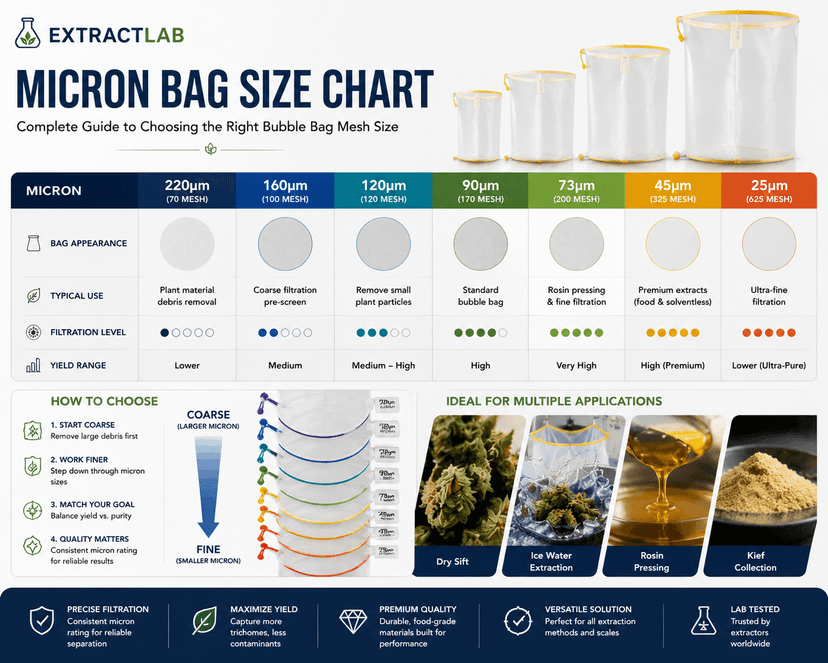
Introduction: Choosing the Best Micron Size Matters
Selecting the best micron size is one of the most important decisions in any filtration process. Whether you are working with liquids, air, or plant-based materials, the wrong choice can lead to poor efficiency, clogged systems, or loss of valuable material.
This filtration micron guide will help you understand how micron sizes work and how to choose the right level for your specific application.
What Does Micron Size Mean?
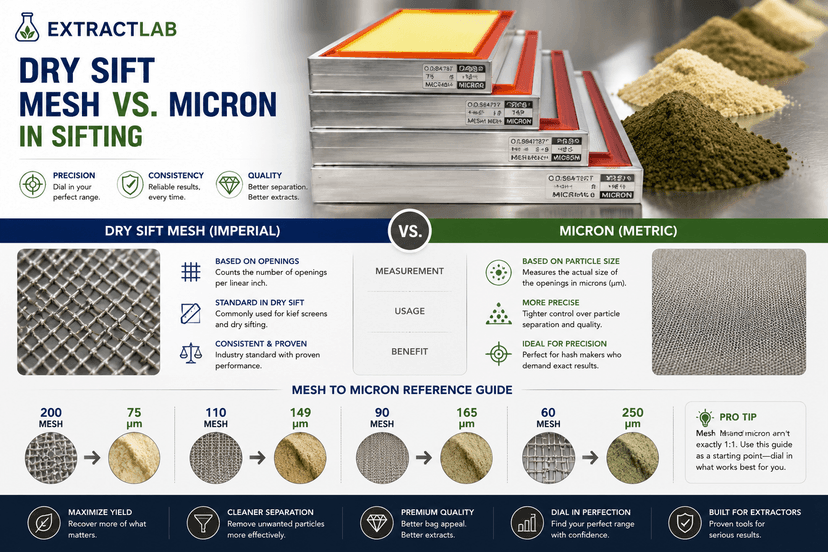
A micron (µm) measures the size of particles that a filter can capture. The smaller the micron number, the finer the filtration.
- Larger micron → higher flow rate
- Smaller micron → finer filtration
Understanding this basic principle is essential before selecting the best micron size for your system
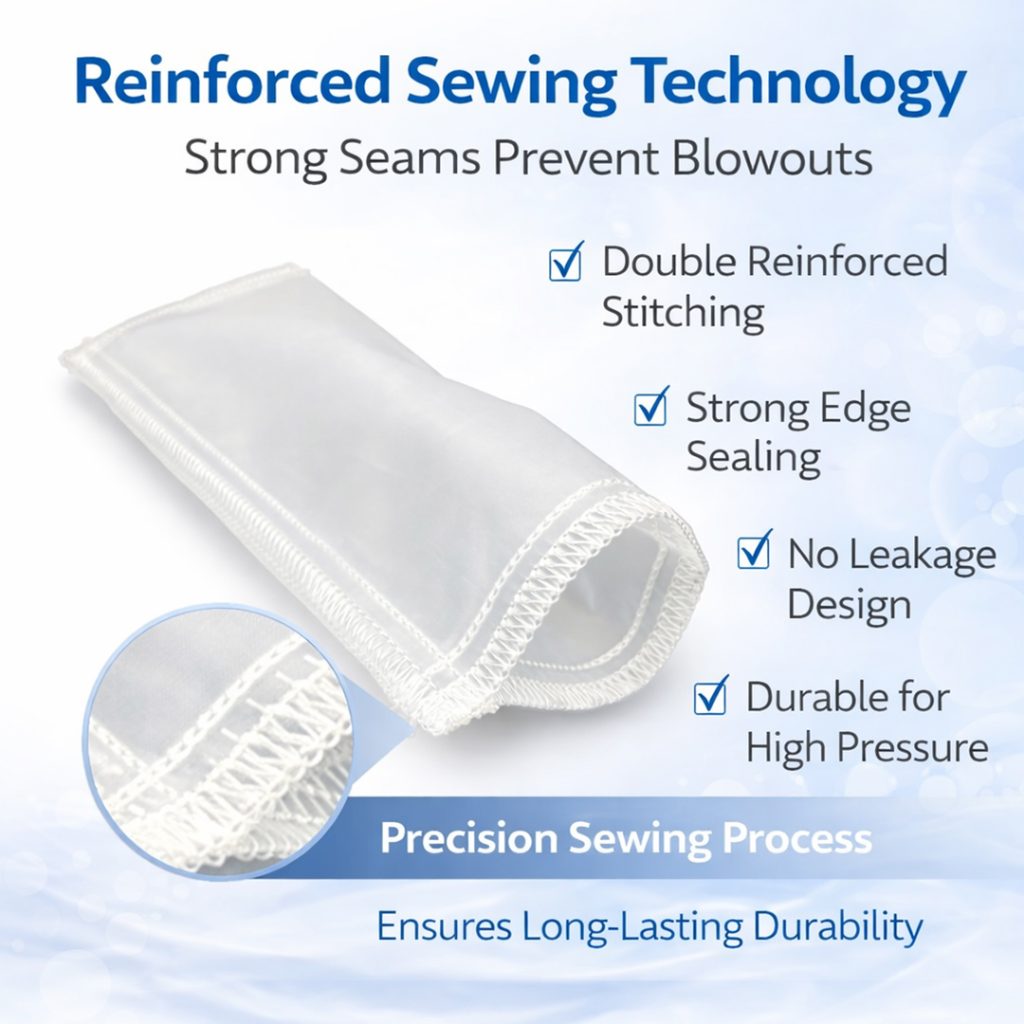
Using a reliable filtration micron guide ensures you make decisions based on actual particle sizes rather than guesswork.
Best Micron Size for Different Filtration Needs
There is no single best micron size for all situations. The right choice depends on your filtration goal:
1. Coarse Filtration (50–150 micron)
- Removes large particles
- Maintains high flow rate
- Ideal as a first-stage filter
2. Medium Filtration (20–50 micron)
- Balanced performance
- Suitable for general filtration
- Common in many industrial applications
3. Fine Filtration (1–20 micron)
- Captures very small particles
- Provides higher purity
- Slower flow rate
👉 This structured filtration micron guide helps you match your needs with the correct micron range.
How to Choose the Best Micron Size
To determine the best micron size, follow these steps:
Step 1: Identify the Particle Size
Understand what you want to remove from your material.
Step 2: Choose a Slightly Smaller Micron
Select a filter that can capture particles just below your target size.
Step 3: Consider Flow Rate
Finer filtration improves purity but reduces speed.
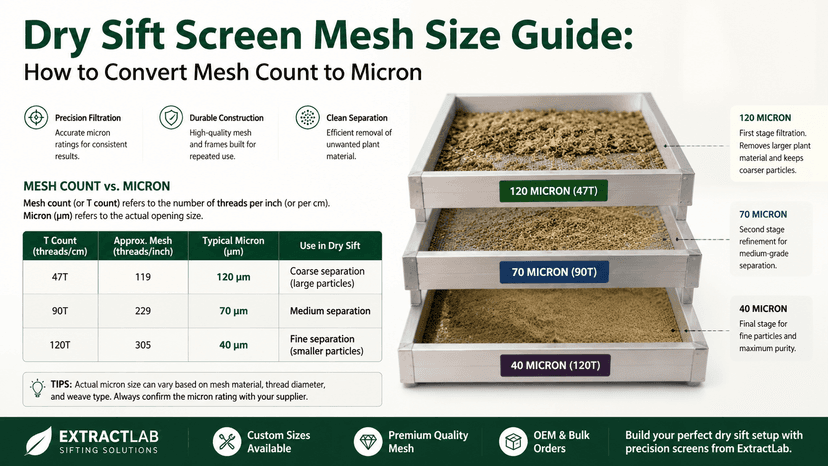
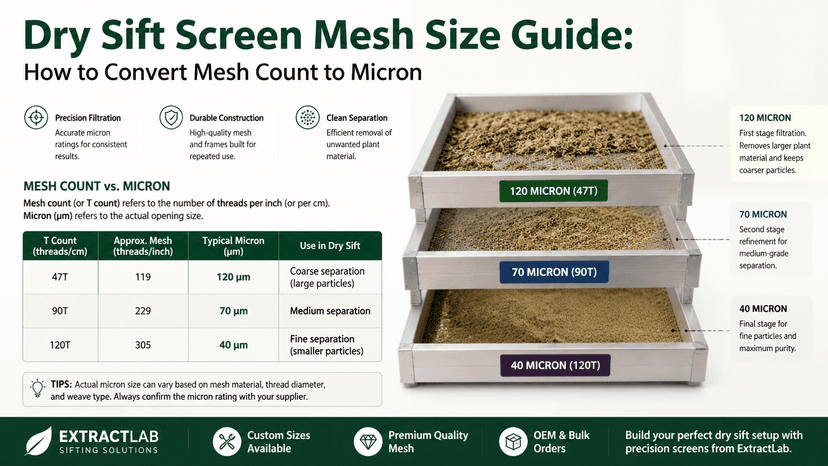
Step 4: Use Multi-Stage Filtration
Combining multiple micron levels often produces better results.
👉 A complete filtration micron guide always recommends staged filtration for higher efficiency.
Why Multi-Stage Filtration Works Better
Instead of relying on a single filter, professionals often use multiple layers:
- First stage → removes large particles
- Second stage → refines the material
- Final stage → achieves fine filtration
This approach improves both performance and consistency.
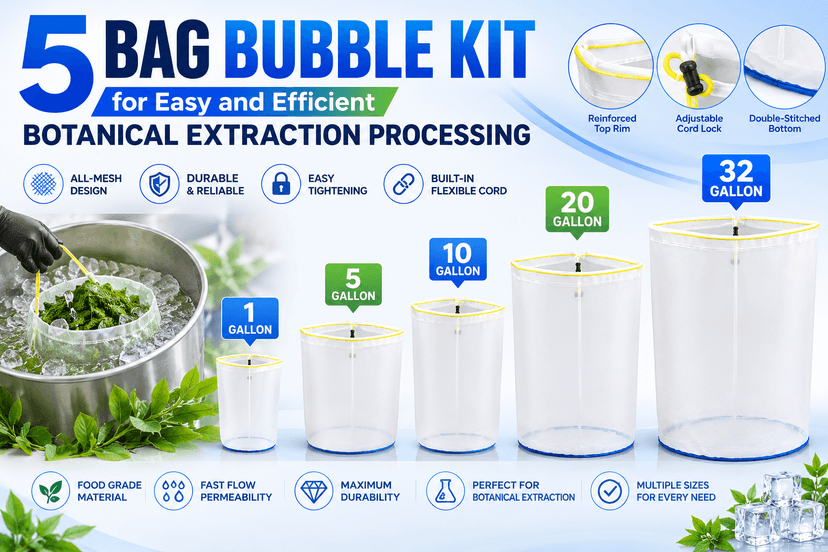
👉 For example, using high-quality
→ Filter Bags
in different micron ratings allows you to build an efficient multi-stage system.
Common Mistakes When Choosing Micron Size
Even with a clear filtration micron guide, users often make these mistakes:
- Choosing the smallest micron size unnecessarily
- Ignoring flow rate requirements
- Using only one filtration stage
- Not matching micron size to material type
Avoiding these mistakes helps you find the true best micron size for your process.
How Micron Size Affects Filtration Efficiency
The relationship between micron size and performance is critical:
- Smaller micron → higher precision, lower flow
- Larger micron → higher flow, lower precision
Balancing these two factors is the key takeaway from any effective filtration micron guide.
Conclusion: Find the Right Balance
There is no universal best micron size—only the right size for your specific application.
By following a structured filtration micron guide, understanding your material, and using multi-stage filtration, you can significantly improve both efficiency and final results.
Combining different filtration levels with reliable
→ Filter Bags
is the most practical and effective approach.