Does a flat-looking rosin press plate prove that both platens close parallel? No. Surface flatness, the relative orientation of the two working faces, and pressure distribution are different characteristics. A catalogue photograph or plate-size statement does not verify all three.
This procurement guide helps buyers discuss platen geometry when comparing rosin press machines. It provides questions for the manufacturer and qualified inspector, not instructions for adjusting a press or placing gauges between moving plates.

Separate the three questions
Flatness concerns the shape of an individual working surface. Parallelism concerns its orientation relative to a defined reference, such as the opposing working face. Pressure distribution concerns how contact force is distributed under specified conditions. Two individually flat faces can be tilted relative to one another.
Likewise, a geometry report alone does not establish an even contact-pressure map. The loaded arrangement, contact area and behavior of the assembly also matter. Ask the supplier to identify which characteristic a claim or report actually addresses instead of treating “even pressing” as a single verified specification.
Use catalogue dimensions as a starting point
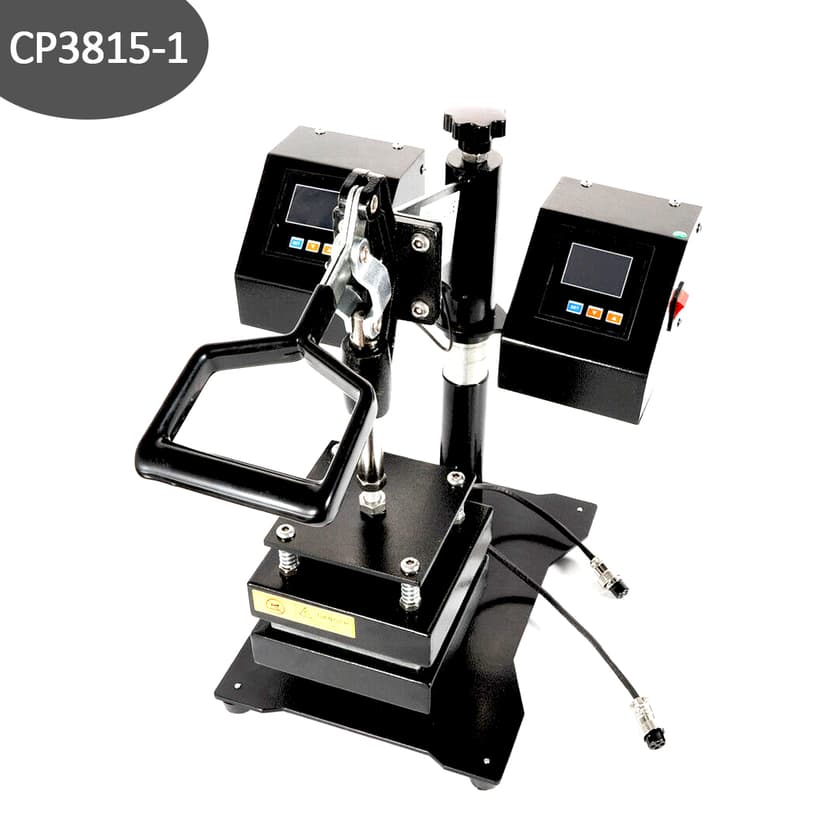
The CP3815-1 listing states 12 × 12 cm plates and 110V/220V options. These describe size and electrical choices; they do not supply a numerical platen-parallelism tolerance. The listing also states that the model is not suitable for food processing. Confirm the intended application and exact ordered configuration with the supplier before purchase.
Do not infer a geometry tolerance from plate dimensions, the force range or a general uniform-heating statement. Temperature uniformity is a separate measurement, addressed in the temperature report guide.
Define the condition of the inspection
A useful request specifies whether the proposed check concerns an unpowered cold machine, a particular closed position or a manufacturer-approved loaded condition. Ask whether heating or loading changes the geometry that matters to your requirement. Do not compare reports taken under different conditions as though they measure the same thing.
Have the manufacturer propose the reference faces, measurement locations, appropriate instruments and acceptance criteria. Where an intermediate reference object is used, its geometry and placement become part of the method. Record those details rather than relying on an unexplained single gap reading.
Ask for a report that can be traced to the machine
- Model, ordered configuration and unit identifier where available.
- Drawing or requirement revision and the characteristic being checked.
- Machine condition, inspection position and any agreed loading conditions.
- Reference surfaces and a location sketch for the recorded readings.
- Instrument identification and relevant calibration information.
- Results, acceptance decision and any measurement limitations.
A video can show which unit is being inspected and where a reading is taken. It does not replace the method or establish resolution that the camera cannot show. A measurement from another unit is not an acceptance result for the machine you are buying.
Keep geometry evidence separate from contact evidence
If the purchase requires contact-pressure evidence, agree a suitable manufacturer-approved evaluation with qualified personnel. Ask how the result relates to the defined contact arrangement and what it cannot establish. Do not use a contact impression as an automatic substitute for a dimensional parallelism measurement.
This article supplies no test load, operating temperature or pass/fail gap. Those values must come from the agreed specification and a suitable procedure. Avoid improvised tests involving hands, loose instruments or unauthorized adjustments inside the closing area.
Resolve discrepancies before dispatch
Record the failed requirement, observations and proposed correction. Ask who is authorized to adjust the machine and what must be rechecked afterward. Retain the original and repeat results. A supplier statement that the press “looks straight” does not close a failed agreed measurement.
Include the geometry check in the broader factory acceptance plan. Factory evidence should also remain separate from receiving inspection after transport. If there is no agreed parallelism requirement or evidence, describe it as unverified rather than advertising a tolerance.
Request an order-specific quotation
EXTRACTPHYTO is a China-based manufacturer of botanical separation equipment. Send your purchasing requirements with your company, quantity, destination and the model, intended application and platen-geometry evidence you require. Confirm available configurations, inspection scope, costs and lead time in writing.
Alternatively, email [email protected]. Proposed checks in this guide must be agreed for your order; they are not a claim that every order includes a particular report or test.