What should you keep when a bulk rosin filter bag order is accepted? Alongside the specification and inspection record, consider retaining identified, unused samples from the received delivery. A sample can help investigate a later difference, but only if its origin, selection and handling are documented.
This guide covers retaining evidence after purchasing rosin filter bags. It is separate from initial supplier qualification and does not prescribe pressing settings, sample quantities or a universal retention period.

Distinguish the approved reference from the delivered sample
An approved reference represents the version agreed before supply. A retained delivery sample represents an identified item taken from a received shipment. They may serve different purposes and should not share an ambiguous label such as “good bag.” Keep their identities separate and link both to the written specification.
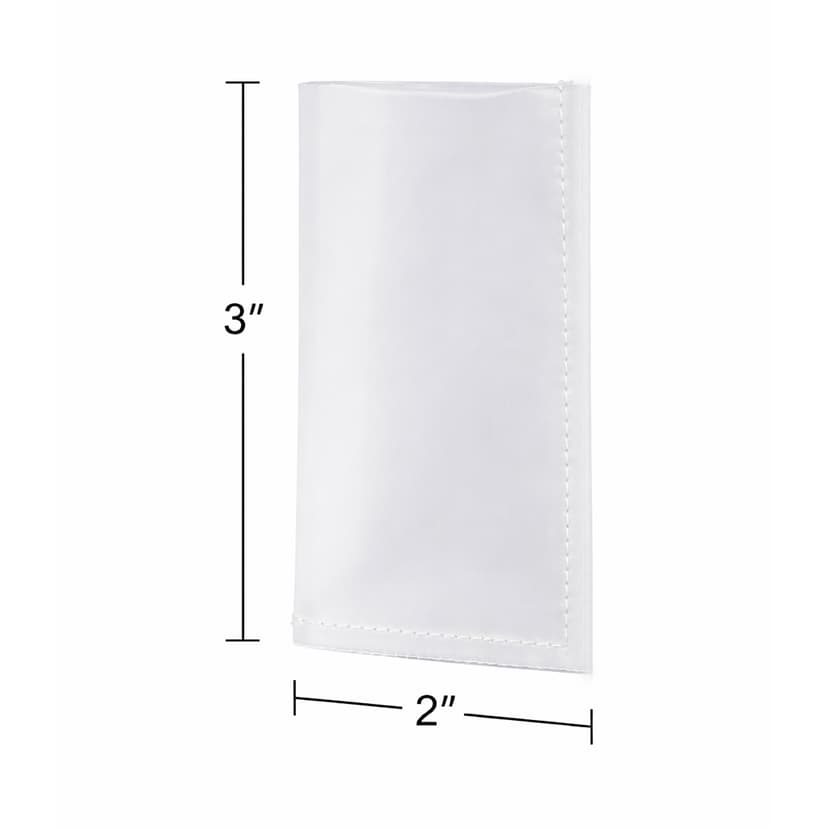
The 2 × 3 inch listing identifies nylon mesh with 25, 37, 73, 90, 120 and 160 micron options, plus sewn and welded choices. A sample labeled only “2 × 3” leaves important characteristics unresolved. Record the selected micron and construction as confirmed for the order.
Agree what the retained samples are intended to answer
A reference for visual appearance has a different purpose from material reserved for a later destructive test. Decide which comparisons you may need, who will perform them and whether enough unused material must remain after an examination. Obtain agreement before promising that a single sample will resolve every possible dispute.
Selection matters. Record where the samples came from and how they were chosen; do not quietly select only the neatest-looking bags. A retained sample does not prove that the entire delivery met the specification. Keep it alongside the receiving inspection scope and results, including any concessions.
Give every sample a usable identity
- Buyer SKU and supplier item reference.
- Approved size, micron and joint construction.
- Specification revision and purchase order.
- Delivery date, carton or pack source, and supplier lot reference if available.
- Sample identifier, quantity and selection method.
- Initial condition, packaging, storage location and responsible person.
- Every removal, examination, transfer or return.
Photograph the sample and original labeling at receipt. Keep identifiers on the protective package rather than marking the mesh in a way that could affect a later examination. If the supplier cannot provide a production lot, preserve the delivery and pack references and state the traceability limit.
Protect the evidence and define retention separately
Keep retained samples unused and identifiable, following confirmed supplier storage guidance. Record damage, exposure, opening or other changes to their condition. Do not wash or press the only retained sample and then treat it as evidence of the original supplied state.
The unused-stock storage guide covers storage questions. A business decision to retain a sample for a particular period is not a validated shelf-life claim. Agree the retention period with the relevant quality and commercial teams based on the investigation needs and purchase terms; this article supplies no universal duration.
Use a comparison record when a later batch differs
Identify the earlier retained sample, later sample and applicable specification before comparing them. Record the same measurement definitions and methods for both. Distinguish a visible observation from a measured deviation, and distinguish both from a proven cause of a problem.
For example, a later bag may appear narrower than the reference. That observation should prompt a defined dimensional comparison and review of sample condition. It does not by itself establish that the whole new batch is undersized or that the supplier changed the design.
If testing consumes or changes a sample, agree the method and keep a record of which item was used. Where supplier and buyer retain separate samples, record whether they came from the same identified delivery; do not assume that two samples with the same product name are matched evidence.
Close the investigation in writing
Record the finding, unresolved limitations, affected stock and agreed disposition. Keep the original observations when a replacement or concession is approved. For a change of supplier, use the supplier equivalence guide instead of assuming a retained sample alone constitutes a complete qualification specification.
Include retention requirements in your enquiry
EXTRACTPHYTO is a China-based manufacturer. Request a quotation with your company, selected bag specification, quantity, destination and required sample records, or email [email protected]. Include this guide’s title. Confirm whether buyer and supplier retained samples can be arranged, how they will be identified and any additional cost; these arrangements are not assumed to be included in every order.