Do unused rosin filter bags have a fixed shelf life? The reviewed EXTRACTPHYTO product listing does not state a universal shelf-life period. Buyers should request written storage and shelf-life information for the exact bag and packaging combination instead of assigning an expiry date from the material name alone.
This guide concerns unused inventory held by distributors and purchasing teams. It does not cover cleaning, drying or reusing bags after processing. Its purpose is to keep stored stock identifiable and to make decisions about uncertain stock explicit.

Start with the exact bag and packaging
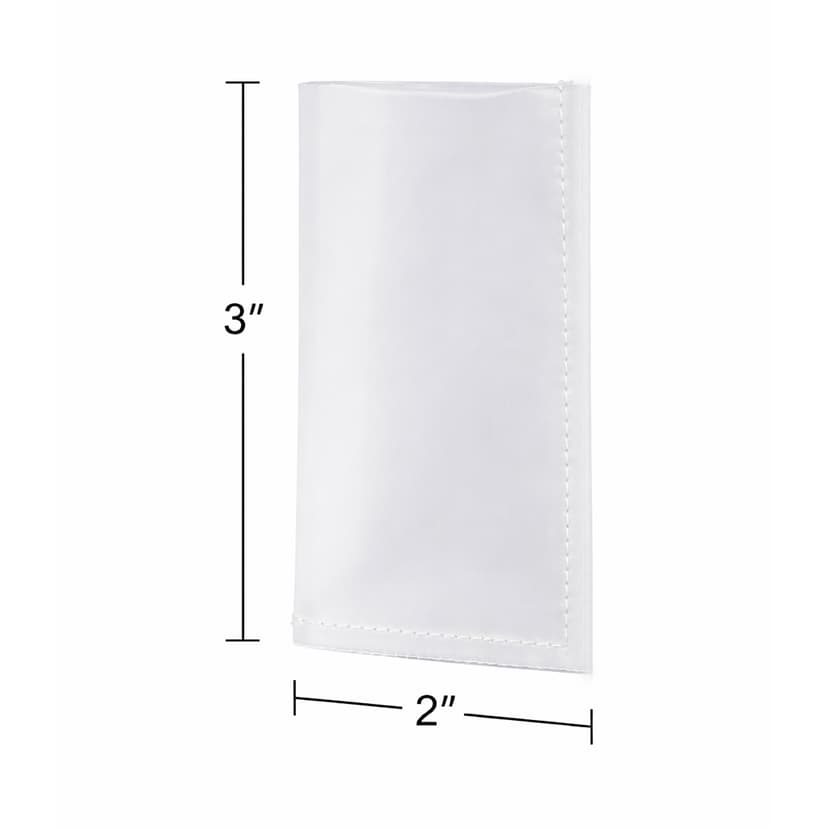
The EXTRACTPHYTO Rosin Filter Bags range lists nylon bags in several dimensions and micron ratings, with sewn and welded options. The 2 × 3 inch listing includes 25, 37, 73, 90, 120 and 160 micron choices.
Those catalogue choices identify product variants; they do not establish a storage period. A storage statement should identify the relevant mesh, construction, packaging and conditions. Ask whether it applies to unopened packs only and what changes after a pack is opened or repacked.
Request any applicable temperature, humidity, light-exposure and packaging requirements from the supplier. Do not substitute an arbitrary numerical range or assume that a general nylon material document validates the finished bag and its packaging.
Separate dates with different meanings
| Date or reference | What it records | What it does not establish alone |
|---|---|---|
| Manufacture or lot reference | The supplier’s production identity, where provided | An expiry period |
| Receipt date | When your warehouse received the stock | When it was manufactured |
| Pack opening date | When the original pack was opened | A new validated shelf-life period |
| Review date | An internal checkpoint for inventory review | Supplier-certified fitness for use |
| Supplier expiry or retest date | A supplier-defined limit or review point, if specified | Permission to ignore the stated storage conditions |
If the supplier has not provided an expiry date, keep that field explicitly unconfirmed. An internal review date can trigger a stock check without being printed as a manufacturer expiry date. Repacking should not silently reset the age or identity recorded for the original stock.
Preserve identity when opening a carton
Retain the product reference, micron, dimensions, construction and available lot information at the level from which staff actually pick orders. If only the outer carton is labeled, ask for a practical way to preserve that identity when individual packs move to a shelf.
Keep opened quantities in labeled protective containers or packaging appropriate to the supplier’s instructions and your stock-handling requirements. Avoid leaving loose bags beside sharp tools or exposed to warehouse dirt. Do not describe an ordinary closed pack as sterile or validated protective packaging unless supporting evidence exists.
For the relationship between bag counts, packs and cartons, use the separate wholesale pack and SKU guide. Here the key control is retaining identity and condition history after those units are split.
Define a hold-and-review decision
A useful warehouse rule distinguishes routine stock from items that need a decision. Torn packaging, visible contamination, damaged mesh, uncertain identity or a known departure from supplier storage instructions should trigger a hold for review rather than automatic dispatch.
Record the affected quantity, item identity, observation and available photographs. Keep the goods separate from releasable stock while the responsible person and supplier determine the appropriate action. Visual appearance alone does not prove that an uncertain item meets its original requirements.
Do not attempt to restore questionable unused stock by applying an unapproved wash, solvent or heat treatment. Ask whether assessment, replacement or another documented disposition is appropriate. A supplier response should identify which stock it covers rather than offering an unexplained general reassurance.
Use rotation without inventing a lifetime
For otherwise equivalent, approved stock, an oldest-received-first picking rule can support orderly inventory management. Where a supplier specifies expiry dates, prioritize the earliest valid expiry instead. Neither approach makes damaged or unidentified stock acceptable.
Review planned order quantities against your own sales and inventory records. A bulk discount is not enough to determine a suitable holding period when shelf-life or storage requirements remain unresolved. Ask about delivery scheduling and pack options before committing to more inventory than you can manage.
Request storage information with your next order
EXTRACTPHYTO is a China-based manufacturer. Include the selected bag variant, packaging preference, intended holding period and destination in your enquiry. Request the applicable storage instructions, any supported shelf-life statement, lot identification and the process for reviewing opened or uncertain stock. This guide does not promise a specific shelf life, sterile supply or a return entitlement.
Request an EXTRACTPHYTO quotation or email [email protected]. Include your company, selected specification, quantity, destination and this article’s title so the team can identify your requirements.