In the world of high-end solventless concentrates, there is a pinnacle that few reach: the legendary “white sift.” Unlike ice water extraction, which can sometimes mute volatile terpenes through water solubility, dry sifting preserves the raw, unadulterated essence of the plant. However, achieving that 99% pure gland separation—devoid of green plant matter and “stalks”—is a feat of engineering as much as it is an art.
If you are looking to elevate your extraction game, the most important decision you will make is your equipment. Today, we’re diving deep into how to choose the best dry sift screen set for clean separation, and why the gear from EXTRACTLAB has become the industry standard for those who refuse to compromise on purity.
1. The Physics of “Clean Separation”
Before looking at screen sets, you must understand what you are fighting against: contamination. When you agitate flower or trim over a screen, you aren’t just knocking off trichome heads; you are also breaking brittle leaves and cystolith hairs.
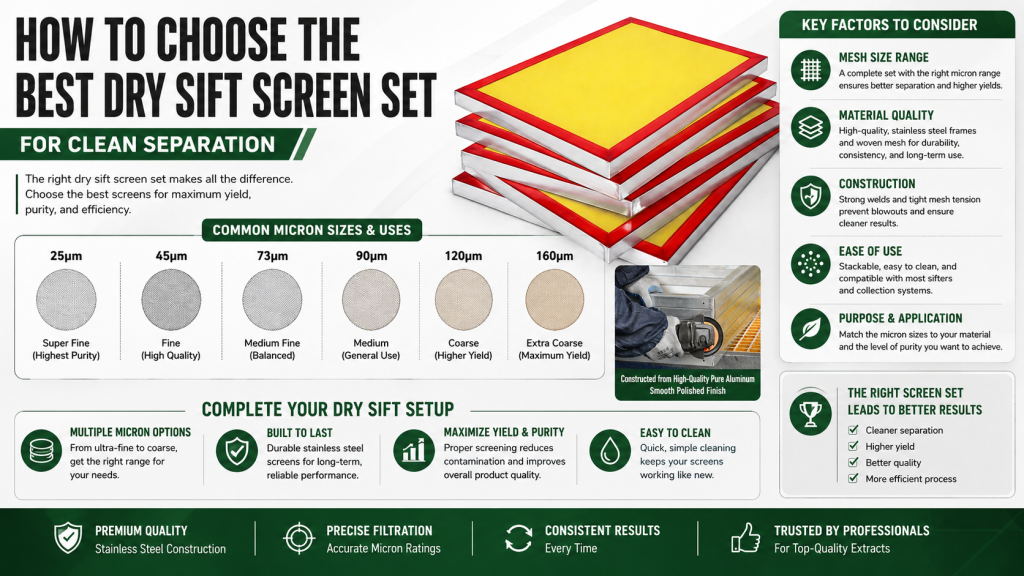
A “clean separation” means your screen set must be precise enough to let the heads through while trapping everything else. This requires a nuanced “stack” of different micron sizes. Cheap, single-screen solutions will never yield connoisseur-grade results. You need a multi-stage filtration system that uses gravity and electrostatic charge to your advantage.
2. Micron vs. LPI: Clearing the Confusion
When shopping for the best dry sift screen set, you’ll encounter two measurements: Microns and LPI (Lines Per Inch).
-
LPI (Lines Per Inch): This is often used in the screen-printing industry. For example, a 70 LPI screen is roughly 220 microns.
-
Microns (μ): This is the industry standard for extraction. It measures the actual distance between the threads.
EXTRACTLAB Professional Tip: For the cleanest separation, look for sets defined by microns. LPI can be deceptive because thread thickness varies; two 100 LPI screens can have different actual hole sizes. At EXTRACTLAB, we calibrate our mesh using laser-measured micron precision to ensure that your 73μ screen is exactly 73μ across the entire surface.
3. The Anatomy of a High-End Screen Set
To choose the best dry sift screen set for clean separation, you must look past the mesh and examine the construction.
Monofilament vs. Multifilament Mesh
This is the “deal-breaker” for quality.
-
Multifilament (Cheap): These threads are made of many tiny fibers twisted together. They are rough and “grab” onto the resin, causing clogs and bruising the trichome heads.
-
Monofilament (EXTRACTLAB Standard): These are single, smooth strands of high-tensile nylon. They allow resin glands to slide through effortlessly without friction, which is essential for preserving the “grease” and preventing “greening” of the sift.
Aluminum vs. Wood Frames
While wooden frames have a “classic” look, they are the enemy of clean separation in 2026. Wood can warp, holds moisture, and—worst of all—it sheds tiny wood fibers into your final product. EXTRACTLAB utilizes industrial-grade anodized aluminum frames. They are lightweight, perfectly flat, and easy to sanitize with 99% ISO, ensuring that the only thing in your collection tray is pure resin.
4. The Ideal 4-Screen Stack for 2026
If you want to achieve professional results, a 2-screen set isn’t enough. To get that “head-only” fraction, we recommend the EXTRACTLAB 4-Screen Professional Stack:
-
The Scalping Screen (200μ – 250μ): This is your top layer. It removes the large leaves, stems, and seeds. You aren’t looking for quality here; you are protecting the finer screens below.
-
The Cleaning Screen (140μ – 160μ): This layer catches the majority of the “large” contaminants. Some outdoor strains with massive heads might stop here, but usually, this is still “food grade” material.
-
The Collection Screen (70μ – 90μ): This is the gold mine. Most mature trichome heads fall into this range. When used with the right technique, the material caught on this screen is often dabbable “Full Melt.”
-
The Fines Screen (45μ – 25μ): This catches the broken stalks and immature heads. It’s perfect for infusions or high-potency “snakes” in joints.
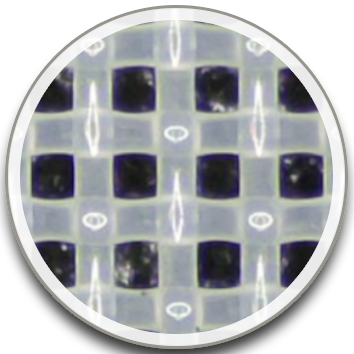
Available Individual Mesh Size
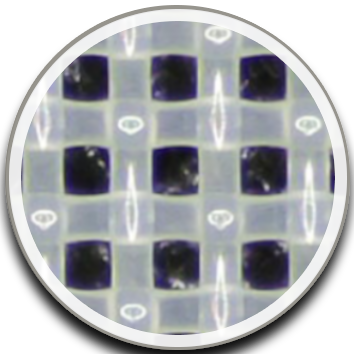
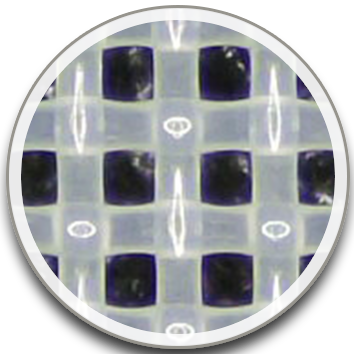
| 150um+ First Pass | ||||
| Initial filtration stage:Removes large particles and primary impurities for stable pre-filtration performance. | ||||
 |
 |
 |
 |
 |
| 100mesh 54Um |
90Mesh 165um |
86Mesh 185um |
60Mesh 250um |
40Mesh 420um |
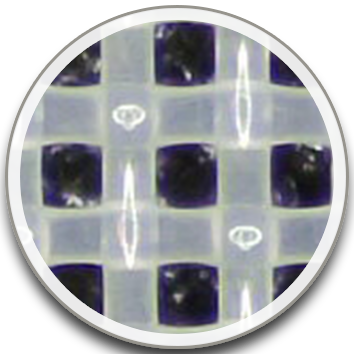
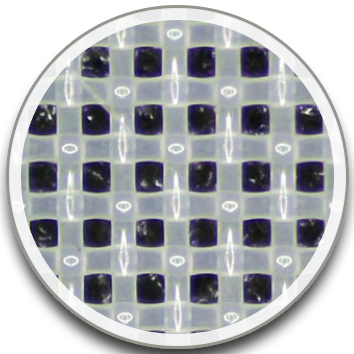
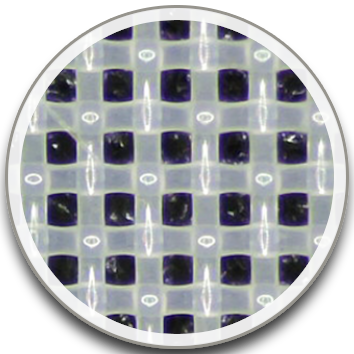
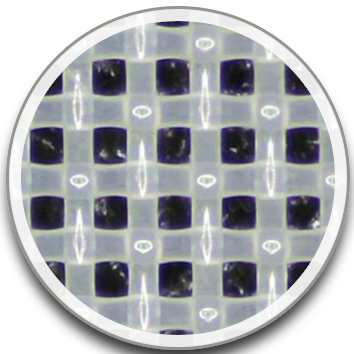
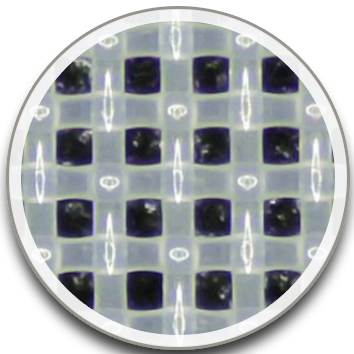
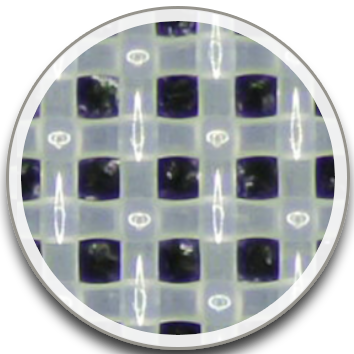
| 75-150um Quality Zone | ||||
| Mid-level precision filtration: Balances flow rate and efficiency, capturing medium-size particles for consistent quality output. | ||||
 |
 |
 |
 |
 |
| 195Mesh 80um |
180Mesh 85um |
158Mesh 96um |
125Mesh 124um |
110Mesh 149um |
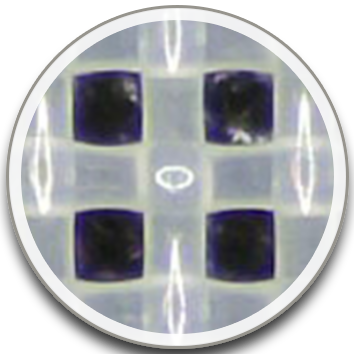
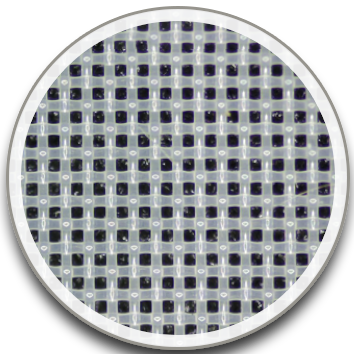
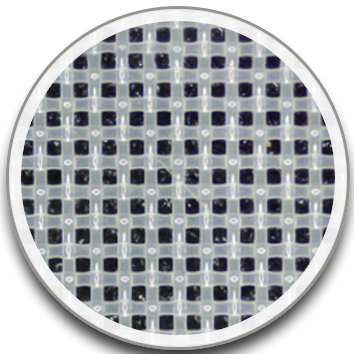
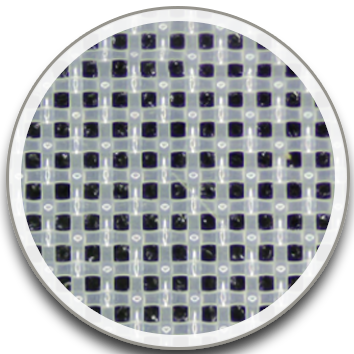
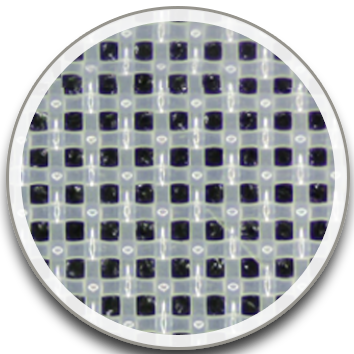
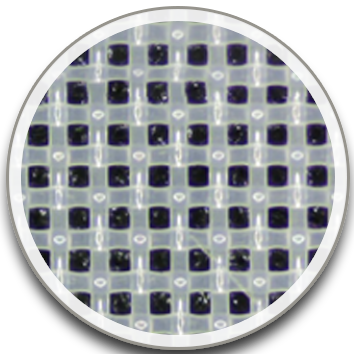
| Sub-75um Ultra-Refined | ||||
| High-precision finishing stage: Designed for ultra-fine filtration, delivering premium purity and refined final product quality. | ||||
 |
 |
 |
 |
 |
| 500Mesh 25um |
420Mesh 35um |
325Mesh 45um |
230Mesh 63um |
200Mesh 75um |
Other micron sizes are available upon request. Please contact us for custom orders.
5. The Secret Ingredient: Mesh Tension
Most people forget that a screen is a mechanical filter. If the mesh is “floppy” or loose, the holes will stretch and deform during agitation, letting in “green” contaminants.
When choosing the best dry sift screen set, you must ensure the mesh is drum-tight. At EXTRACTLAB, we use pneumatic tensioning systems to bond our monofilament mesh to the frames. This high-tension surface creates a “bounce” that helps separate the heads from the stalks more efficiently, reducing the amount of “work” (and thus friction) needed to get a high yield.
6. Embracing “Static Tech” in 2026
Clean separation isn’t just about sifting; it’s about post-processing. “Static Tech” involves using the electrostatic properties of resin to pull the heads away from the plant matter.
The best dry sift screen sets are designed to facilitate this. High-quality nylon mesh (like that used by EXTRACTLAB) naturally generates a slight static charge. When you use the “paint brush” or “carding” technique across our tensioned screens, the heads remain attracted to the surface while the debris is left behind. This is how you move from “Green Hash” to “Yellow Gold.”
7. Cleaning and Longevity: A Professional Necessity
You cannot achieve clean separation with a dirty screen. Resin is inherently sticky, and over time, “blindness” (clogging) occurs.
-
Ease of Cleaning: Because EXTRACTLAB screens use aluminum and monofilament nylon, they can be safely cleaned with cold 99% Isopropyl alcohol and a soft-bristled brush.
-
Storage: Always choose a set that comes with a protective case. A single pinprick in your 73μ mesh will ruin your entire separation process.
8. Why EXTRACTLAB?
When you are deciding how to choose the best dry sift screen set for clean separation, you are essentially choosing who you trust with your harvest.
EXTRACTLAB wasn’t started by businessmen; it was started by extractors. We realized that the “hobbyist” gear on the market was failing the high-end artisan. Our screens are:
-
Laser-Verify Microns: No “roughly 100 LPI” guesses.
-
Eco-Friendly Anodized Aluminum: No wood splinters, ever.
-
Tension-Locked: Consistent performance from the first gram to the ten-thousandth.
FAQ: Expertise on Dry Sifting
Q: Can I use silk-screen frames for dry sifting? A: You can, but it’s inefficient. Silk-screen mesh is designed to hold ink, not to separate solids. The thread count and weave are different, which leads to higher contamination levels.
Q: Is dry sift better than bubble hash? A: It depends on your goal. Dry sift is the “rawest” form of the plant. It’s harder to get “clean,” but when you use a professional EXTRACTLAB set, the terpene profile is often more complex than water-washed hash.
Q: How much material can I process at once? A: Don’t overload the screen! For a clean separation, you want a thin layer of material. Overloading causes “crushing,” which forces green matter through the mesh.
Conclusion: The Ultimate Investment for Purity
Choosing the best dry for clean separation is the difference between making “kief” and making “medicine.” It is about the precision of the micron, the tension of the mesh, and the durability of the frame.
As the solventless market continues to explode in 2026, the demand for pure, artisanal dry sift is at an all-time high. Equip your lab with an EXTRACTLAB Professional Screen Set and stop settling for “good enough.” Experience the clarity, the melt, and the unparalleled flavor of true clean separation.
[Explore the EXTRACTLAB 2026 Collection – Elevate Your Sift Now]