Does a solvent-resistant adhesive make a dry sift screen compatible with every cleaner? No. A general resistance description does not identify which cleaning product, concentration, exposure conditions or repeated-use schedule has been approved for the complete screen.
For procurement, start with the actual cleaning requirement and ask the supplier to confirm compatibility with the assembled product. This guide helps buyers prepare that request for dry sift screens; it does not prescribe a chemical, cleaning temperature or cleaning procedure.

Review the complete assembly
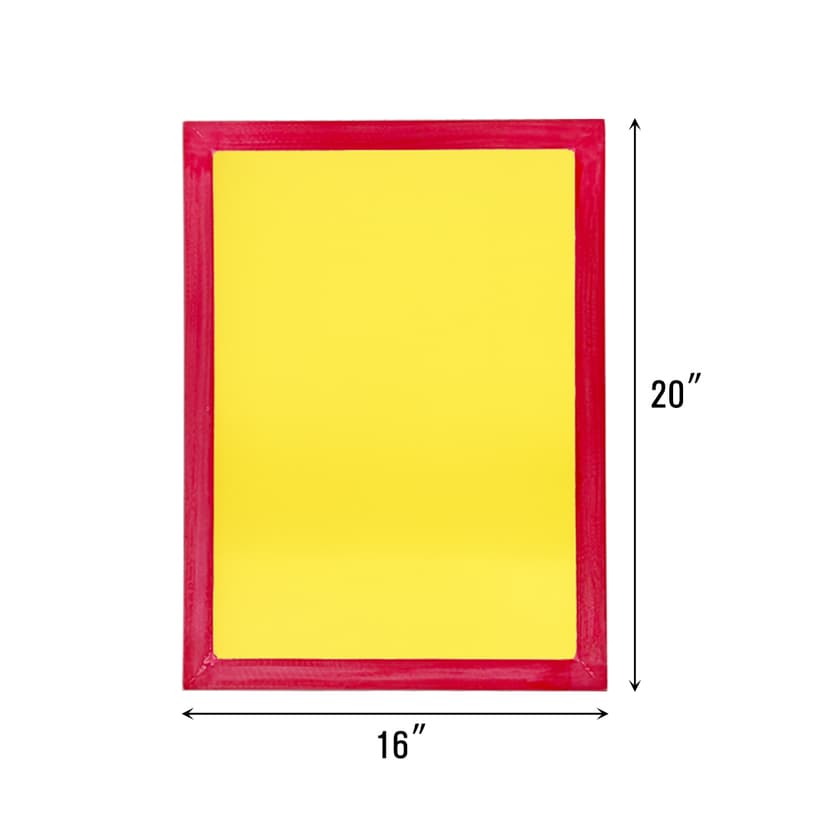
The 16 × 20 inch EXTRACTPHYTO listing identifies polyester mesh, an aluminum frame and a glued mesh attachment described as solvent-resistant. Those details establish the components to discuss. They do not supply a chemical-by-chemical compatibility table or a validated cleaning-cycle limit.
A document covering the mesh alone leaves the attachment and frame outside its scope. Likewise, information about bare aluminum does not necessarily describe a finished frame with any surface treatment, label or bonded edge. Ask the supplier to identify which parts the approval covers.
| Part to identify | Information to request |
|---|---|
| Mesh | Fabric reference and the conditions covered by any compatibility statement |
| Mesh attachment | Bonding-system reference and approved cleaning exposure |
| Frame | Material, finish where applicable and any restrictions |
| Labels or markings | Whether identification remains suitable after the approved cleaning process |
Describe the proposed cleaner precisely
Send the cleaning product’s exact name and current technical information. An informal description such as “alcohol cleaner” or “standard detergent” may leave composition and concentration unclear. Identify whether the product is supplied ready to use or prepared to a specified concentration.
Include the intended contact time, temperature, application method, rinsing and drying requirements from your established procedure. If these are not yet defined, mark them as open questions. The supplier cannot meaningfully approve an unspecified exposure by answering only whether the mesh is polyester.
For an existing installation, identify the current screen and its approved specification. For a new order, tie the question to the proposed fabric and attachment system. A reply about another screen in the range should not be carried over without confirmation.
Ask what the evidence actually demonstrates
Separate a material-reference opinion from a test of the completed assembly. Ask whether the response is based on component documentation, a supplier evaluation or another identified source. Record any exclusions and limitations with the response.
If repeated cleaning matters to the purchase, ask the supplier to propose an evaluation scope for agreement. The scope should state the exposure conditions, number of cycles, observations and acceptance criteria. This article provides no universal cycle count or tolerance and does not claim that EXTRACTPHYTO includes such testing with every order.
A photograph of a clean screen cannot establish chemical compatibility or the absence of residue. Similarly, an unchanged appearance after one exposure does not prove indefinite service life. Keep cleanliness requirements and mechanical condition checks as separate entries in the approval record.
Define the condition to check after evaluation
Before an evaluation starts, agree what will be reviewed: visible mesh damage, changes at the bonded edge, frame condition and legibility of identification. If aperture or tension must remain within agreed limits, identify the measurement method and the relevant specification.
Use the mesh tension report guide for a separate tension record. Do not convert a visual description such as “still tight” into a numerical result. Any measured comparison should refer to the same identified screen and defined conditions.
Keep approval attached to the order revision
Save the accepted cleaner information, supplier response and product specification together. Ask whether changing the fabric, adhesive, frame finish or cleaning product requires a new review. The commercial description “same size and micron” does not necessarily capture all of those changes.
If an existing screen shows damage or detachment, obtain an assessment rather than assuming a different cleaner will restore it. The remeshing versus replacement guide addresses that separate purchasing decision; it does not establish that repair is available.
Request compatibility information before production approval
EXTRACTPHYTO is a China-based manufacturer. Send your frame size, fabric requirements, quantity and proposed cleaning information with the quotation request. Ask for a response covering the finished assembly, with any unconfirmed conditions clearly identified before you approve production.
Request an EXTRACTPHYTO quotation or email [email protected]. Include your company, product reference, specification, quantity, destination and this article’s title.