How can a buyer compare dry sift screen mesh tension between suppliers? Ask for measurements tied to the same screen specification, instrument method, locations and inspection stage. A statement such as “high tension” or a single unexplained number is not a repeatable acceptance record.
This guide focuses on the evidence behind a tension claim. It helps procurement teams agree what will be measured before ordering, then compare the supplier report with receiving inspection. It does not prescribe a universal tension target for every mesh and frame.
Separate tension from mesh opening and frame size
Tension describes how the fabric is held under load within the frame. Aperture describes an opening between threads. Outside dimensions describe the frame footprint. These are separate specification fields: matching one does not establish the other two.
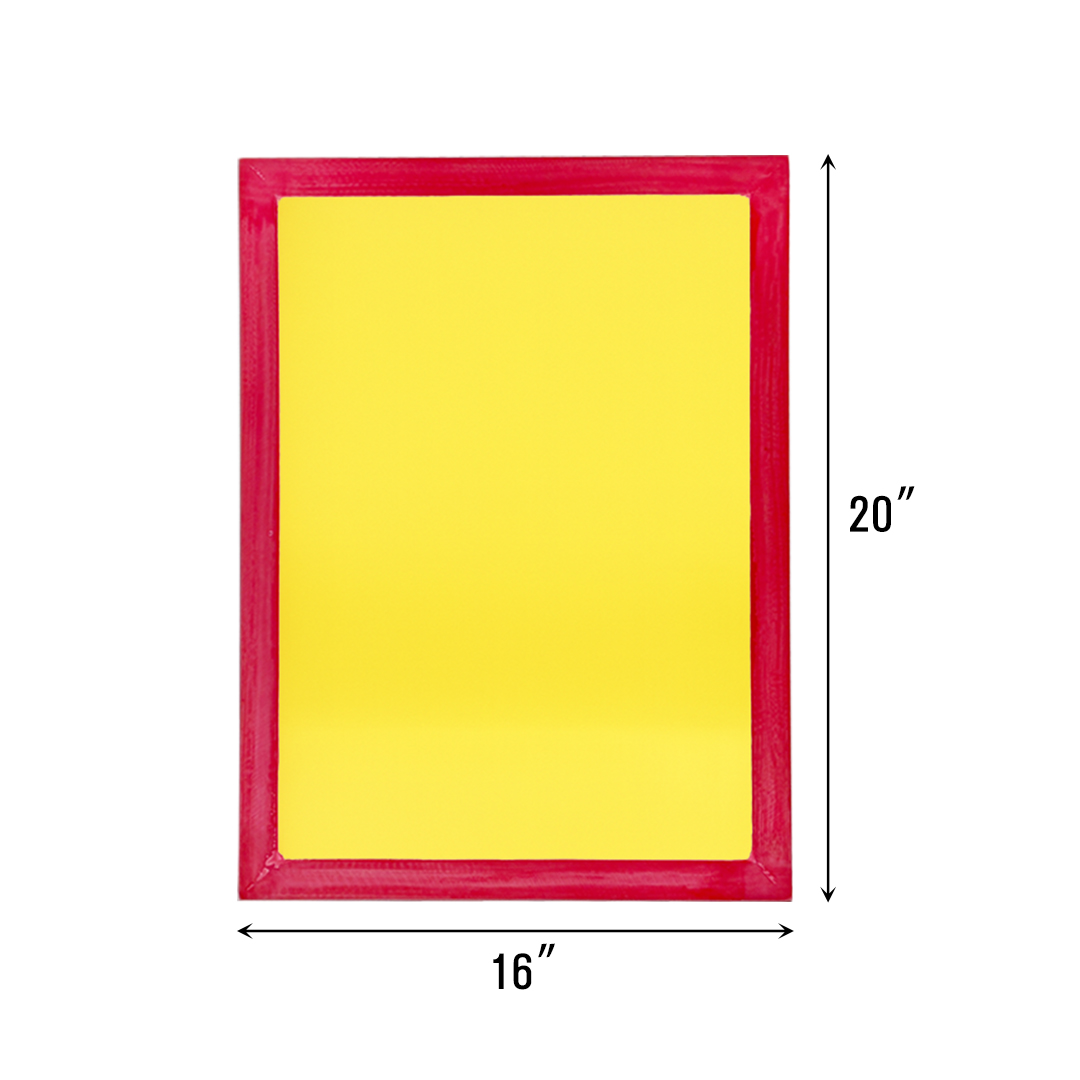
The EXTRACTPHYTO Dry Sift Screen range uses aluminum frames and polyester mesh, with standard and custom sizes and individual or set ordering. The 16 × 20 inch model is one available frame reference. Its public listing does not provide a numerical tension acceptance range. Request that range for the selected mesh and frame if tension verification is a purchase requirement.
What belongs in a supplier tension report?
| Report field | What to request | Why it matters |
|---|---|---|
| Product identity | Frame reference, mesh identification, batch and drawing revision | Connects results to the screens being purchased |
| Instrument and units | Gauge model, units and verification or calibration record | Allows the reader to interpret the numbers |
| Measurement map | Numbered locations, directions and orientation reference | Allows receiving staff to repeat the same checks |
| Inspection stage | When the finished frame was measured and its condition | Avoids comparing different stages as if they were identical |
| Results | Individual readings, with agreed summary values | Shows variation that an average may conceal |
| Acceptance rule | Agreed limits, treatment of variation and retest procedure | Makes pass, hold or review decisions explicit |
Keep units attached to every numerical result. If a supplier reports N/cm, retain that unit in your record; do not relabel the value as a force or pressure. If two instruments use different methods or scales, obtain a documented comparison before treating the results as interchangeable.
Agree a measurement map before requesting numbers
A useful map identifies the frame orientation and measurement locations on a drawing. Discuss a centre location and additional distributed locations with the supplier, then agree positions suitable for the frame size and the gauge instructions. Mark any direction-dependent readings clearly. This is a proposed purchasing method, not a claim that a particular number of points is an industry-wide standard.
Ask both parties to use the same support arrangement and the instrument manufacturer’s procedure. Record the test condition, including whether the screen is dry and whether it has already been used or cleaned. A receiving result from a different condition should trigger a method review before it is interpreted as a production defect.
Dedicated instruments exist for this purpose: Sefar’s milling-accessory documentation describes a digital gauge for reproducible screen-tension measurement. This is background on measurement equipment, not evidence that EXTRACTPHYTO uses that instrument or that its numerical targets apply to our screens.
Read the individual measurements, not only the average
Imagine two reports with the same average but different patterns: one has similar readings throughout, while the other has a much lower reading at one location. An average alone cannot distinguish them. Request the underlying values and agree how location-to-location variation will be judged.
Keep the target range and permitted variation separate. Also specify whether a single outlying result places that frame on hold, calls for a repeat measurement or triggers further inspection. Do not invent limits after the goods arrive; the supplier and buyer should approve them before production.
Use a short record for repeat orders
- Purchase order, frame identifier and mesh specification
- Drawing and measurement-map revision
- Inspection date, stage, condition and inspector
- Instrument identification, units and verification status
- Reading at each agreed location and direction
- Acceptance limits and result: accepted, held or rejected
- Photographs, retest findings and agreed corrective action
For a disputed result, preserve the frame identification and compare methods first. Record any remeasurement separately rather than replacing the original figures. If a frame or mesh specification changes, review whether the earlier target and measurement map remain suitable.
Buyer questions
Can I approve tension by pressing the mesh with my hand?
A visual or tactile check may reveal obvious slack, but it does not provide a documented numerical result. Use the agreed measurement procedure when the order includes a numerical requirement.
Is the highest reported tension always the best choice?
No. Compare results with the agreed requirements for the complete frame and mesh assembly. A larger number is not, by itself, a quality ranking or proof of better separation.
Request screens with defined inspection evidence
EXTRACTPHYTO is a China-based manufacturer supplying standard and custom screens. Review the available screen configurations, then send your frame, mesh and tension-report requirements. Ask us to confirm the measurement capability and acceptance terms in the quotation. Use the broader wholesale inspection checklist for frame, identification and packaging checks alongside the tension record.