What should a dry sift screen aperture report show? It should connect a specified mesh opening to an identified sample, explain how that opening was measured and present the results against an agreed acceptance requirement. A micron label, an enlarged photograph or a mesh conversion chart alone does not provide that evidence.

This guide helps purchasing teams review measurement records. It does not recommend a processing micron or replace the supplier’s agreed inspection procedure.
Define the measurement before requesting a report
For woven mesh, ask whether the quoted micron value describes the nominal clear opening between threads. Keep that value separate from thread count and from a claim about particle retention. A result for one property should not be presented as proof of another.
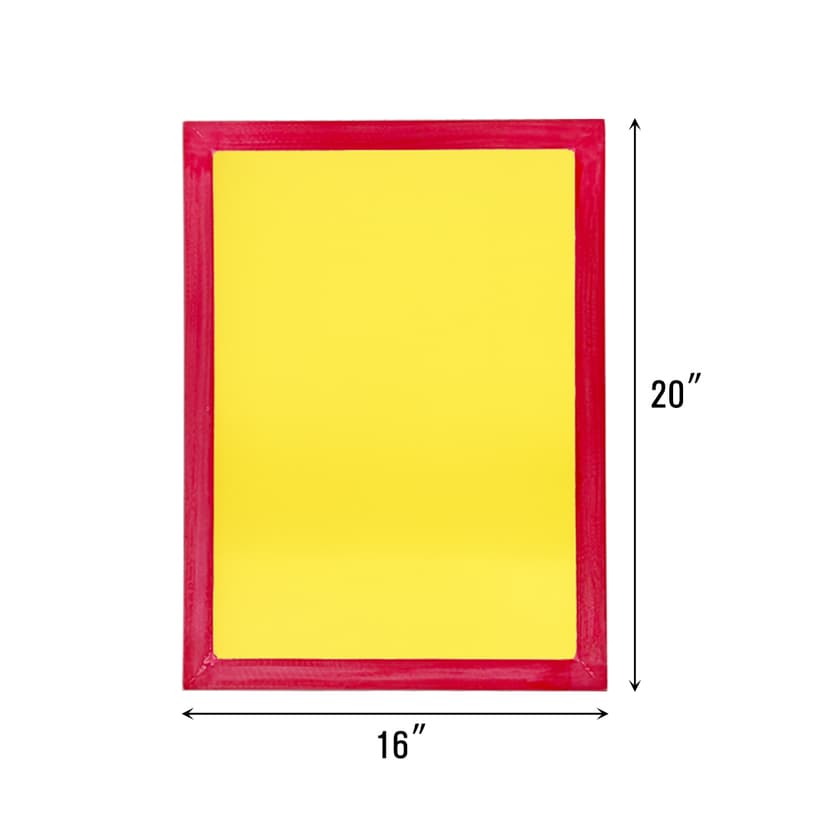
The EXTRACTPHYTO 16 × 20 inch screen listing describes polyester mesh on an aluminum frame. Its frame size identifies a catalogue format; it does not establish an aperture tolerance or prove a measurement on the delivered screen. Request the specification for the actual mesh option in your quotation.
Identify what was measured: fabric or finished frame
A fabric supplier’s report and a finished-screen inspection answer different questions. The first concerns the identified fabric sample. The second concerns the screen assembly or samples described in that inspection. Ask the supplier which one is being offered and how its sample reference connects to your purchase order.
Record the mesh reference, material, production or lot reference if available, and whether the sample was loose fabric or mounted mesh. If a fabric report is used to support several frames, request the link between that fabric lot and those frames. A report from a previous order should not silently become evidence for a new batch.
Check the method and the reported directions
Ask how the supplier measures the clear openings, which instrument or imaging system is used and how its measurement scale is verified. A magnification label on a photograph is not enough to establish a dimension when the image may have been resized. Request the original measurement record, with units and the method identified.
Woven mesh has two principal thread directions. Ask the report to identify the direction of each reported measurement rather than combining everything into one unexplained number. Also establish the locations and number of openings examined. These details let you understand what was sampled; they do not automatically establish that every opening across every frame was inspected.
| Report field | Question for the supplier | Purchase decision it supports |
|---|---|---|
| Sample identity | Which fabric lot or finished screen does this represent? | Whether the evidence applies to this order |
| Method and units | How were clear openings measured and the scale checked? | Whether results are interpretable |
| Sampling coverage | Which directions, locations and quantities were examined? | What the report actually covers |
| Results | Are individual readings or a defined summary available? | Whether variation is visible |
| Acceptance requirement | Which agreed limits were used? | Whether acceptance follows the order specification |
Do not accept an average without its context
An average can conceal differences between measured openings. Ask for the range and the underlying readings where needed, or a clearly defined summary appropriate to the agreed inspection. Establish whether any acceptance limit applies to individual openings, an average, or another stated measure. These are different requirements.
There is no universal tolerance supplied by this article. The buyer and supplier should agree the relevant limits, measurement method and sampling scope before production. If the method cannot reliably distinguish the required limits, resolve that issue before using the report to accept or reject goods.
Keep aperture and tension evidence separate
A tension reading is not a measurement of an opening. If both properties matter, request separate results with their own methods and sample identifiers. Use the mesh tension report guide for the tension part of the review. This prevents a well-documented tension check from masking a missing aperture record.
What if the report and quotation disagree?
Hold approval of the affected specification and ask for clarification. Check units, sample identity, mesh reference and document revision first. Then request corrected documentation or agreed remeasurement as appropriate. Preserve both the original finding and the supplier’s resolution; do not overwrite the discrepancy with an undocumented “passed” label.
Request a specification and evidence package
EXTRACTPHYTO is a China-based manufacturer of dry sift screens. Send the desired aperture, frame format, quantity and inspection requirements with your enquiry. Ask which reports can be supplied, what they cover, and whether additional measurement affects cost or timing. This checklist is a purchasing request, not a claim that a particular certificate accompanies every screen.
Request a quotation from EXTRACTPHYTO or email your requirements to [email protected]. Include your company and the information above so the reply can address your order.