Introduction: Why Micron Size Comparison Matters
Selecting the appropriate micron size for filtering or screen-based separation systems can have a big impact on output and efficiency. Many consumers frequently compare screens with 90 and 120 microns, but they aren’t sure which is better for their requirements.
If you want to strike the correct balance between material flow and filtration accuracy, you must comprehend this micron comparison.
What Does Micron Mean in Filtration?
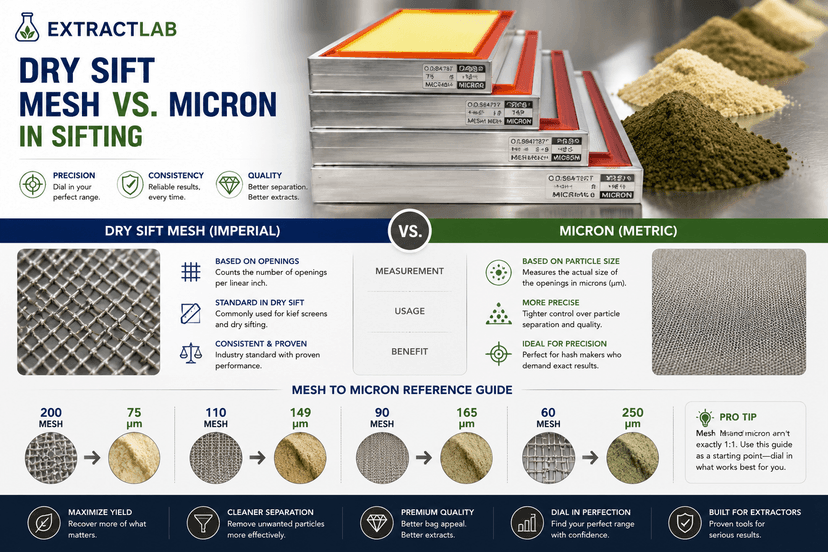
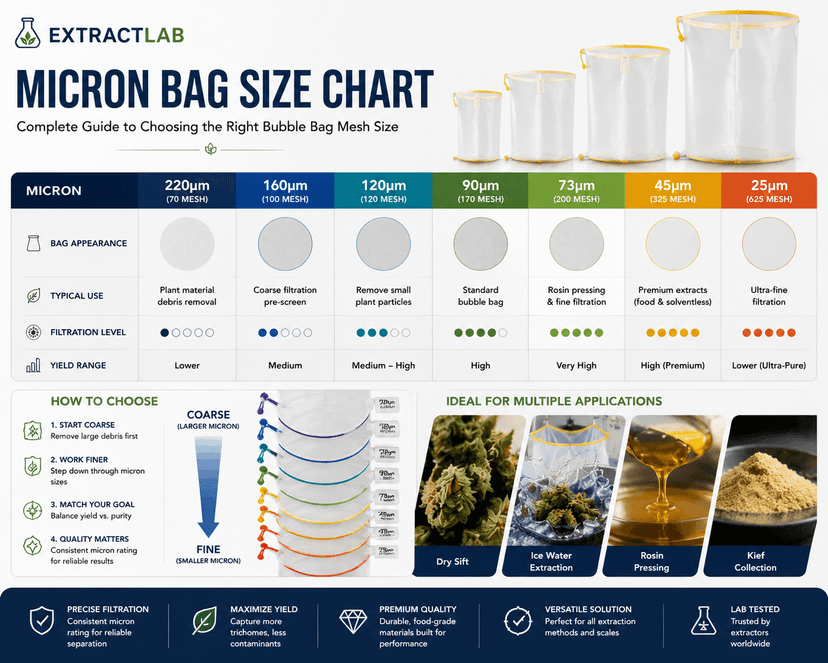
A micron is a unit of measurement used to define the size of particles that can pass through a filter or screen.
- Smaller micron number → finer filtration
- Larger micron number → higher flow rate
👉 If you want a deeper explanation, you can read:
→ How to Choose Micron Size
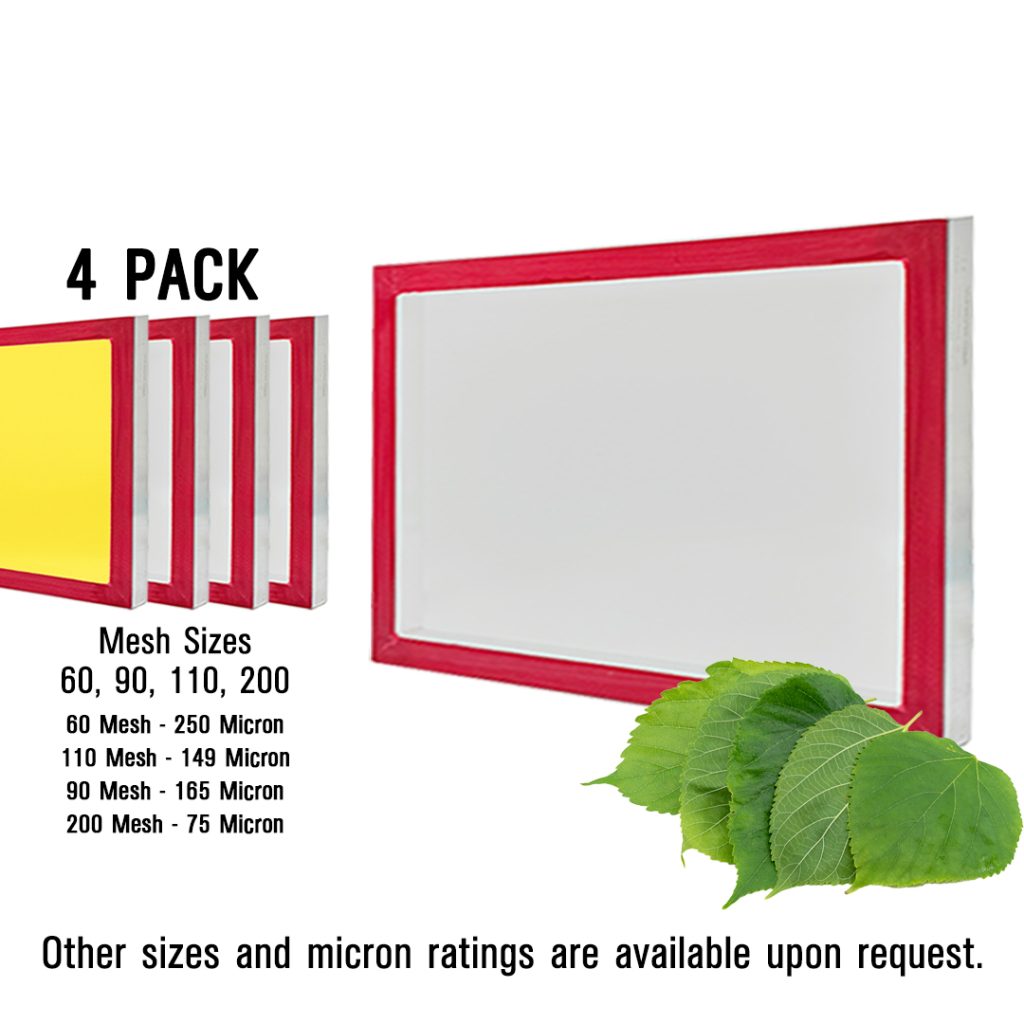
Having a clear understanding of micron ratings is the first step in making the right micron comparison.
75 vs 150 Micron: Key Differences
When comparing 90 vs 120 micron, the main differences come down to filtration precision and performance:
75 Micron Screen
- Finer filtration level
- Captures smaller particles
- Produces cleaner output
- Slightly slower processing speed
150 Micron Screen
- Coarser filtration
- Allows more material to pass through
- Faster processing
- Suitable for initial separation
👉 In this micron comparison, neither option is “better”—it depends entirely on your application.
When to Use 75 Micron vs 150 Micron
Choosing between 75 vs 150 micron depends on your specific workflow:
Use 150 Micron When:
- You need pre-filtration
- You want higher throughput
- You are removing larger particles
Use 75 Micron When:
- You need better refinement
- You want cleaner separation
- You are working with finer material
👉 A practical approach is to combine both in a multi-stage system rather than choosing only one.
Why Micron Comparison Matters in Multi-Layer Systems
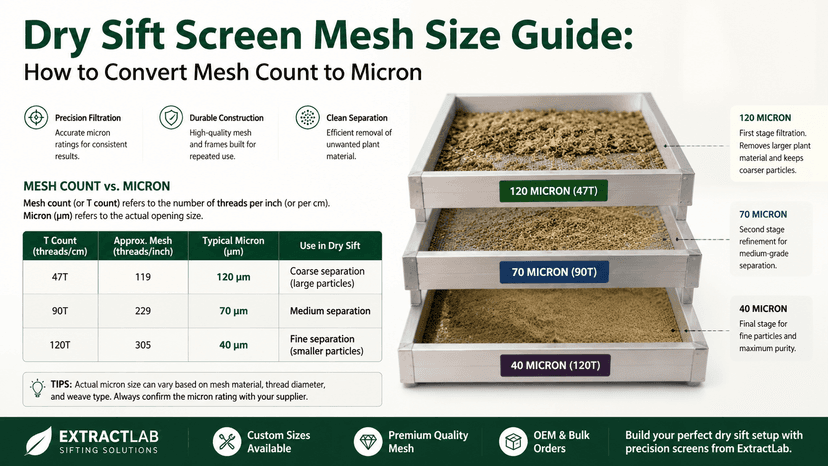
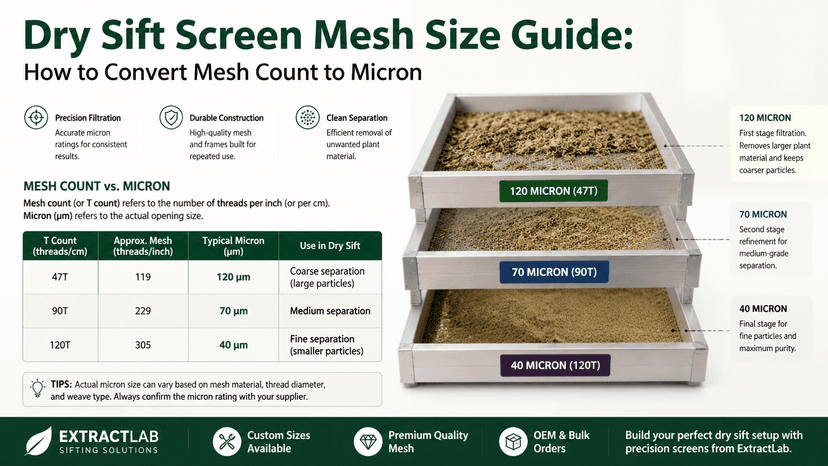
In real-world applications, professionals rarely rely on a single screen size. Instead, they use multiple layers to refine material step by step.
A typical setup might look like:
- 150 micron → initial filtering
- 75 micron → refinement stage
- smaller micron → final separation
👉 This type of staged micron comparison improves both efficiency and consistency.
For example, a well-designed
→ Screen Product
often includes multiple micron options, allowing users to switch between 90 vs 120 micron depending on their needs.
Performance Differences: Flow Rate vs Precision
One of the most important aspects of 75 vs 150 micron selection is balancing flow rate and precision:
- 150 micron → higher flow, lower precision
- 75 micron → lower flow, higher precision
This trade-off is at the core of every micron comparison decision.
Choosing the wrong size can result in:
- Loss of valuable fine material
- Reduced efficiency
- Inconsistent results
Common Mistakes When Choosing Between 75 and 150 Micron
Even experienced users can make mistakes in this micron comparison:
- Using only one screen instead of multiple stages
- Choosing finer micron without considering flow rate
- Ignoring material characteristics
The key is to match the screen size to your actual processing goal.
Best Practice: Combine 75 and 150 Micron
Instead of choosing between 75 vs 150 micron, the best solution is often to use both.
Benefits of combining:
- Better control over separation
- Improved final quality
- More flexible workflow
👉 For users who want consistent results, a multi-layer system is always the preferred option.
Conclusion: Choose Based on Your Process
The difference between 75 vs 150 micron comes down to one simple principle:
precision vs flow rate.
- Choose 150 micron for speed and pre-filtering
- Choose 75 micron for refinement and cleaner output
Understanding this micron comparison allows you to design a more efficient and reliable filtration process.
If you are looking for flexibility, investing in a multi-micron solution—like a professional
→ Screen Product
—will give you the ability to adapt to different materials and achieve better overall performance.