Is choosing 110V or 220V enough to specify a rosin press? No. A purchase specification should also confirm frequency, phase, rated input, connection details and any separate utility requirements. Match the exact machine configuration to the installation site before approving an order.
This checklist is for equipment procurement and site planning. It helps buyers ask for complete supplier information; installation and electrical work should follow the machine documentation and be handled by appropriately qualified personnel.

Separate the pressing mechanism from the electrical supply
A manual pressing mechanism does not imply an electrically unpowered machine. A press may apply force manually while using electricity for heating and controls. A powered pressure system can introduce additional requirements, and a pneumatic configuration may also need a separate air supply.
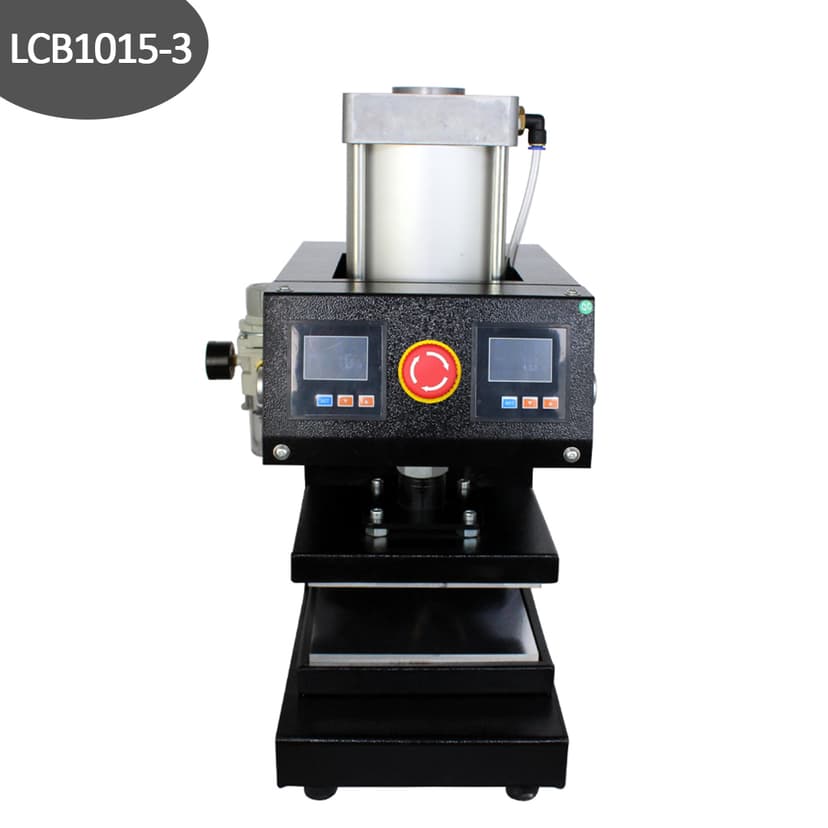
The EXTRACTPHYTO Rosin Press Machine range includes manual, hydraulic, pneumatic and electric configurations, with 110V/220V options and project-specific configurations. Treat each model as its own specification rather than carrying an electrical assumption from one model to another.
Collect the electrical information in one schedule
| Item to confirm | What to request | Why it belongs in the order |
|---|---|---|
| Model and configuration | Exact model reference and selected options | Keeps the quotation, manual and nameplate tied to the same machine |
| Supply voltage | Rated input and permitted supply range | Distinguishes a selected version from a genuinely multi-voltage input |
| Frequency and phase | Supported frequency and phase stated in writing | A voltage value alone does not describe the complete supply |
| Rated electrical input | Total rated power and current, with the basis of the rating | Gives the site reviewer the manufacturer’s load information |
| Connection | Plug or connection type, cord details and grounding requirements | Allows compatibility to be checked before delivery |
| Separate utilities | Requirements for any external pump, compressor or other accessory | Identifies equipment and services outside the main machine supply |
| Documentation | Current manual and configuration-specific nameplate information | Provides a reference for installation planning and receiving checks |
Send this schedule to the supplier and the person responsible for the installation site. Mark missing information as unresolved. Do not replace an absent manufacturer rating with a guess based on photographs or a similar model.
Read “110V/220V” as an option that needs clarification
A catalogue entry listing two voltages may describe separately ordered versions. It does not, by itself, prove automatic input switching or permission to connect the same unit to either supply. Ask which version will be built and request matching documentation.
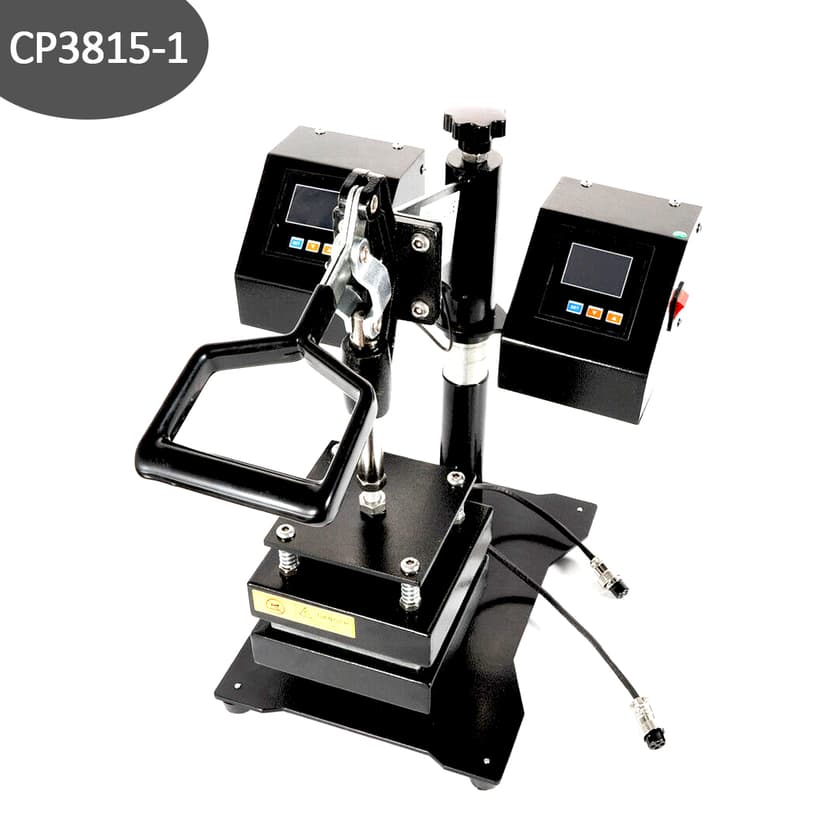
The CP3815-1 product page, for example, lists 110V/220V and 600W. Those are useful starting points for a quotation. They do not supply every detail in the schedule above or establish the ratings of other machines in the range.
Confirm the selected voltage on the quotation, order acknowledgement and supplied machine identification. A plug shape is not sufficient proof of voltage compatibility, and a plug adapter is not a substitute for confirming the machine’s rated input.
Ask what the power figure includes
When a listing gives a wattage, ask whether it represents total machine input or only part of the system. Request any additional electrical information needed by the site’s qualified reviewer, especially when the order includes powered accessories.
Keep rated power separate from energy consumption. A nameplate wattage is not a measured daily energy total. Actual consumption depends on operation and equipment behaviour; use recorded consumption if you need an operating-cost estimate. Do not promise a fixed daily electricity cost from a catalogue power figure alone.
Similarly, do not select a circuit, protective device or extension arrangement from this article. The installation decision needs the actual machine information, the site’s supply and the applicable installation requirements.
Confirm the boundary between supplied equipment and site equipment
For a pneumatic or externally powered configuration, obtain a list of what the quotation includes. Ask whether an external utility source is needed, which connecting items are included and what specifications the supplier requires for anything the buyer must provide.
Request confirmation for the exact model; do not assume that an accessory supplied with one press is included with another. If the site cannot provide a required utility, resolve that mismatch before ordering rather than planning an unverified modification after delivery.
Use a pre-shipment document check
- Compare the final quotation against the approved electrical schedule.
- Request the manual and machine identification for the ordered configuration.
- Check that voltage, frequency, phase and input ratings are consistent across the supplied documents.
- Confirm plug or connection details and the list of included accessories.
- Resolve discrepancies with the supplier before accepting a substitution.
If your purchase requires conformity documentation, ask for documents covering the actual model and destination requirements. A general catalogue statement is not a substitute for reviewing the relevant documents. This checklist does not claim certification for a particular configuration.
Questions buyers ask
Does a manual rosin press need electricity?
It may. “Manual” can describe how pressing force is applied, while heaters and controls still require an electrical supply.
Can I use another voltage version with an adapter?
Do not assume compatibility. Obtain written confirmation of the machine’s permitted supply and connection requirements before purchase or installation.
Request a site-matched press quotation
EXTRACTPHYTO is a China-based manufacturer offering rosin press configurations for OEM and commercial buyers. Review the available press models, then request a quotation with confirmed utility requirements. Include the destination, available supply, model preference, quantity and any required documentation so the proposed configuration can be reviewed before the order is placed.