How should a buyer specify sewn or welded rosin filter bags? State the joining method, seam position where applicable, finished dimensions, mesh specification and agreed sample reference. “Reinforced” or “seamless” alone does not define a reproducible product or prove a load rating.
A micron rating describes only one part of a bag specification. For procurement, the edge construction also needs a clear description so the sample, quotation and delivered order refer to the same item.
Separate joining method from seam position
The EXTRACTPHYTO rosin filter bag range lists nylon mesh bags with sewn and welded construction options, including inside or outside stitching and reinforced lock stitching. These descriptions answer different questions.
| Specification | What it describes | What to confirm |
|---|---|---|
| Sewn | Edges joined with stitching | Stitch construction, thread specification and edge finish |
| Welded | Edges joined by a bonding process | Joint layout, bond width and approved production method |
| Inside or outside stitching | Orientation of the stitched construction | Which face and edge arrangement the drawing shows |
| Reinforced construction | A description that needs further detail | The actual construction and how it differs from the standard sample |
Do not require “inside stitching” for a welded option without checking what the supplier means. Some option combinations may not apply. Ask the manufacturer to mark the selected construction on a drawing or annotated sample photograph.
Use a product listing as the starting point
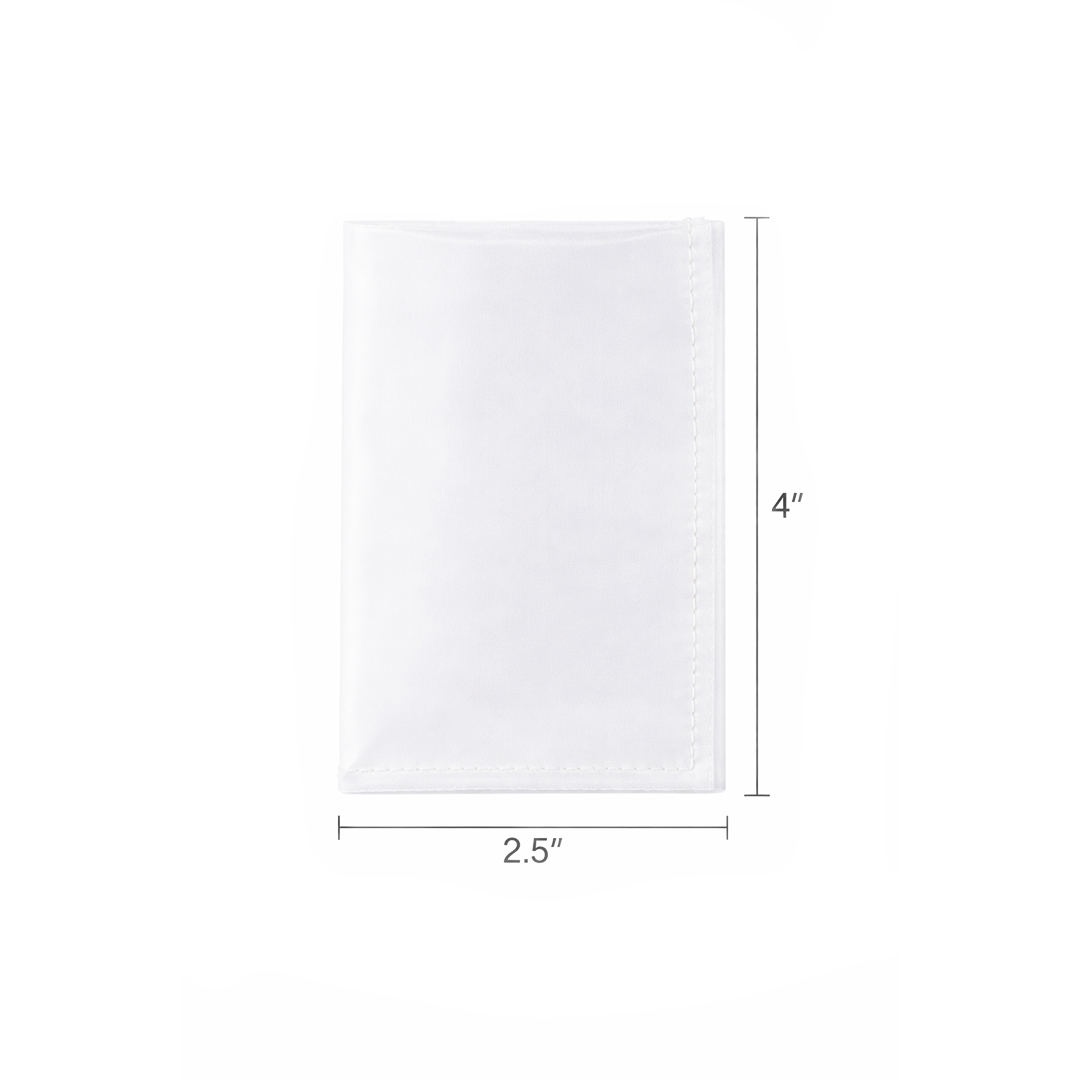
The 2.5 × 4 inch rosin filter bag listing presents inside/outside stitching and sewn/welded options. It also lists 25, 37, 73, 90, 120 and 160 micron choices. Those are catalogue options, not confirmation that every combination has the same availability, price or lead time.
When comparing quotations, hold the mesh and dimensions constant before assessing a seam alternative. If one sample changes the mesh, size and construction simultaneously, it cannot provide a clean comparison of the joint alone. Record each difference and ask the supplier to explain which changes are necessary for the proposed option.
Define finished dimensions and the measurement method
A nominal width and length should be accompanied by a measurement convention. Ask whether the stated dimensions are outside dimensions, internal dimensions or another finished-bag reference. Show the location of the opening, joined edges and any allowance on a simple approved drawing.
Agree dimensional tolerances with the supplier rather than inventing a universal tolerance. Also confirm whether a dimension is checked flat, without stretching, or by another agreed method. The same method should be used for sample approval and incoming inspection.
Keep the bag’s stated size separate from any claimed usable area or capacity. A size label does not establish those additional properties without a defined basis. Where fit matters, request a physical sample for the buyer’s equipment review.
Build a seam-specific sample approval record
| Record item | Evidence to keep |
|---|---|
| Product identity | Sample reference, supplier item code and drawing revision |
| Mesh | Material and micron specification agreed for the sample |
| Construction | Joining method and close-up photographs of the edges and corners |
| Dimensions | Recorded measurements using the agreed method |
| Workmanship | Agreed criteria for loose threads, open joins, damaged mesh and edge finish |
| Evaluation | Test method, conditions, observations and acceptance decision |
| Change control | Which changes require a new sample or written approval |
Visual review can identify workmanship concerns, but it does not establish a mechanical rating. If performance evidence is required, agree the evaluation method and acceptance criteria before comparing results. Ask for results tied to the actual mesh and construction rather than a different bag in the supplier’s range.
Do welded bags always outperform sewn bags?
A construction name alone cannot answer that question. A meaningful comparison needs equivalent products, a stated test method and relevant conditions. This guide does not assign a universal pressure limit, service life or failure-rate advantage to either option.
Similarly, “seamless” may be used commercially to describe a welded construction even though the bag has a joined edge. Ask for a clear description of that edge. Do not interpret the term as proof that there is no joint or that the bag cannot fail.
Write a purchase specification that can be repeated
Use a line-item description such as: “Nylon filter bag; selected micron rating; agreed finished dimensions and tolerance; selected joining method; seam orientation where applicable; approved sample reference; units per pack; label and batch identification requirements.” Complete each field with the confirmed values for your order.
Ask the supplier to obtain approval before substituting thread, mesh, joint construction or finished dimensions. Retain the approved sample and matching documents so a reorder is based on an identifiable specification rather than a previous invoice description alone.
Request samples and construction details
EXTRACTPHYTO is a China-based manufacturer offering standard and custom rosin filter bags. Request a seam-specific sample quotation with your required dimensions, micron rating, preferred construction, quantity and sample evaluation needs. Ask the team to confirm feasible combinations and quotation terms for the exact item.