Ice water extraction depends on controlled separation. When plant material is washed in cold water, resin glands detach and move through a series of filtration screens. The micron rating of each bag determines which particles are captured and which particles pass through. For this reason, choosing the right micron bags for bubble hash is one of the most important decisions in building a consistent solventless workflow. The goal is not simply to collect as much material as possible, but to separate resin in a way that supports purity, yield, drying quality, and downstream processing.
Many operators ask what size micron bags for bubble hash should be used because different bag combinations produce different results. A coarse setup may be faster, but it can allow more plant contamination. A very fine setup may produce cleaner separation, but it may slow drainage and increase handling time. The best approach is to understand how each micron range functions during washing, collection, and pressing. This is especially important when the collected hash will later be pressed into rosin, where questions such as what micron bags for pressing bubble hash and what size rosin bags for bubble hash become part of the same production strategy.
Understanding Micron Bags for Bubble Hash
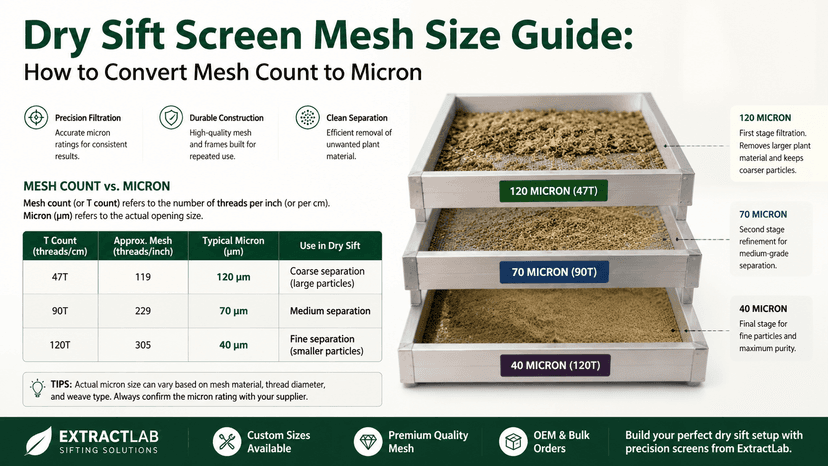
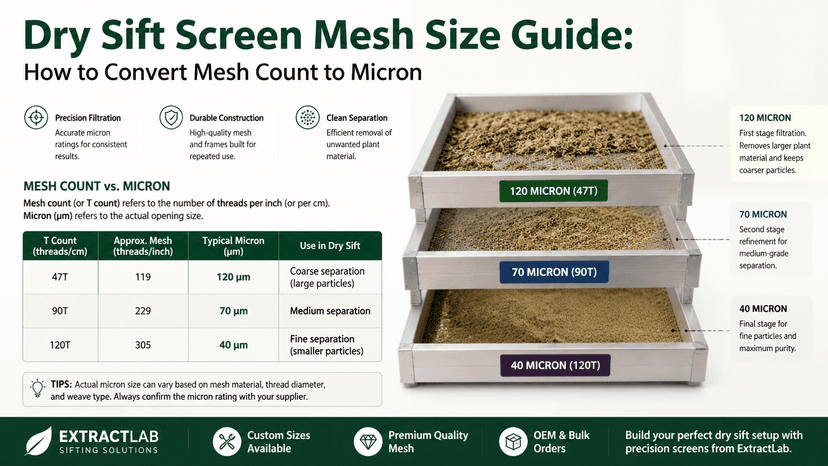
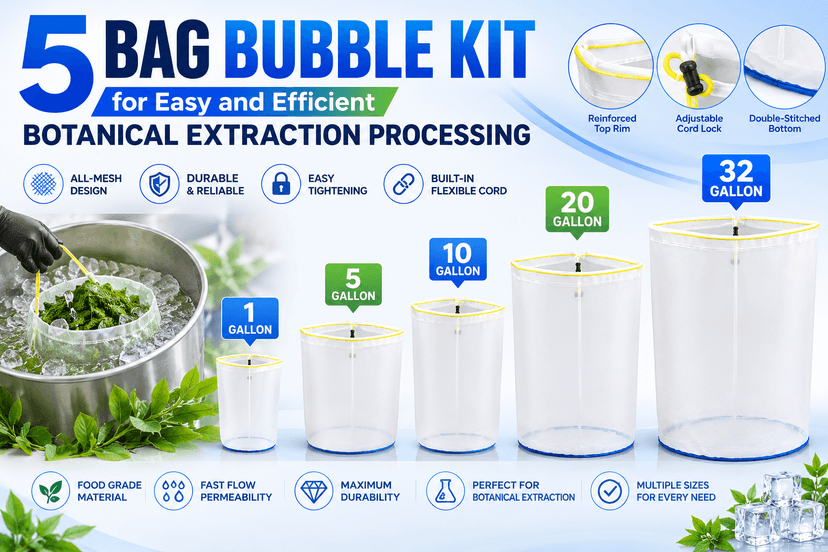
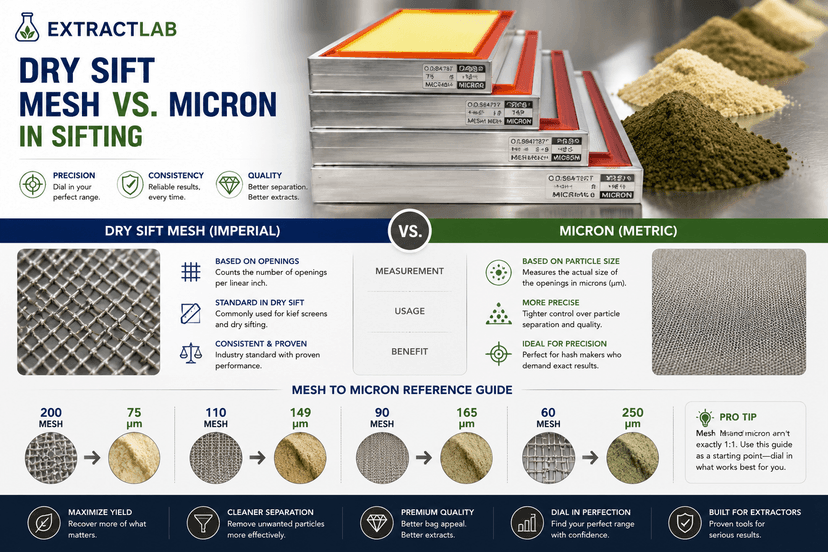
Micron bags for bubble hash are filtration bags made with mesh screens measured in microns. A micron rating refers to the size of the mesh openings. Larger micron numbers allow larger particles to pass or be captured, while smaller micron numbers are used for finer filtration. In ice water extraction, these bags are stacked in sequence so that plant material, resin glands, and fine particles can be separated into different grades.
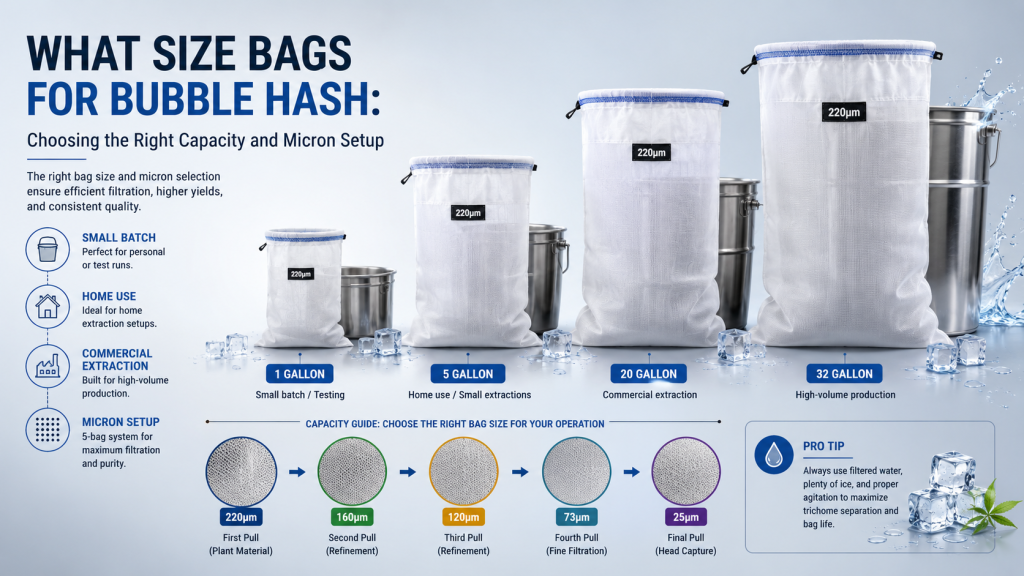
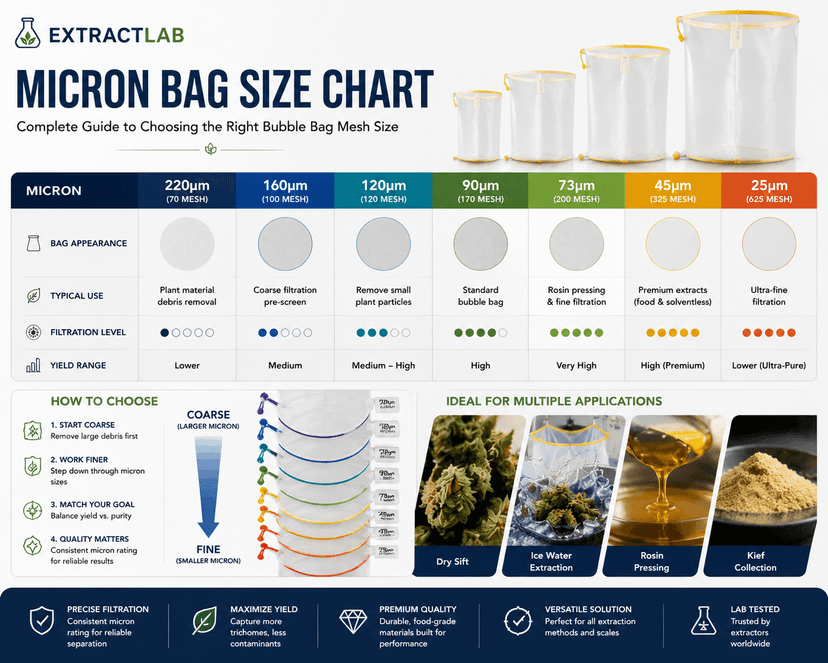
Common micron bags for making bubble hash include 220, 190, 160, 120, 90, 73, 45, and 25 micron screens. The 220 micron bag is usually used as a work bag or coarse filter. It holds plant material and allows resin-bearing water to pass through. The 190 and 160 micron bags often capture larger particles and some resin, but they may also collect more plant material depending on agitation intensity. Mid-range bags such as 120, 90, and 73 micron are commonly valued for cleaner resin collection. Finer bags such as 45 and 25 micron capture smaller resin particles and sediment.
When deciding what size micron bags for bubble hash are suitable, operators should consider the starting material first. Resin head size can vary depending on cultivar, harvest maturity, drying condition, and storage method. Some material produces larger resin heads that collect well in the 90 to 120 micron range, while other material may produce valuable resin in the 73 or 45 micron range. This variation is why a fixed micron setup does not perform identically across every batch.
The function of each bag also depends on how the material is washed. Gentle agitation tends to preserve resin quality and reduce contamination, while aggressive agitation may increase yield but introduce more broken plant matter. Even high-quality micron bags for bubble hash cannot correct poor washing technique. The best results come from matching bag selection with controlled agitation, cold water, clean ice, and careful collection.
Choosing Micron Bags for Making Bubble Hash
A practical extraction setup usually includes a combination of coarse, intermediate, and fine filtration bags. The coarse bags protect the collection layers by removing larger plant material early in the process. Intermediate bags help classify resin into useful grades. Fine bags capture smaller resin particles that may still have value but require more careful drying and handling.
For many processors, a balanced set of micron bags for making bubble hash includes 220, 160, 120, 90, 73, 45, and 25 micron options. This configuration provides enough separation to understand how resin is distributed across different particle sizes. A smaller setup may include fewer bags, such as 220, 160, 73, and 25 micron. This can be efficient for simple workflows, but it provides less grading detail.
The 73 micron bag is often considered one of the most useful collection bags because it frequently captures resin with a strong balance of cleanliness and yield. However, the best collection range can shift depending on the material. Some batches may perform better in the 90 micron bag, while others may provide valuable material in the 45 micron bag. For this reason, operators should avoid assuming that one micron size is always superior.
When choosing micron bags for bubble hash, drainage performance and mesh stability also matter. A bag with inaccurate mesh openings or weak stitching can reduce process reliability. Food-grade materials, reinforced seams, and smooth mesh surfaces improve both safety and usability. Clean collection is easier when resin releases from the mesh without excessive scraping, and consistent mesh tension helps maintain predictable filtration across repeated wash cycles.
What Micron Bags for Pressing Bubble Hash
After bubble hash has been collected and properly dried, it may be pressed into rosin. This stage requires a different type of filtration bag. Washing bags are designed for ice water separation, while rosin bags for bubble hash are designed to contain dried resin under heat and pressure. They are not interchangeable because the mechanical demands are different.
Operators often ask what micron bags for pressing bubble hash should be used because pressing bag size affects flow, containment, clarity, and yield. Common rosin bag sizes for bubble hash include 15, 25, 37, and 45 micron. These are much finer than typical washing bags because the purpose is to keep hash particles inside the bag while allowing resin oil to flow out during pressing.
The answer to what size micron bags for pressing bubble hash depends on the quality and texture of the dried hash. Clean, high-grade bubble hash is often pressed in 15, 25, or 37 micron bags. A 25 micron bag is a common starting point because it provides tight containment while still allowing reasonable oil flow. A 37 micron bag may improve flow and yield, especially with resin that is slightly more difficult to press. A 15 micron bag can provide very fine filtration, but it may restrict flow if the material is not prepared correctly.
For operators asking what size rosin bags for bubble hash are appropriate, the pressing method should also be considered. Lower-temperature pressing may require more patience and careful pressure control, while higher pressure can increase the risk of bag blowouts. A finer bag under excessive pressure may restrict oil movement and stress the seams. A slightly larger micron bag may release oil more easily, but it may also allow more fine particulate into the rosin if the hash is not clean enough.
Selecting the Best Rosin Bags for Bubble Hash
The best rosin bags for bubble hash should combine proper micron size, strong seam construction, heat resistance, and dimensional stability. During pressing, the bag is exposed to compression and temperature. If the mesh stretches, the seams split, or the bag is overfilled, the material can escape and contaminate the rosin. This creates waste and interrupts production.
The best bags for pressing bubble hash are usually selected according to resin grade. Higher-quality hash generally benefits from finer rosin bags because the resin is already clean and does not require aggressive filtration. Lower-grade hash may need a slightly larger bag to support better oil flow, but it may also produce darker or less refined rosin. Operators should test small batches before committing a full production run to one bag size.
Bag dimensions are also important. Rosin bags for bubble hash should match the press plates and the amount of material being loaded. Overfilling the bag can cause uneven pressure and increase the risk of rupture. Underfilling can reduce efficiency because the material may not spread evenly during pressing. Proper loading, pre-pressing, and gradual pressure application help improve consistency.
When comparing the best rosin bags for bubble hash, buyers should also consider whether the bags are suitable for food-contact applications and whether they are manufactured with reliable micron consistency. A bag labeled as 25 micron should perform consistently across the mesh surface. Inconsistent material can affect oil clarity and process repeatability. For professional workflows, consistency matters as much as the micron number itself.
Building a Complete Micron Strategy
A complete micron strategy separates the washing stage from the pressing stage. Micron bags for making bubble hash are used to separate resin in cold water, while rosin bags for bubble hash are used to press dried resin into oil. Both products use micron ratings, but they serve different functions. Understanding this difference helps operators choose equipment more accurately and avoid using the wrong bag for the wrong process.
For washing, operators should choose micron bags for bubble hash that provide enough separation for their quality goals. A basic set can support simple extraction, while a larger set allows better grading and process analysis. If the goal is high-quality loose hash, careful separation in the 120, 90, 73, and 45 micron ranges may be especially important. If the goal is rosin production, the operator should identify which collected grades press well and then select the correct pressing bag for those grades.
For pressing, the practical range is usually 15 to 45 micron. When asking what size micron bags for pressing bubble hash, many operators begin with 25 or 37 micron because these sizes offer a useful balance between containment and flow. A 15 micron bag may be chosen for very clean, premium material. A 45 micron bag may be selected when faster flow or higher yield is prioritized, provided the hash quality can support it.
Choosing what micron bags to use for bubble hash requires a clear understanding of material behavior, filtration goals, and final product requirements. The right washing bags support clean resin separation, while the right pressing bags protect rosin quality during heat and pressure. By selecting reliable micron bags for bubble hash, using appropriate micron bags for making bubble hash, and matching the best bags for pressing bubble hash to the quality of the dried material, operators can improve consistency, reduce waste, and build a more controlled solventless extraction process.