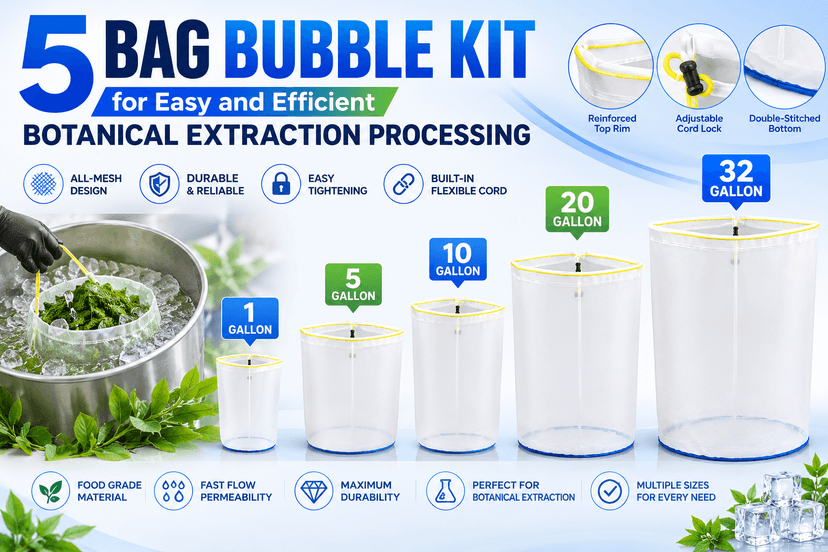
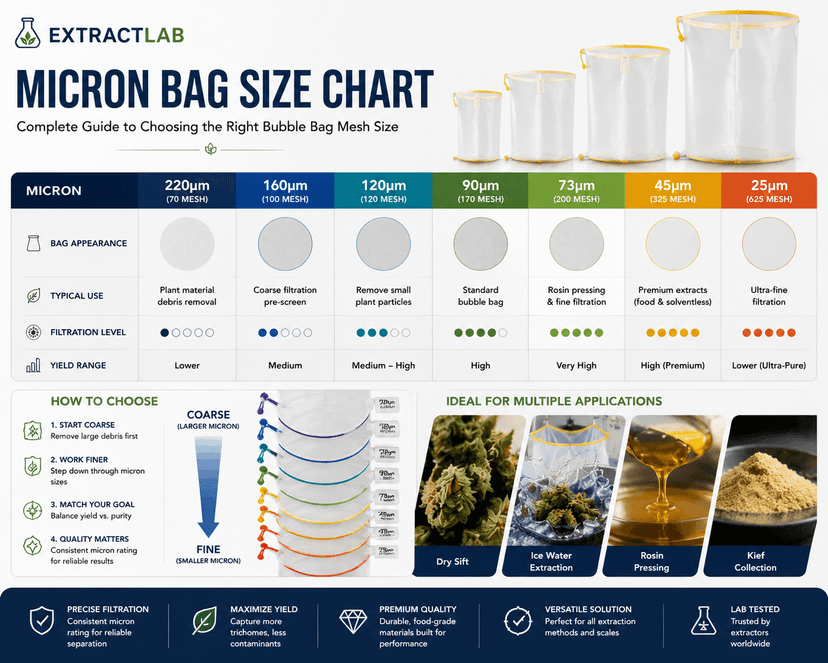
In the world of solventless concentrates, 20 gallons is the “Point of No Return.” It is the bridge between boutique home-growing and commercial-scale production. While 5-gallon bags are great for “test washes,” the 20 gallon bubble hash bags are designed to handle up to 2 lbs (900g+) of dry trim or several kilograms of fresh-frozen material per run.
At this volume, the weight of the water and ice alone is enough to shred low-quality seams. If you’ve ever had a bag fail mid-pull, dumping five gallons of resinous slurry back into the bucket, you know that “cheap” bags are the most expensive mistake you can make. This guide explores the engineering, physics, and commercial logic behind the professional 20-gallon extraction world.
1. Why 20 Gallons? The ROI of Scale
Why move up to 20 gallon bubble bags? It’s a simple matter of math and labor costs.
-
Time Efficiency: A 20-gallon machine (like the Bubble Magic or Bruteless) processes roughly 4x the material of a 5-gallon unit in the same 15-minute wash cycle.
-
Labor ROI: In a commercial setting, labor is your highest expense. Washing a large harvest in 20-gallon batches reduces your “wash days” significantly, freeing up staff for drying, pressing, and packaging.
-
Thermal Mass: A larger volume of water holds its temperature longer. In a 20-gallon vessel, once you hit the $0^{\circ}C$ mark, the “cold inertia” makes it much easier to maintain peak extraction temperatures throughout multiple runs.
2. The Material War: All-Mesh vs. Canvas Sidewalls
For 20-gallon loads, the choice of material is a critical operational decision.
The Case for All-Mesh Bags
In 2026, All-Mesh 20 gallon bubble bags have become the industry favorite.
-
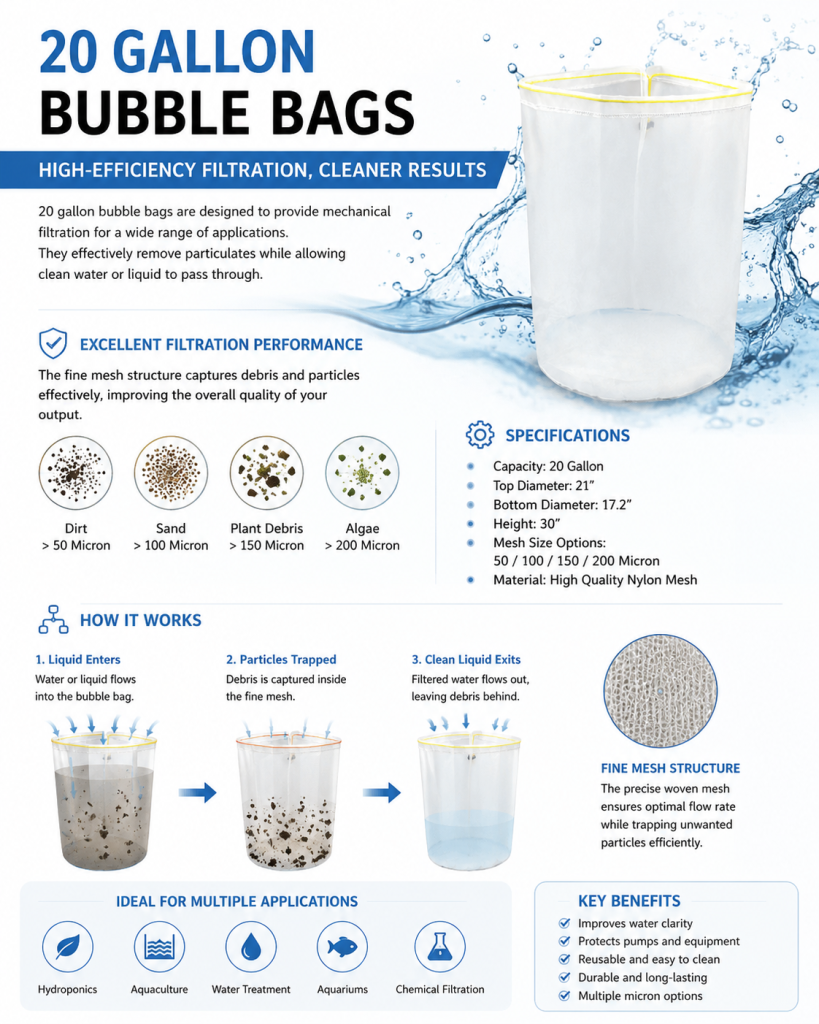
Drainage Speed: When you are lifting 20 gallons of water, drainage speed isn’t just about convenience—it’s about safety. All-mesh bags allow water to exit through the sides and the bottom, reducing the physical strain on the operator.
-
Contamination Control: Traditional canvas bags can “flake” over time. Dye-free, food-grade monofilament nylon mesh ensures that no synthetic fibers or waterproof coatings end up in your 6-star melt.
The Case for Traditional Canvas
-
Ruggedness: Heavy-duty canvas (like 800-thread count nylon) is incredibly tough. If you are using a mechanical agitator that might rub against the bags, canvas sidewalls offer a layer of “armor” that all-mesh sometimes lacks.
3. Engineering for “The Heavy Lift”
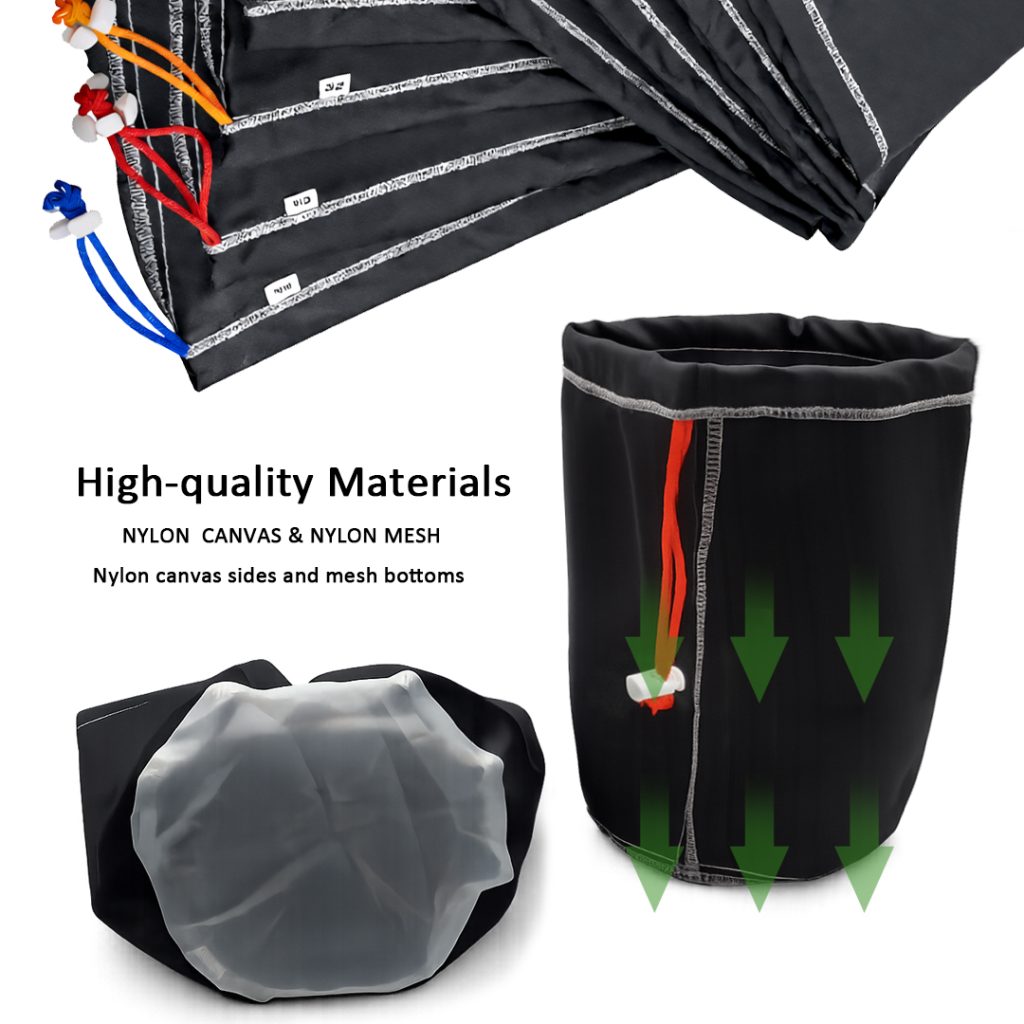
A 20-gallon bag needs to hold the weight of a small human when full. When shopping for 20 gallon bubble hash bags, look for these “Non-Negotiable” features:
-
Reinforced Seams: Look for “Pink Stitching” or triple-stitched, heat-sealed seams. The bottom-to-side-wall connection is the #1 failure point; it must be industrial-grade.
-
Military-Grade Drawstrings: At this scale, you cannot rely on flimsy cords. You need high-tension drawstrings with heavy-duty cord locks that can securely grip the rim of a 20-gallon Brute trash can or a stainless steel vessel.
-
Monofilament Accuracy: Cheaper bags use multifilament mesh (which is like a sponge for resin). Professional bags use monofilament nylon, where each strand is a single smooth wire. This prevents “blinding” (clogging) and ensures that your yield slides off the mesh effortlessly.
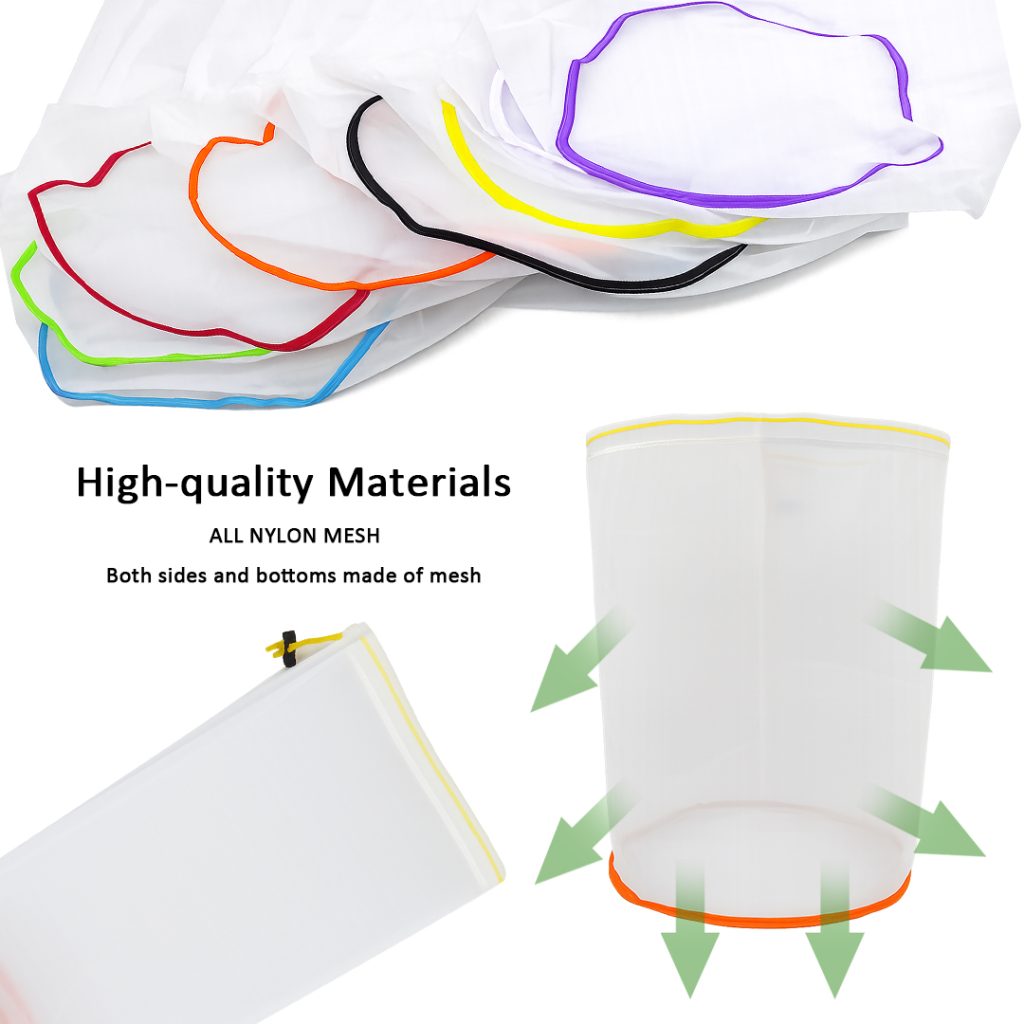
4. The Pro Micron Stack: Commercial Grade
Most commercial extractors don’t use 8 bags for every run. They use a “Lean Stack” to maximize speed without sacrificing purity.
| Micron Layer | Function | Why it matters in 20G batches |
| 220μm | The Work Bag | Holds the 2 lbs of trim; prevents leaf shatter. |
| 160μm | The Guard | Essential in large batches to catch “micro-greenery.” |
| 120μm | The Premium | Isolates the large, bulbous “heady” trichomes. |
| 73μm | The Winner | The universal collector for the highest quality rosin. |
| 25μm / 45μm | The Bottom | Catching the “fines” for edibles; drains slowly. |
Pro Strategy: Many commercial labs use a 4-bag set (220, 160, 73, 25) for efficiency, only breaking out the 8-bag set for “Pheno-hunting” or high-value Live Rosin runs.
| Product Name | Bottom Mesh Color | Bottom Image | Mesh micrometer diagram | Bag uses |
| 25 Micron Bag | Purple-Food Grade | 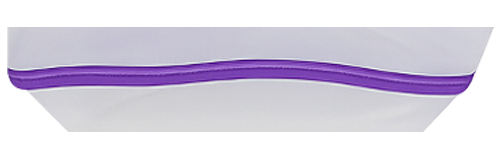 |
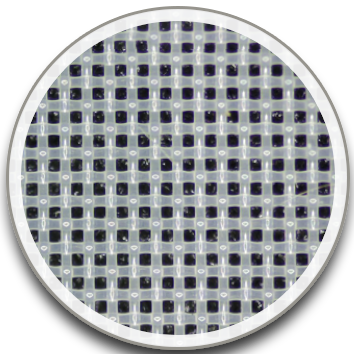 |
Suitable for high-precision filtration, effectively intercepting fine particles, ideal for fine plant extraction. |
| 45 Micron Bag | White-Food Grade | 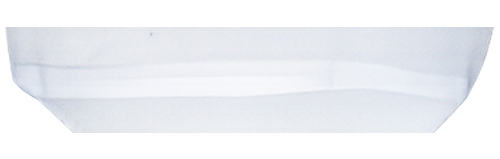 |
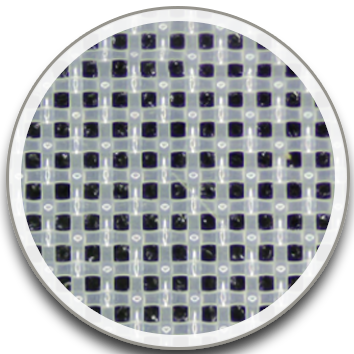 |
Suitable for high-precision filtration, effectively intercepting fine particles, ideal for fine plant extraction. |
| 73 Micron Bag | Yellow-Food Grade | 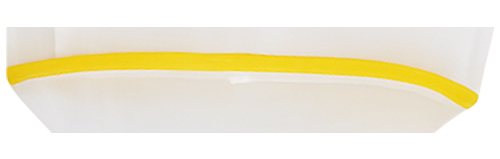 |
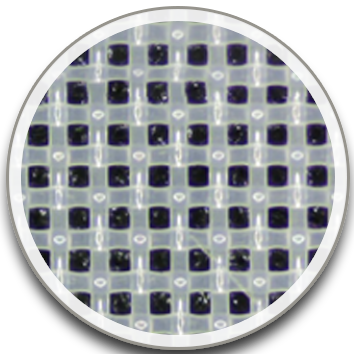 |
High filtration precision, suitable for extraction filtration of most plant powders or finely crushed materials. |
| 90 Micron Bag | Black-Food Grade | 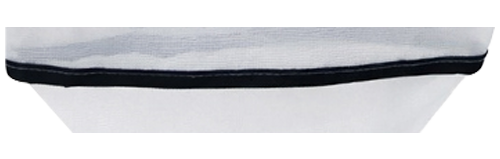 |
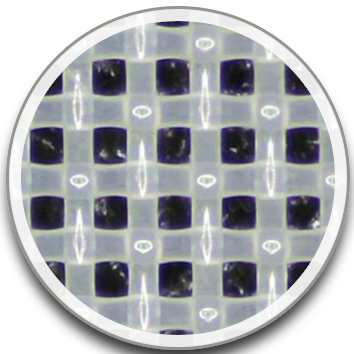 |
Balances filtration efficiency and flow rate, suitable for extraction of conventional plant raw materials. |
| 120 Micron Bag | Orange-Food Grade | 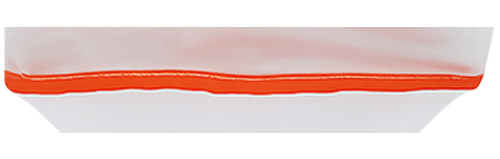 |
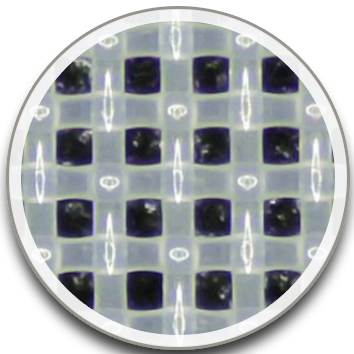 |
Suitable for filtration of coarse particles, with a faster flow rate and reduced clogging. |
| 160 Micron Bag | Red-Food Grade |  |
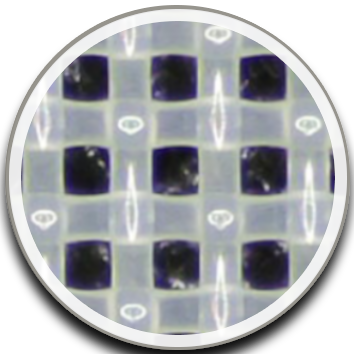 |
Suitable for coarse filtration or pre-filtration stages, improving overall extraction efficiency. |
| 190 Micron Bag | Green-Food Grade | 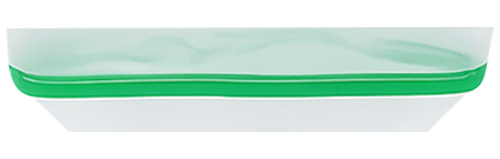 |
|
Suitable for coarse filtration or pre-filtration stages, improving overall extraction efficiency. |
| 220 Micron Bag | Blue-Food Grade | 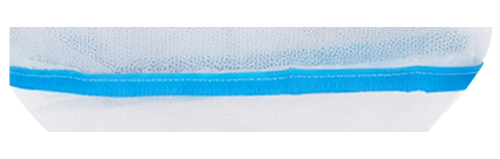 |
|
Primary work bag- Used for initial extraction and bulk material holding. |
5. Fitment and Compatibility
The beauty of the 20 gallon bubble bags is their versatility. They are designed to fit:
-
Standard 20-Gallon Trash Cans: Like the Brute series, which are food-safe and virtually indestructible.
-
Washing Machines: Directly compatible with the 20-gallon Bubble Magic or Rosineer machines.
-
Custom Vessels: Fits the Hashtek, PurePressure Bruteless, and Triminator Maker systems perfectly.
Tip: Always measure the diameter of your vessel. A “20-gallon” bag usually has a diameter of 20 inches, but some industrial drums are wider. Ensure your bags have enough “overhang” to be secured properly.
6. Commercial Workflow: Maximizing Your 20-Gallon Run
To get the most out of your 20 gallon bubble hash bags, you need to manage the “Vortex.”
-
The Pre-Chill: Never put your material into dry water. Fill your vessel with ice and water and let it sit until the water is $0^{\circ}C$ to $4^{\circ}C$.
-
The Soak: Let your material soak for 20 minutes before agitation. This makes the leaves leathery and the trichomes brittle.
-
The Rinse: Because of the sheer volume of material in a 20-gallon bag, pigments (anthocyanins) can build up. Use a high-pressure cold-water sprayer to “wash” the resin in each bag. This “cleaning” step is what separates “greenish” hash from “blonde” hash.
7. Cleaning and Maintenance (The “Commercial Life” Rule)
In a production environment, you don’t have time to scrub bags for hours.
-
Immediate Inversion: As soon as the hash is collected, turn the bag inside out and spray it with high-pressure cold water.
-
ISO is the Last Resort: Isopropyl alcohol can eventually degrade the waterproof coatings on the sidewalls. Use it only on the mesh, and only when “blinding” occurs.
-
Air Dry or Die: Mold is the only thing that can kill a high-quality nylon bag. Hang your bags in a well-ventilated area (some pros use a dedicated drying rack with a fan) until they are bone-dry before storage.
FAQ: Professional Inquiries
Q: How much trim can I fit in one 20-gallon run?
A: You can comfortably process 2 lbs (approx. 900g) of dry trim or roughly 4-5 lbs of fresh frozen material. Overloading will reduce agitation and lower your yield.
Q: Are all-mesh bags durable enough for a washing machine?
A: Yes, provided they are made from high-tenacity nylon. However, many pros use a canvas “Work Bag” (220μm) inside the machine and all-mesh bags for the collection stack in the bucket.
Q: Why is my 25-micron bag stalling?
A: In a 20-gallon batch, the weight of the water can compress the “fines” (dust and broken stalks) against the 25μm mesh, creating a seal. Gently lifting and lowering the bag, or “burping” it, will break the seal and allow drainage to resume.
Conclusion: Scale Up with Confidence
Moving to 20 gallon bubble hash bags is a strategic step toward more efficient and scalable precision extraction. With durable monofilament mesh, reinforced commercial seams, and fast-draining construction, these bags are engineered to deliver consistent filtration performance and help preserve valuable trichomes during large-batch processing.
As one of the most practical precision extraction solutions for commercial and high-volume operators, quality bubble hash bags play a critical role in maximizing yield, reducing contamination, and maintaining product consistency. By investing in professional-grade equipment, you can optimize every stage of the extraction process and achieve reliable, repeatable results.