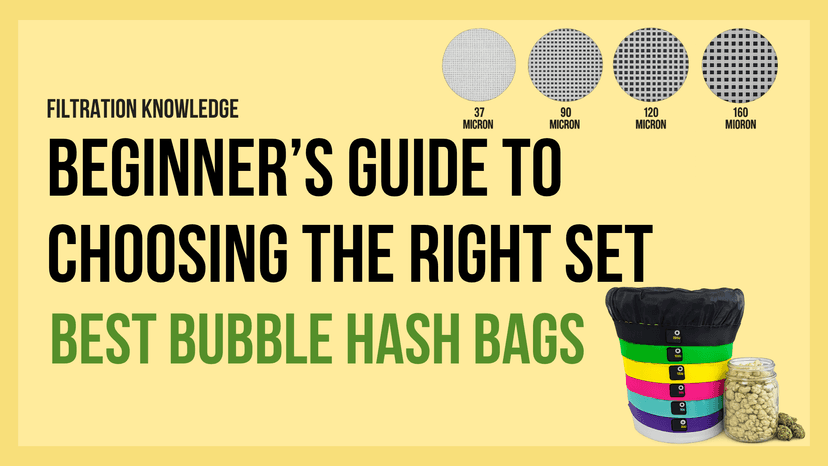
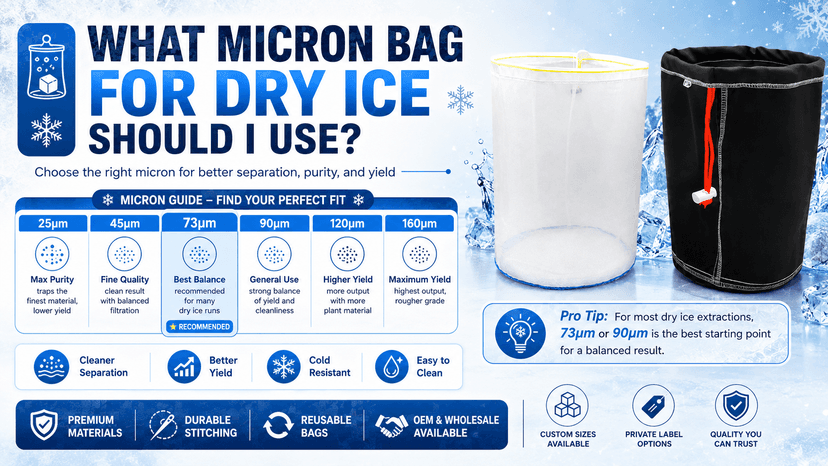
In ice water extraction, the number of filtration bags used in a workflow has a direct impact on separation accuracy, processing speed, resin grading, and final material consistency. Buyers evaluating Bubble Hash Bags often compare different set configurations because each bag count provides a different balance between simplicity and control. A small set can reduce handling time and support basic extraction, while a larger set can provide more detailed separation across multiple micron levels. For processors seeking repeatable results, understanding how many bags for bubble hash are needed is an important step before purchasing equipment.
Bag set selection should not be based only on quantity. The value of a set depends on its micron structure, material quality, capacity, and compatibility with the intended washing method. Whether a buyer chooses a 3 bag bubble hash setup, a 4 bag bubble hash setup, or a more complete 8 bag bubble hash bags system, the goal remains the same: clean resin separation, stable drainage, and efficient collection. A well-designed bag set helps reduce contamination, improve workflow control, and support long-term reliability in solventless processing.
Understanding Bubble Hash Bag Set Configurations
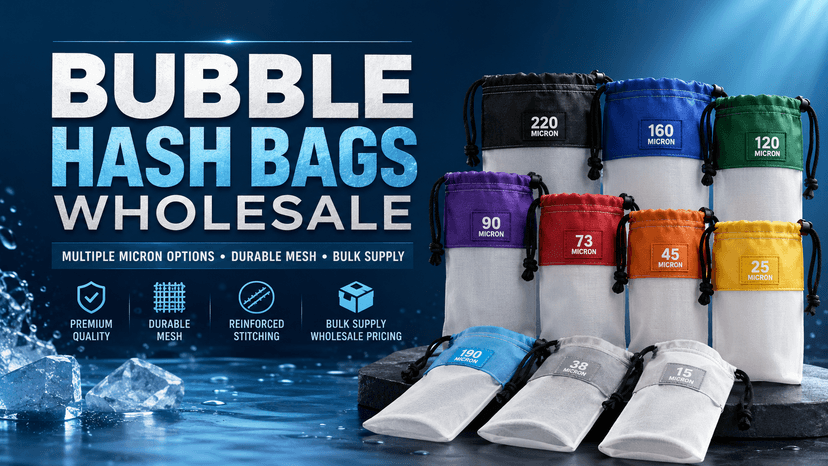
Bubble Hash Bags are typically sold in sets containing multiple micron-rated filtration layers. Each bag serves a specific function in the extraction process, from catching large plant material to collecting finer resin particles. The number of bags in the set determines how many separation stages the material passes through. This is why many users ask how many bags for bubble hash are actually necessary before starting an extraction workflow.
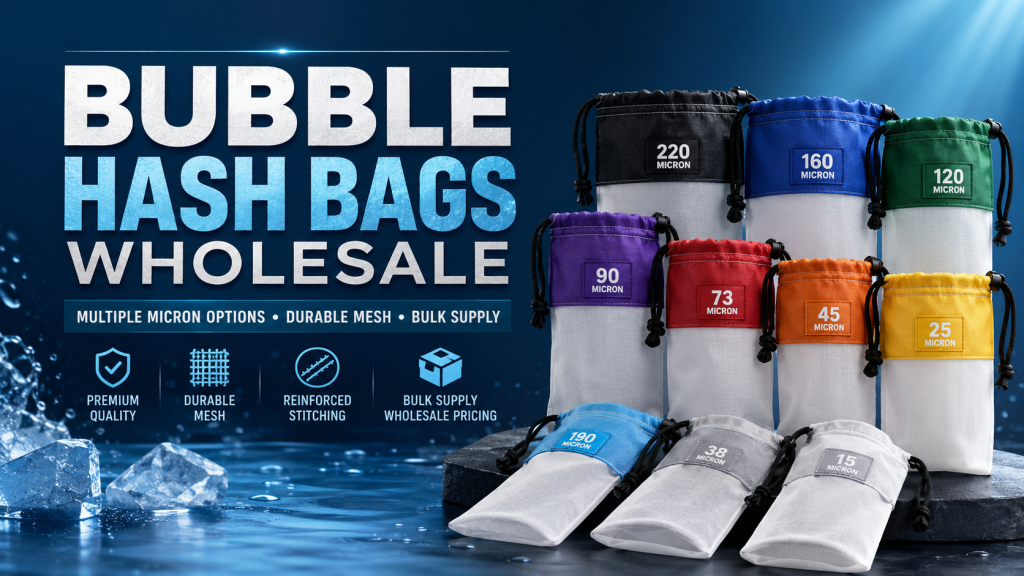
A 3 bag bubble hash configuration is usually designed for simple processing. It may include one coarse work bag, one mid-range collection bag, and one fine filtration bag. This type of setup is easier to handle, faster to clean, and suitable for users who want a basic separation process without managing multiple resin grades. However, because the filtration range is limited, the final collection may combine resin particles that a more advanced set would separate into different quality levels.
A 4 bag bubble hash setup provides slightly more separation control while still remaining practical for small operations. By adding another micron stage, the user can improve resin grading and reduce the amount of mixed material in each collection layer. This type of set is often useful for beginners who want better filtration than a three-bag system but do not yet need the complexity of an eight-bag configuration. It offers a balanced starting point for users learning the order of bags for bubble hash and developing consistent washing procedures.
Comparing 5-Bag and 8-Bag Systems
A 5 bubble bag setup is often selected by users who want a practical middle ground between simplicity and precision. With five filtration layers, the process can include coarse separation, intermediate screening, primary resin collection, and fine particle capture. This structure provides more control than smaller sets while still keeping handling and cleaning demands manageable. For small commercial users or frequent home processors, a five-bag system can provide strong cost efficiency and reliable workflow performance.
The key advantage of a 5 bubble bag set is flexibility. It allows operators to evaluate different resin fractions without requiring the time investment of a larger set. Users can identify which micron layers produce the cleanest material and adjust agitation time or washing technique accordingly. This makes a five-bag configuration useful for process development, especially when working with different plant materials or batch conditions.
An 8 bag bubble hash system provides the highest level of separation among common consumer and professional bag sets. With more micron stages, operators can isolate resin into narrower size ranges and evaluate each grade independently. This is especially valuable for users who prioritize product classification, detailed yield tracking, and consistent quality control. An 8 bag bubble hash bags set may include several collection layers that help distinguish between full-melt quality resin, general-grade hash, and finer sediment fractions.
The increased control of an 8 bubble bags system also requires more time and care. Each bag must be drained, collected, rinsed, dried, and cleaned after use. For experienced operators, this additional work can be worthwhile because the resulting separation data and grade control are more precise. For users who value maximum filtration detail, an 8 bag bubble kit can support a more structured and professional extraction workflow.
Order of Bags for Bubble Hash
The correct order of bags for bubble hash is essential for efficient separation. In most systems, the bags are stacked from the smallest micron at the bottom to the largest micron at the top. When the wash water is poured through the stack, the largest screen receives the material first and removes coarse plant matter. The water then moves downward through progressively finer screens, allowing each bag to capture resin particles within a specific size range.
Understanding bubble bag hash order helps prevent workflow mistakes that can reduce yield or mix grades. If the bags are stacked incorrectly, fine resin may be trapped too early, or larger contaminants may pass into collection layers where they do not belong. Proper sequencing supports cleaner separation and makes resin collection more predictable. For this reason, the bubble bag hash order should always be confirmed before each wash cycle, especially when using larger sets with many micron levels.
A simple 3 bag bubble hash setup may be easier to arrange because there are fewer layers, but correct placement still matters. A 4 bag bubble hash or 5 bubble bag system requires more attention to sequence because each additional stage affects how material is separated. With an 8 bag bubble hash configuration, operators should be especially careful, as one misplaced bag can compromise several resin grades at once.
The order of bags for bubble hash should also match the intended process. Some users wash directly in a work bag, while others agitate material separately and then pour the mixture through the filtration stack. In both methods, the larger micron screens perform coarse separation first, while the finer screens capture smaller particles later. Maintaining the correct bubble bag hash order supports stable drainage, cleaner collection, and more consistent final output.
Matching Bag Quantity to Production Needs
Choosing the right number of bags depends on production volume, quality targets, experience level, and available time. A 3 bag bubble hash set is suitable for users who want a simplified process with fewer steps. It can be effective for basic extraction, training, or low-volume use. Its main advantage is convenience, while its limitation is reduced grading precision.
A 4 bag bubble hash set offers improved control without making the workflow too complex. It is a good option for users who want cleaner separation than a basic setup but still prefer a manageable number of bags. The additional filtration layer can help improve collection quality and give operators more insight into resin distribution across micron sizes.
A 5 bubble bag set is suitable for users who want balanced performance. It provides enough separation stages to produce meaningful resin grades while keeping the workflow efficient. This type of setup is often preferred by operators who process regularly but do not require the full grading detail of an eight-bag system. It supports cost efficiency by offering practical separation without excessive handling time.
An 8 bag bubble kit is better suited to advanced users, higher-quality production goals, or operations that need detailed resin classification. The additional bags create more collection points, allowing users to separate material more precisely. However, an 8 bag bubble hash workflow requires disciplined handling, careful cleaning, and proper storage. Buyers should choose this configuration when they are prepared to manage the additional operational steps.
Quality, Cleaning, and Long-Term Reliability
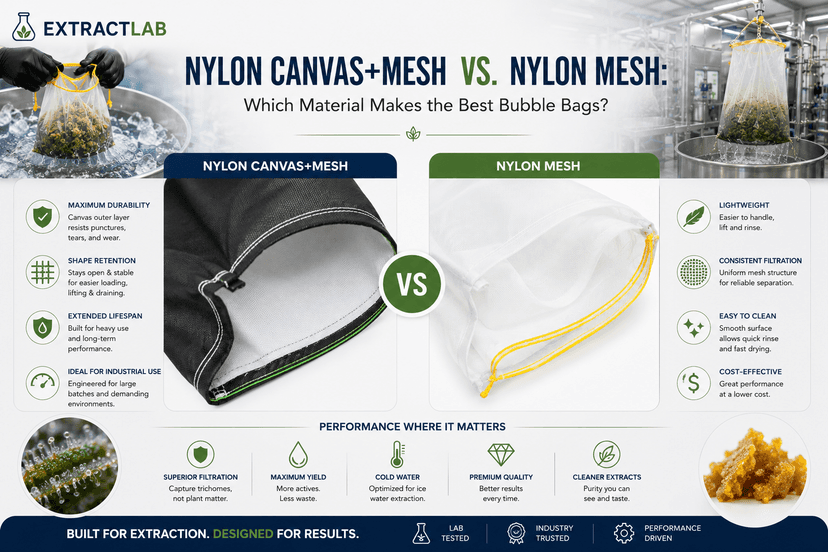
Regardless of bag count, material quality remains a central purchasing factor. Bubble Hash Bags should be made from food-grade materials with stable mesh, reinforced seams, and clearly marked micron ratings. A larger set is not automatically better if the mesh is inconsistent or the stitching fails during use. Quality construction ensures that every bag in the set performs its intended function throughout repeated washing cycles.
Cleaning is also affected by the number of bags. A 3 bag bubble hash set is faster to rinse and dry, while an 8 bubble bags system requires more maintenance after each wash. Resin buildup can clog mesh openings and reduce filtration accuracy, so every bag should be rinsed promptly after use. Complete drying before storage helps prevent odor, mold, and material degradation.
For frequent use, durability contributes directly to long-term cost efficiency. Reinforced stitching, smooth mesh surfaces, and strong sidewalls help reduce replacement frequency and maintain consistent performance. Whether the user selects a 5 bubble bag setup or an 8 bag bubble hash bags configuration, long-term reliability depends on both product construction and proper maintenance practices.
The right bag set should match the user’s workflow rather than simply offering the highest number of bags. A smaller set can be practical for simple extraction, while a larger set can provide advanced grading control. By understanding how many bags for bubble hash are needed, following the correct bubble bag hash order, and choosing food-grade filtration materials, buyers can build a more reliable solventless extraction process with better consistency and operational efficiency.