Nylon generally absorbs more moisture and offers more elasticity than polyester; polyester’s lower moisture uptake can be useful where dimensional stability matters. Neither material name alone establishes the better finished rosin filter bag. Buy against the documented material grade, mesh and joint construction, and the conditions your equipment supplier permits—not a universal “nylon wins” or “polyester wins” claim.
This guide is for buyers comparing polymer materials before requesting a consumable sample or bulk quote. It separates general textile evidence from the performance of the actual finished bag.
Why do rosin bag suppliers name different materials?
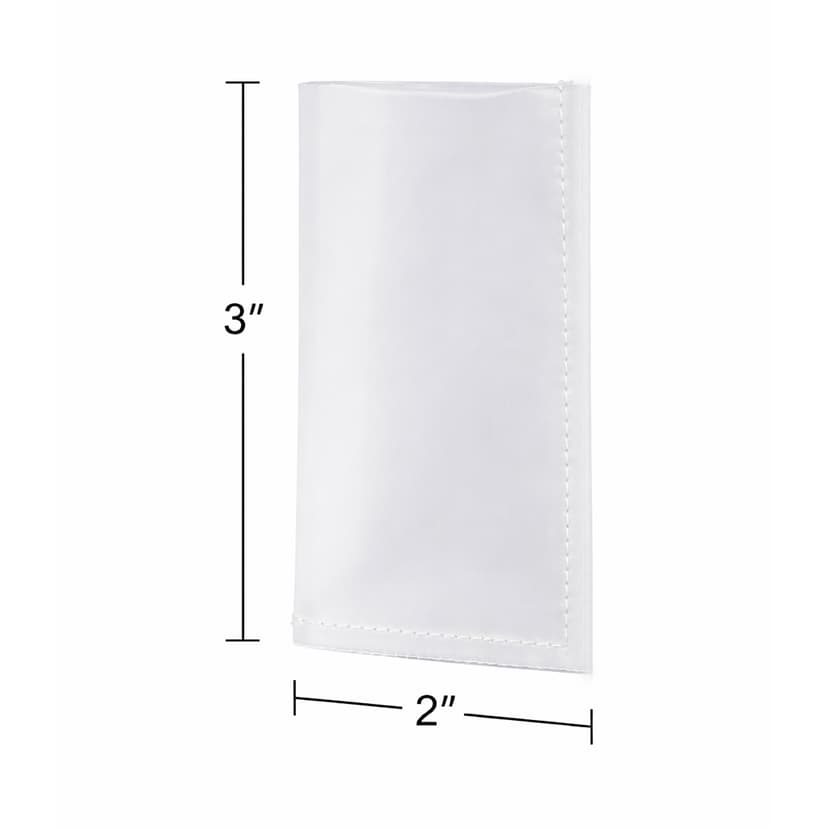
The Rosin Tech Products FAQ identifies its bag mesh as polyester. EXTRACTPHYTO’s 2 × 3 inch filter bag listing specifies nylon. These declarations show that buyers encounter both materials; they do not constitute a controlled comparison between those products.
Ask for the precise mesh material and, for sewn bags, the thread material separately. Nylon is a family of polyamides, not one universal grade. A material used in the seam does not necessarily identify the mesh. Keep those descriptions separate on the supplier specification.

Moisture behavior: a real difference with a defined basis
Coats’ textile-fibre reference lists typical moisture regain of 4.0–4.5% for nylon and 0.4–0.8% for polyester, expressed relative to moisture-free weight at 70°F and 65% relative humidity. These are general fibre reference values, not test results for EXTRACTPHYTO bags.
The purchasing implication is to agree the condition in which samples and dimensions are compared. A specimen taken from different storage conditions should not be treated as a controlled material comparison. The reference values are not percentages of bag expansion and cannot be converted directly into a dimensional tolerance.
Elasticity: useful behavior is not the same as strength
Filter-mesh manufacturer Nittoku describes nylon’s elasticity and higher water absorption, and polyester’s low moisture uptake. This gives a material-level reason to ask about flexibility and dimensional behavior separately.
More stretch is not automatically a stronger or more suitable bag. A buyer may need flexibility, shape retention or a particular fit, and those requirements can pull in different directions. Request evidence for the finished mesh and joint rather than inferring a burst rating from a fibre’s elasticity. General mesh information does not establish a finished bag’s pressure limit.
| Material question | General evidence | Procurement implication |
|---|---|---|
| Moisture uptake | Nylon is typically more moisture-absorbing than polyester | Agree sample conditioning and measurement basis; do not infer dimensional change from moisture regain |
| Elastic behavior | Nylon is commonly described as highly elastic; polyester offers lower moisture sensitivity | Specify the behavior that matters to your fit and request finished-item evidence |
| Thermal description | Different polymer grades have different thermal properties | Obtain the actual grade and manufacturer-approved limits for the complete bag |
| Mesh and joint | Both material families can be made into different constructions | Keep aperture, dimensions and edge construction explicit when comparing quotations |

Do not turn a melting point into a bag operating limit
Coats distinguishes Nylon 6, Nylon 66 and polyester types in its thermal-property table. A single “nylon temperature” therefore hides a grade question. More importantly, a fibre melting point does not establish the permitted conditions for a finished mesh bag with sewn or welded edges.
Ask the bag supplier for guidance covering the exact finished item and intended application. Ask the equipment maker to resolve compatibility. If a seller claims lower shrinkage, higher strength or longer life, request the method and conditions supporting that specific claim. This article assigns no universal temperature, pressure, service-life or certification rating to EXTRACTPHYTO bags.
Turn the material comparison into a useful sample request
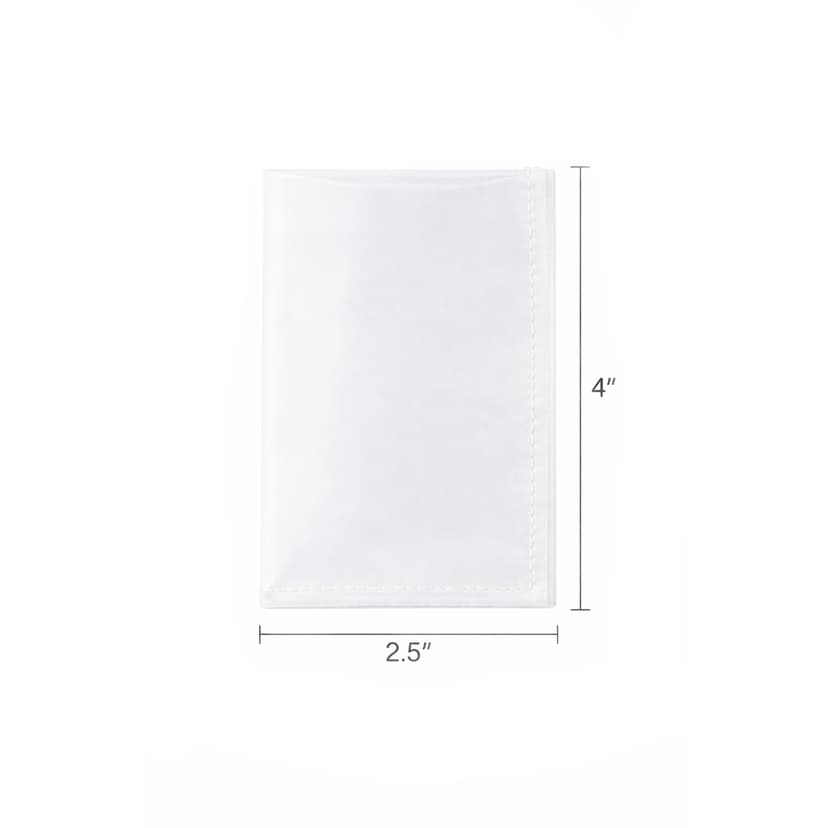
State which material-related uncertainty matters: dimensions after agreed conditioning, flexibility, joint construction or required material documentation. Keep the nominal aperture and finished size comparable where possible. If several features differ, evaluate the complete proposed products and avoid attributing the result solely to nylon or polyester.
For the full approval process, use the existing supplier-change qualification guide. For joining methods, use the sewn and welded specification guide. Those pages handle the general workflow; this comparison identifies the polymer questions to add.

Request a documented nylon candidate from EXTRACTPHYTO
EXTRACTPHYTO is a China-based manufacturer with a nylon rosin filter bag range, standard and custom size enquiries, and listed sewn or welded options. Contact the team for the nylon side of your comparison. Polyester finished-bag supply and comparative performance testing have not been established here.
- Current bag reference or drawing and the material being compared.
- Finished dimensions, micron specification and required joint construction.
- Equipment model, intended application and material documents required.
- The specific uncertainty your sample review must resolve.
- Estimated quantity, packaging needs and destination country/postal code.
Request a nylon comparison sample and quote or use the EXTRACTPHYTO contact page. On the form, include this article URL and reference RF-MATERIAL-20261116 in your message. Email: [email protected].
If a specification, budget or quantity is undecided, describe what you know and mark the remaining items as questions. Availability, minimum quantities, sample charges, payment terms, freight and delivery timing require written confirmation for the actual order.
Technical references, supplier FAQ and official catalogue images reviewed 16 November 2026. General fibre data are distinguished from product-specific claims throughout.