Choose one bulk dry sift screen order when the specification and demand are sufficiently settled and you can receive and hold the stock. Consider smaller scheduled releases when demand or storage needs favor staged receipts—but only after the supplier confirms quantities, costs, dates and what you are committing to buy. A forecast is useful for planning; it should be clearly distinguished from an accepted order.
This guide is for distributors and purchasing teams arranging repeat supply. The decision is about how to buy an approved screen specification over time, rather than which micron rating to choose.
Ask for two offers against the same requirement
Send the same frame drawing, mesh specification and total planning quantity to the supplier. Ask for an offer for one shipment and an alternative for your proposed release schedule. Do not assume the total quantity earns the same unit price when divided into smaller production or shipping batches.

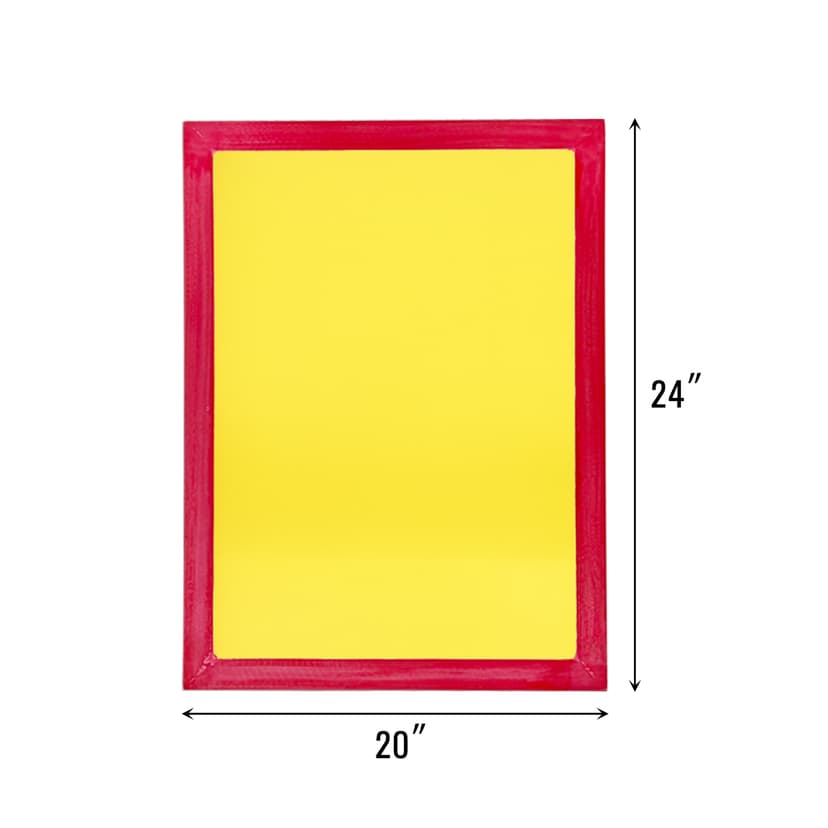
The 20 × 24 inch screen listing provides a concrete EXTRACTPHYTO reference: polyester mesh, aluminum frames, individual screens and custom mesh enquiries. Specify the exact aperture and configuration on each quote line. A general request for “the same screens every month” leaves too much unresolved.
| Decision item | One bulk receipt | Scheduled smaller receipts |
|---|---|---|
| Commitment | Confirm the quantity accepted in the order | Separate the forecast, any committed total and each authorized release |
| Price basis | Price for the specified batch | Price for each release and any separately charged setup or packing |
| Transport | One confirmed packing and delivery scope | Packing and freight for every shipment, with destination stated |
| Inventory | Buyer receives the agreed quantity together | Agree who holds any unshipped stock and under what terms |
| Timing | One agreed dispatch and delivery plan | A confirmation process and required notice for every release |
Write a release schedule that a supplier can price
Use one row per requested shipment. Include the specification revision, quantity, receiving address, desired arrival window and whether the row is a forecast or a purchase commitment. Ask the supplier to show the latest information or approval date it needs for each row.
For example, a hypothetical plan of twelve four-frame sets in one shipment contains forty-eight frames. Three releases of four such sets contain the same forty-eight frames overall. That arithmetic does not establish an EXTRACTPHYTO minimum, packing standard or agreement to hold stock. Keep the contents of each set identical if the purpose is to compare shipment timing.

Compare the complete cost of the schedule
For each option, total the quoted goods, separately payable preparation or packing, and all confirmed shipment charges. Keep your storage and receiving costs in separate buyer-estimate lines. An unquoted cost remains an open item, rather than zero. Count a freight charge only once if it is already included in a delivered offer.
Also ask whether each release has its own minimum quantity, whether pricing has an expiry date, and what happens if a forecast changes. If custom marking or packaging is involved, identify any materials made in advance and who is responsible for unused quantities. No automatic volume discount, reserved capacity or credit arrangement should be assumed.
Keep repeat supply tied to the approved version
Retain the drawing, mesh specification, sample reference and marking artwork used for approval. Each release should identify that version. Ask the supplier to flag any proposed change before production; a repeat purchase is easier to check when both sides can identify the same accepted item.

Scheduled screen ordering is a real supplier offering in the wider screening industry: ScreenerKing’s ordering FAQ includes a recurring-order question. Its products and commercial program differ from EXTRACTPHYTO’s. That source supports asking about the arrangement; it does not establish that EXTRACTPHYTO offers the same program or benefits.
Request a repeat-supply feasibility quote
EXTRACTPHYTO is a China-based manufacturer with single-frame, set and custom dry sift screen supply. Contact the team to establish whether your proposed purchase schedule is feasible and obtain comparable offers. For general set quantities, use the wholesale screen quotation guide; this page adds the release and commitment plan.
- Frame dimensions or drawing, mesh material and required aperture.
- Quantity by specification, clearly expressed as frames or defined sets.
- Proposed receipt dates and quantities; label forecasts separately from firm requirements.
- Destination country and postal code for each shipment.
- Sample approval status, identification, packaging and OEM needs.
Request bulk and staged-supply quotations or use the EXTRACTPHYTO contact page. On the form, include this article URL and reference DS-RELEASE-20261116 in your message. Email: [email protected].
If a specification, budget or quantity is undecided, describe what you know and mark the remaining items as questions. Availability, minimum quantities, sample charges, payment terms, freight and delivery timing require written confirmation for the actual order.
Sources and catalogue assets reviewed 16 November 2026. The schedule examples illustrate purchasing records, not an existing delivery or subscription commitment.