If you are new to filtration systems, one of the most common questions you will have is:
How to use bubble hash bags correctly?
While the concept may seem simple, achieving consistent and efficient filtration requires proper setup, correct sequencing, and an understanding of micron layering. Many users make the mistake of rushing the process or skipping key steps, which leads to poor separation and inconsistent results.
This guide provides a complete, step-by-step explanation of how to use bubble hash bags effectively. Whether you are a beginner or looking to refine your technique, following the correct method will significantly improve your filtration performance.
If you are still selecting equipment, you can explore different options on the Bubble Hash Bags collection page before starting.
What Are Bubble Hash Bags Used For?
Before diving into the process, it is important to understand their function.
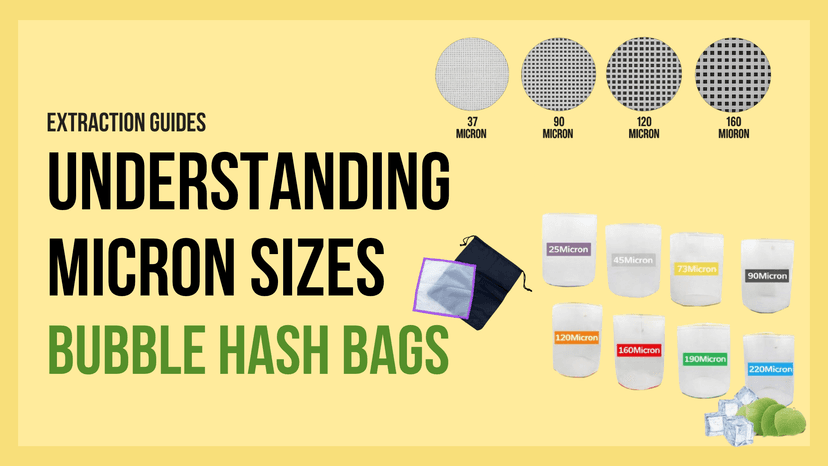
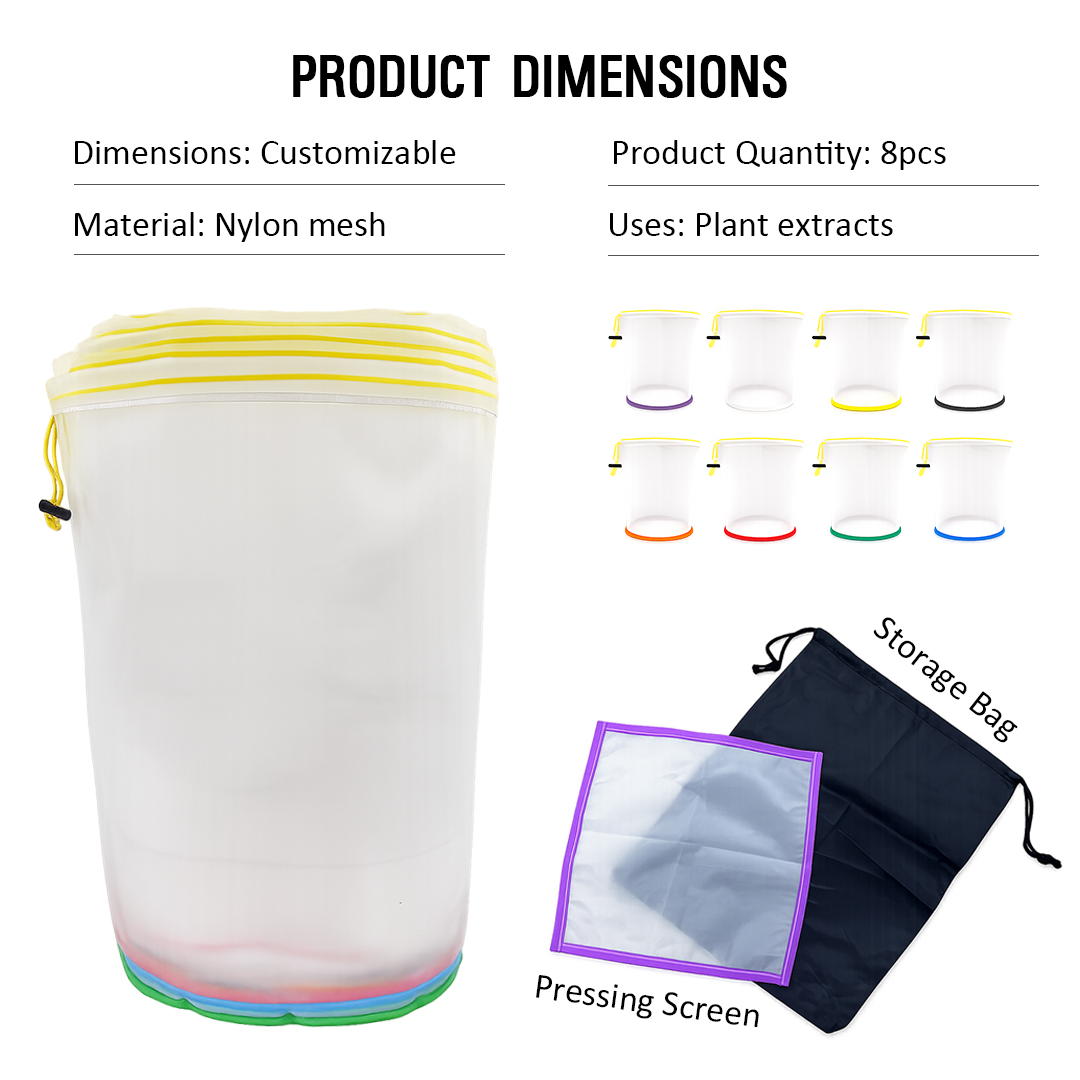
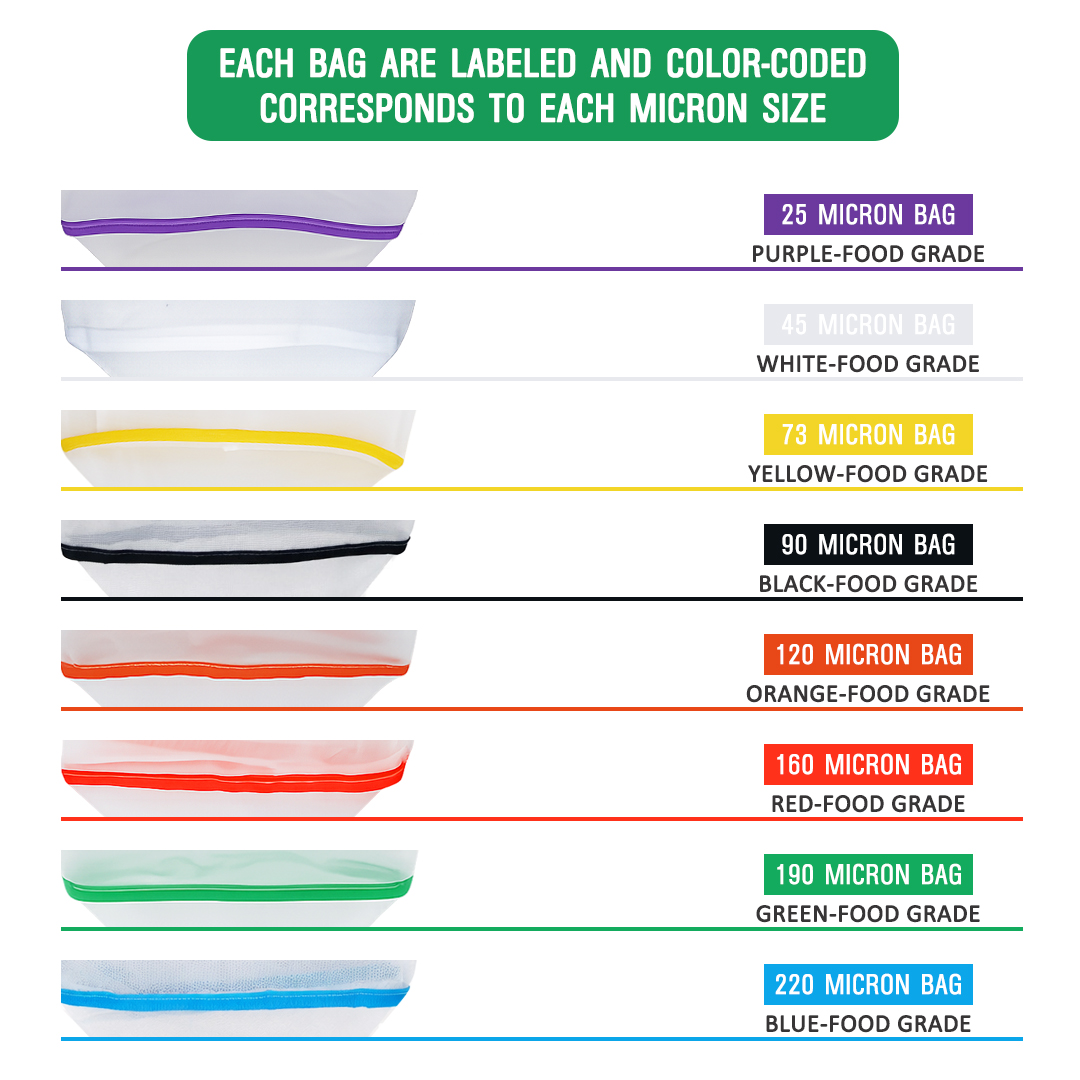
Bubble hash bags are multi-layer filtration tools designed to separate particles by size. Each bag contains a mesh with a specific micron rating, allowing precise control over what passes through and what is retained.
Instead of relying on a single filter, these systems use multiple layers to gradually refine the material.
To understand micron sizes in detail, refer to the Micron Filter Guide.
Equipment You Will Need
To use bubble hash bags effectively, prepare the following:
- A full set of bubble hash bags (multi-micron recommended)
- A bucket or container
- Cold water
- Mixing tool (manual or mechanical)
- Collection surface
Using high-quality filtration bags is essential for consistent results. Poor-quality mesh can lead to inaccurate filtration and reduced durability.
Step 1: Arrange the Bags in the Correct Order
This is one of the most critical steps.
Place the bags inside the container in descending micron order:
- Largest micron at the top (e.g., 220μm)
- Smallest micron at the bottom (e.g., 25μm)
This arrangement ensures that filtration happens gradually, from coarse to fine.
Incorrect layering is one of the most common mistakes and can disrupt the entire process.
Step 2: Add Cold Water
Cold conditions are essential for effective separation.
Fill the container with cold water before adding any material. Lower temperatures help maintain structure and improve filtration efficiency.
Avoid using warm or room-temperature water, as it reduces control over the process.
Step 3: Add Material and Begin Mixing
Once the setup is ready, add your material into the container.
Mix gently and consistently. The goal is to allow particles to separate without damaging them.
Key tips:
- Do not over-mix
- Keep movements controlled
- Maintain steady timing
Over-aggressive mixing is a common mistake that reduces filtration quality.
Step 4: Begin the Filtration Process
After mixing, allow the material to settle briefly before starting filtration.
Lift the top bag slowly and let the water drain through the mesh. This stage removes larger particles.
Repeat the process for each layer:
- Lift one bag at a time
- Allow full drainage
- Avoid rushing
Each bag captures a specific range of particle sizes.
Step 5: Collect the Filtered Material
After draining each bag, collect the material retained in the mesh.
Different micron bags will produce different grades of filtration results.
- Larger micron bags capture coarse material
- Smaller micron bags capture finer particles
This separation allows better control over final output.
Step 6: Repeat if Necessary
For improved results, the process can be repeated multiple times.
Additional cycles help extract remaining material and improve overall efficiency.
However, avoid excessive repetition, as it may reduce quality.
Step 7: Clean the Bags Immediately
Cleaning is often overlooked but extremely important.
After use:
- Rinse bags thoroughly
- Remove all residue
- Allow them to dry completely
Proper maintenance ensures consistent micron performance and extends product lifespan.
For detailed maintenance practices, see the Filter Bags cleaning guide.
Common Mistakes to Avoid
Even when following instructions, small mistakes can impact results.
Using incorrect micron order disrupts filtration flow.
Mixing too aggressively damages structure and reduces separation quality.
Skipping micron layers leads to inconsistent results.
Using low-quality bags affects both accuracy and durability.
Avoiding these mistakes will significantly improve your filtration process.
Tips for Better Results
To maximize efficiency and consistency:
Use a full multi-micron setup instead of a single bag.
Maintain cold conditions throughout the process.
Work slowly and methodically rather than rushing.
Use durable, high-quality filtration bags for reliable performance.
You can find professional-grade options on the Bubble Hash Bags page.
Beginner Setup Recommendation
If you are just starting, a simple system is best.
A 3 to 5 bag setup provides enough control without adding unnecessary complexity.
Suggested beginner combination:
- 220μm
- 120μm
- 73μm
- 25μm
As you gain experience, you can expand to a full multi-layer system.
Advanced Techniques for Better Filtration
Once you understand the basics, you can improve your process further.
Adjust micron combinations based on your desired outcome.
Optimize mixing time and intensity.
Use multiple filtration cycles for better yield.
Monitor results and refine your setup over time.
Filtration is not just a process—it is a system that can be continuously improved.
Conclusion
Learning how to use bubble hash bags correctly is essential for achieving consistent and efficient filtration results.
By following a structured process, using the correct micron sequence, and avoiding common mistakes, you can significantly improve both quality and performance.
The key is not just having the right equipment, but knowing how to use it properly.
Call to Action
If you want reliable and consistent filtration results, start with the right tools.
Browse our Bubble Hash Bags collection to find durable, multi-micron systems designed for both beginners and professionals.
Not sure which micron setup is right for you? Visit our Micron Filter Guide to make the best choice based on your needs.