An infrared thermometer reading of a shiny platen is not automatically a reliable surface-temperature measurement. Ask the manufacturer how the reading was obtained, which instrument and settings were used, and whether the method is suitable for the actual surface before accepting it as purchase evidence.
This guide helps equipment buyers evaluate a temperature claim. It is not an instruction to measure hot equipment, alter a platen surface, or recalibrate a press. Have the manufacturer and qualified measurement personnel agree and perform any test.
Why a displayed number needs context
Infrared instruments infer temperature from radiation reaching the detector. Radiation can include energy emitted by the surface and energy reflected from surroundings. A shiny or bare metal surface can have relatively low emissivity, making its reading sensitive to reflections and instrument settings. Fluke’s infrared calibration guide explains these factors and the relationship between distance and the measured area.
Rosin Tech Products explicitly addresses the use of an infrared temperature gun on its plates in its FAQ. Its answer concerns that supplier’s equipment and is a useful reason to ask a model-specific question; it is not a measurement of an EXTRACTPHYTO machine.
What an IR reading does—and does not—show
| Question | Evidence to request | Why it matters |
|---|---|---|
| What was measured? | Surface finish, exact platen and test points. | Different surfaces and positions can produce different readings. |
| How was it measured? | Instrument, calibration status, distance, field of view and settings. | The instrument samples an area, not an ideal point. |
| What else could affect it? | Reflected background and method for addressing surface emissivity. | Reflected energy can influence an infrared result. |
| When and under what condition? | Target, warm-up, open/closed and loading conditions, and time. | Values taken under different conditions may not be comparable. |
| What is the decision? | Agreed criterion, uncertainty where provided and responsible reviewer. | An isolated number is not an acceptance decision. |
Compare methods before comparing machines
Ask what method the supplier proposes for a representative surface measurement, and whether a suitable contact method or other validated approach is available. Request the full method and limitations, not simply a photograph of a thermometer aimed at a shiny plate. A contact instrument also has its own placement, response and calibration considerations; it is not automatically perfect.
Do not add tape, paint or coatings to a heated platen based on generic instructions. Such changes can affect the equipment or intended application. Any method must be assessed against the instrument manual and the equipment manufacturer’s requirements by qualified personnel.
Keep accuracy, uniformity and stability separate
An individual reading does not establish how the whole surface varies or how temperature changes over time. For a broader explanation of those distinctions, see the temperature reports guide. Request a measurement plan identifying locations, time intervals and acceptance criteria where those properties matter to your order.
Request a quotation with evidence requirements
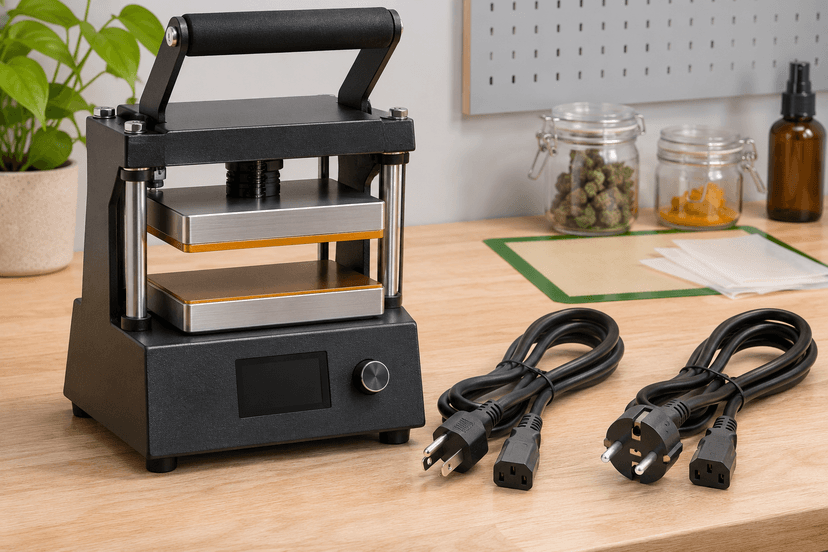
Review the EXTRACTPHYTO rosin press range and request a quotation. Send the model, platen finish, intended application, destination, quantity and required temperature evidence. Include the proposed instrument and acceptance requirement if already specified; otherwise mark them as open questions.
Availability of reports, testing, pricing and delivery must be confirmed for the actual machine and order. Sources reviewed 25 November 2026: Fluke’s calibration guide and Rosin Tech Products’ supplier FAQ.