To compare rosin press noise before buying, identify the exact press and every auxiliary unit, then request evidence covering the sounds you will actually hear at the intended site. “Manual,” “electric” or “quiet” alone cannot establish suitability for a shared workspace. Include intermittent sounds, such as a buzzer or an air-supply unit starting, rather than judging only an idle machine.
This purchasing guide is for equipment buyers and distributors selecting a machine for premises where sound matters. The next decision is whether a particular configuration belongs on the shortlist. It is not a sound-level test or a claim that any EXTRACTPHYTO model is silent.
Define what makes noise a purchasing constraint
Describe the proposed room and the people or activities nearby. A separate workshop, a shared room and premises used for customer demonstrations can have different acceptance needs. State whether the concern is a continuous sound, an occasional alert, or equipment outside the press itself. If your organization has a written site requirement, attach it instead of asking the supplier to interpret “not too loud.”
Keep the requested equipment configuration attached to this brief. Plate format, manual versus powered actuation, required utilities and intended application still need to match. A quieter alternative that cannot meet the essential equipment requirements is not an equivalent offer.

Compare the complete equipment package
| Item to identify | Question for the supplier | Purchase decision |
|---|---|---|
| Press mechanism | What is operated by hand and what is powered? | Define the actual configuration being compared. |
| External equipment | Does the proposal require a separate pump or air supply, and is it included? | Include all necessary equipment in the review and quote. |
| Fans and alerts | Which sounds occur intermittently and under what conditions? | Avoid accepting an idle demonstration as the whole picture. |
| Evidence | Which model, settings, surroundings and observation position does it represent? | Compare like-for-like information rather than isolated claims. |
The drive-system comparison helps identify mechanisms. For air-operated equipment, the air-supply purchasing checklist covers utility compatibility. Neither category names nor a maximum force label establish the sound of the installed package.
Read a manual-model listing carefully
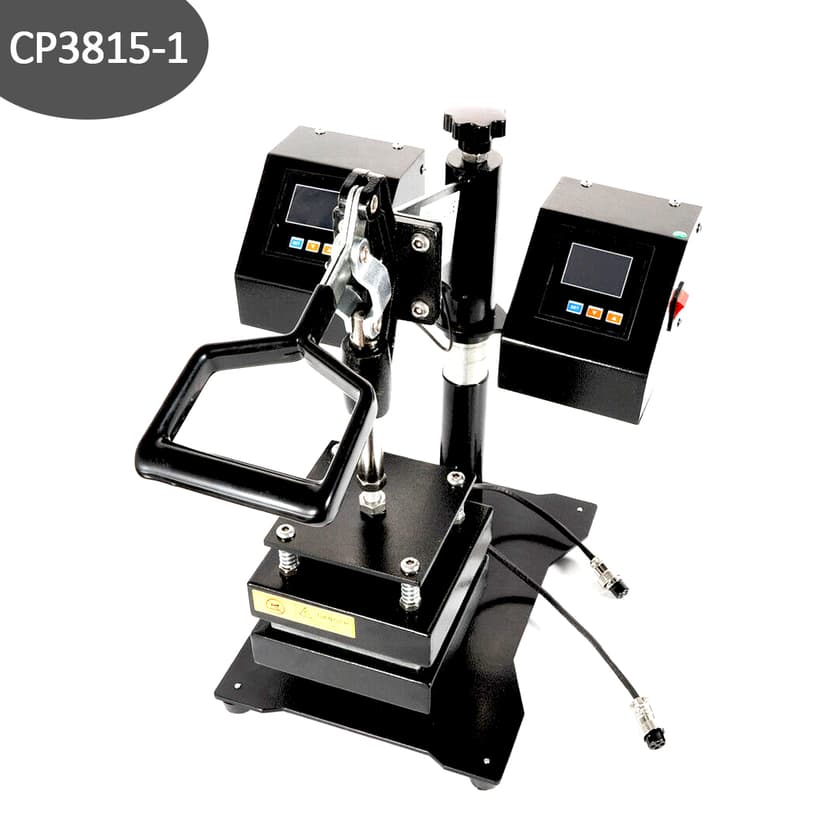
The CP3815-1 catalogue page describes manual actuation, an LCD control system, a buzzer and a cooling fan. Therefore, “manual” should not be interpreted as “no powered components” or “no intermittent sound.” Its general description of quieter operation does not provide a numerical sound rating, comparison method or site acceptance guarantee.
Use CP3815-1 as a model to discuss if manual actuation fits your requirements. Ask for current information on the quoted configuration and the availability of relevant evidence. The listing excludes food processing; confirm application suitability independently of sound preferences.

Ask for useful evidence before approving an order
A demonstration can help identify when sounds occur and which component produces them. Request an explanation of what is running, what external equipment is present and whether the recording covers the relevant parts of normal operation. A promotional clip without those details may omit the event that concerns your team.
Do not rank machines by playback loudness from unrelated recordings. Ask whether comparable measurement information is available, including the quantity reported, units, measurement position, equipment state and surrounding conditions. If a site acceptance criterion is mandatory, agree the evidence and review process before committing to the order. This guide supplies no measured decibel value, universal limit or workplace-compliance certification.
Do not assume an alert can be disabled or that relocating auxiliary equipment is approved. Put those requests to the manufacturer and obtain a model-specific response. A proposed change must remain compatible with the equipment’s approved requirements.

Send a sound-sensitive equipment enquiry
EXTRACTPHYTO is a China-based manufacturer with a rosin press catalogue. Send your shortlist and site constraints so the team can review the proposed configuration and identify what documentation or demonstration can be offered. No low-noise option, test service or particular performance is promised here.
Include company and reply email, intended application, preferred model and plate format, manual-operation acceptance, electrical and air-supply availability, room context, the sound concern or written acceptance requirement, quantity and destination country/postal code. Mark undecided fields “not sure.” Request any evaluation unit separately; availability, charges and commercial terms require a written offer.
Email your model-selection requirements or use the EXTRACTPHYTO enquiry page. Paste PRESS-NOISE and this article URL into the form message. Opening the email link does not send an enquiry.
Purchasing-question source reviewed 23 November 2026: the Dulytek DW8000 public Q&A includes a buyer’s model-to-model noise question. It establishes a publicly observable concern, not search volume or EXTRACTPHYTO performance. All three images are EXTRACTPHYTO CP3815-1 catalogue assets.