Introduction: Why Dry Sift Matters
Dry sift is one of the most efficient and straightforward methods for separating fine plant resin without using solvents. Whether you are working with botanical materials or conducting plant-based processing, choosing the right dry sift screen set plays a critical role in achieving consistent results.
Many users struggle with questions like:
- What micron screen should I use?
- How many screens are needed?
- How can I improve separation efficiency?
This step-by-step guide will walk you through the entire dry sift process and help you understand how to use a dry sift screen set effectively.
What Is a Dry Sift Screen Set?
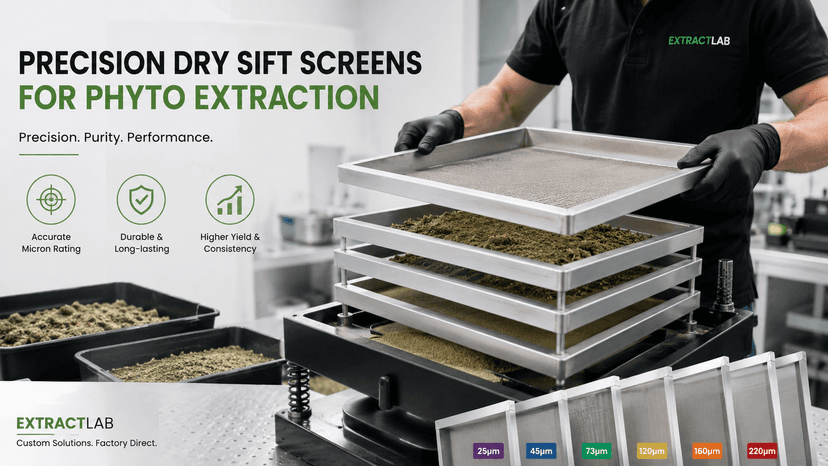
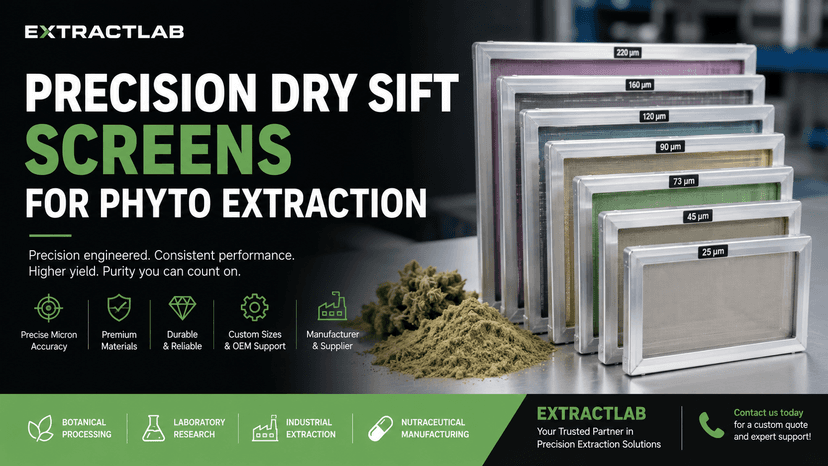
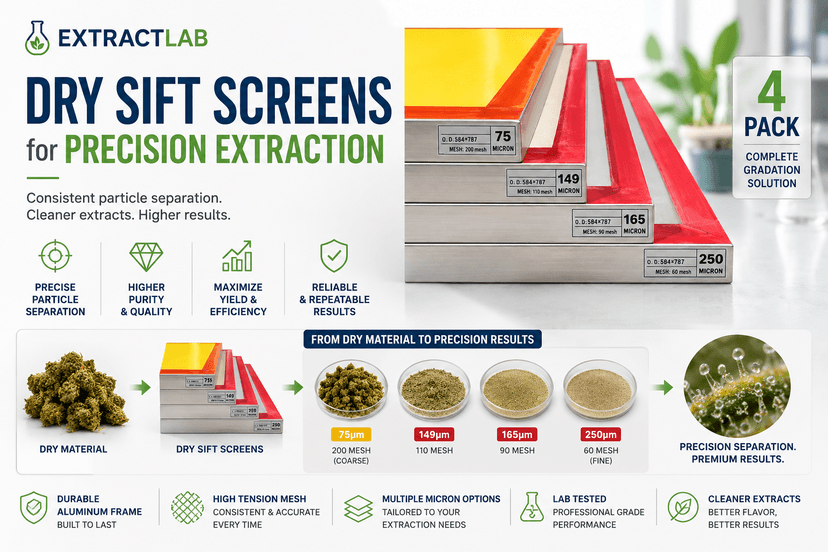
A dry sift screen set is a collection of mesh screens with different micron sizes designed to separate fine particles from plant material.
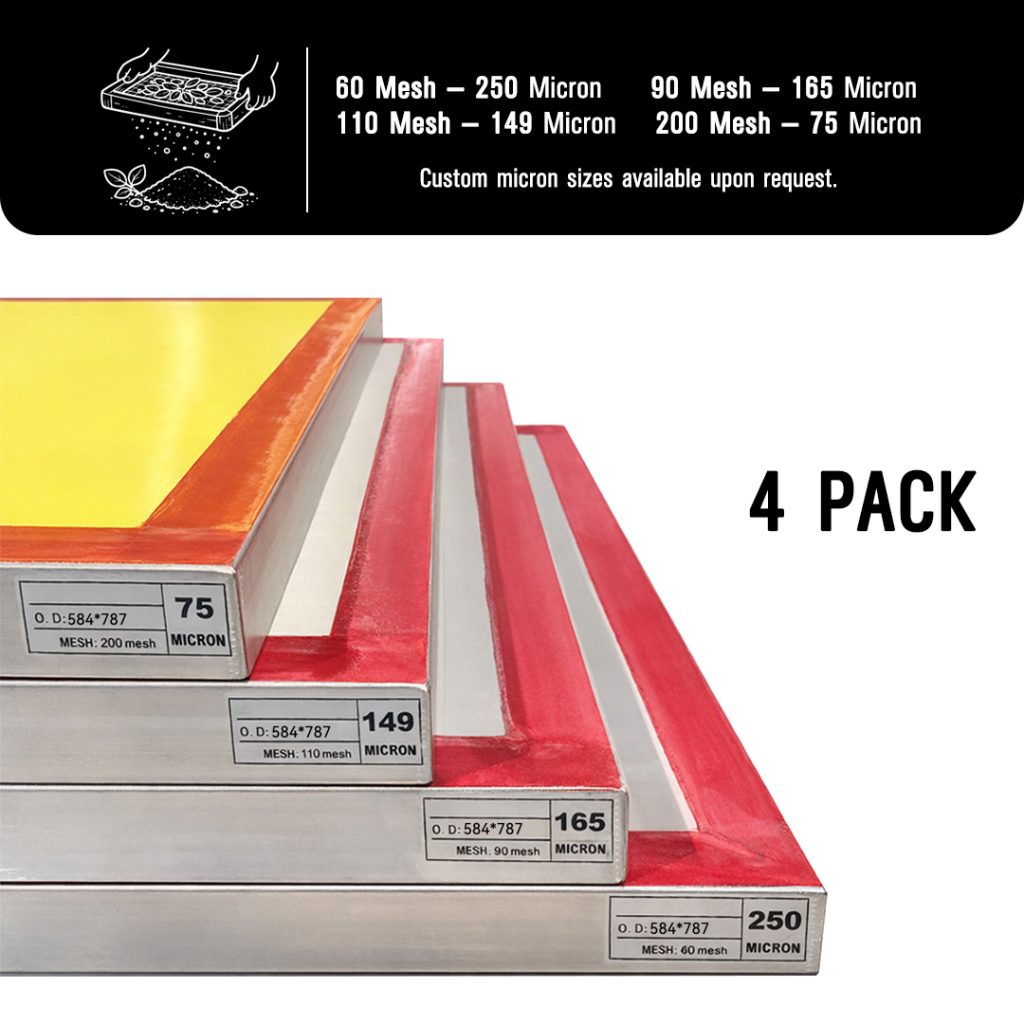
Each screen serves a specific purpose:
- Larger micron screens → remove bigger particles
- Medium micron screens → refine material
- Smaller micron screens → collect fine resin
High-quality dry sift screens are typically made from durable mesh materials such as stainless steel or nylon, ensuring precision and long-term use. A professional trichome screen set allows for more controlled and efficient separation.
Step-by-Step Guide: How to Do Dry Sift
Step 1: Prepare Your Materials
Start by preparing:
- Dried plant material
- A clean workspace
- A full dry sift screen set (multiple micron sizes recommended)
For best results, materials should be properly dried and slightly chilled. This helps improve separation during the dry sift process.
Step 2: Set Up Your Screen System
Arrange your dry sift screen set from largest micron to smallest:
Example setup:
- Top layer: 120–160 micron screen
- Middle layer: 73–90 micron screen
- Bottom layer: 25–45 micron screen
This layered structure allows gradual refinement using multiple dry sift mesh screen levels.
Step 3: Begin the Sifting Process
Place your material on the top screen and gently move or agitate it.
Key tips:
- Use light pressure
- Avoid over-processing
- Keep movement consistent
The goal is to allow fine particles to fall naturally through the dry sift screens without forcing unwanted material through.
Step 4: Refine Through Multiple Micron Screens
As material passes through each layer of the dry sift screen set, it becomes more refined.
- First pass → removes large impurities
- Second pass → improves purity
- Final pass → collects fine resin
Using multiple dry sift screen micron levels is essential for achieving high-quality results.
Step 5: Collect the Final Product
Once the process is complete, collect the fine particles from the bottom screen.
This final layer contains the most refined material obtained through controlled trichome separation screen processing.
How to Choose the Right Micron Screens
Selecting the correct micron size is one of the most important factors when using a dry sift screen set.
Here’s a quick guideline:
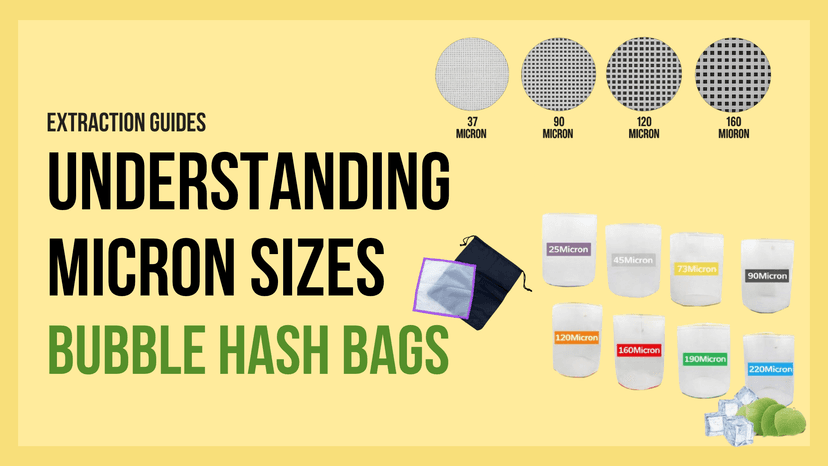
- 120–160 micron → initial filtering
- 73–90 micron → balanced separation
- 25–45 micron → ultra-fine particles
If you’re unsure, a multi micron screen set is always the best choice, as it allows flexibility for different applications.
Dry Sift vs Other Extraction Methods
Compared to other techniques, dry sift offers several advantages:
Dry Sift:
- No solvents required
- Simple setup
- Cost-effective
- Easy to scale
Bubble-based methods:
- Require water and more equipment
- More complex workflow
Using a dry sift extraction screen system is often the preferred choice for users who want efficiency and simplicity.
Why a High-Quality Dry Sift Screen Set Matters
Not all screens deliver the same performance. A professional dry sift screen set ensures:
- Accurate micron sizing
- Better material separation
- Longer lifespan
- Consistent results
High-quality pollen screen set or trichome screen set options are especially important for commercial or repeated use.
Conclusion: Improve Your Results with the Right Setup
Mastering the dry sift process is not complicated—but using the right tools makes a huge difference.
With a well-designed dry sift screen set, proper micron selection, and a step-by-step approach, you can significantly improve your separation efficiency and final output quality.
If you are looking for a reliable dry sift screen set for sale, choosing a professional-grade solution with multiple micron options will give you the flexibility and performance needed for consistent results.