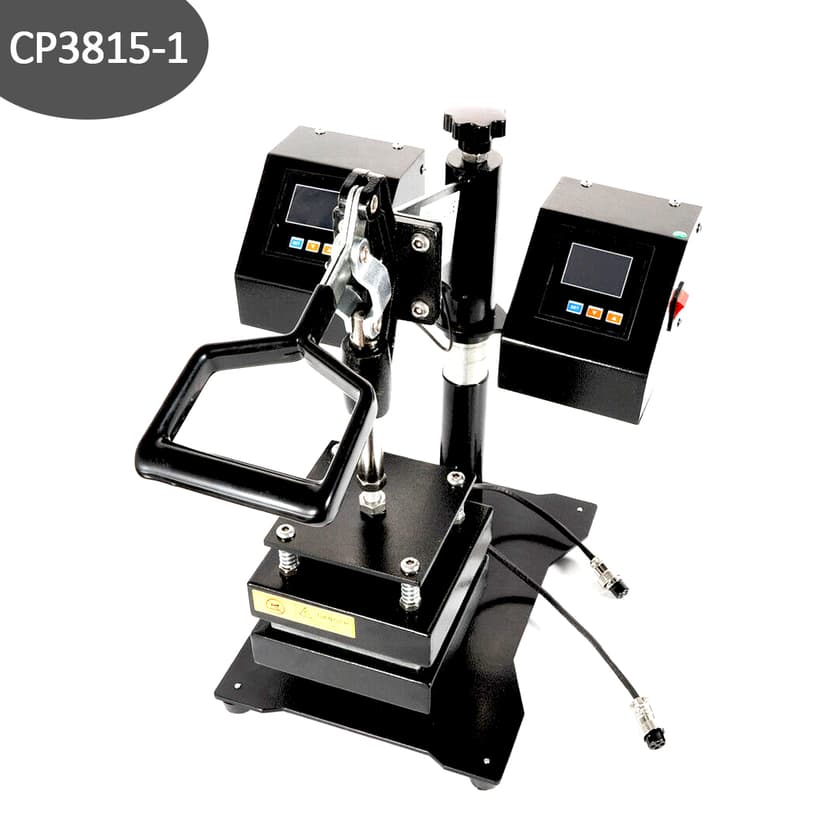
The question “what is rosin” can refer to different materials depending on the industry. In the context of this equipment category, the term commonly describes a mechanically separated botanical concentrate associated with heat-and-pressure equipment. In other industries, rosin may refer to pine-derived resin products used for different purposes.
Equipment buyers should identify their intended application clearly rather than assuming that every supplier uses the word in the same way. This introduction explains terminology and purchasing considerations. It does not provide a production recipe, operating settings or a guarantee of suitability for a particular material.
What is rosin in an equipment enquiry?
For a procurement team, the useful answer identifies the intended product category, the relevant equipment role and the specifications that need evaluation. A press is one part of a wider workflow. Its force rating and heated platens do not establish the finished product’s composition or commercial value.
If an enquiry begins with “how to make rosin,” clarify whether the buyer is asking about terminology, equipment selection or a complete workflow. These are different questions. A machinery quotation should define the equipment supplied and avoid implying that a single purchase guarantees a particular finished result.
From a general question to a purchasing brief
Searching “how to make rosin” often leaves a buyer with a list of tools but few comparable specifications. For purchasing, replace the generic list with exact requirements: machine model, drive arrangement, platen dimensions, controls, utility supply and included accessories. Confirm the intended application with the supplier before ordering.
Understanding what is rosin in your business context also helps distinguish product claims from equipment claims. A machine demonstration can show its controls and mechanical operation. It does not automatically prove a universal material output, yield or product quality.
What the equipment actually needs to explain
| Buyer question | Equipment information to request |
|---|---|
| How is force generated? | Identified drive and power arrangement |
| How are the platens controlled? | Controller functions and sensor arrangement |
| What fits the working area? | Platen dimensions, opening and access |
| What utilities are needed? | Electrical requirements and external supplies |
| What is included? | Machine, accessories, documents and packaging |
| What support applies? | Model identification and written service terms |
When researching how to make rosin, buyers may encounter equipment names that sound interchangeable. They are not a substitute for the configuration sheet. For example, electrically powered machinery may use a hydraulic mechanism, so “electric” alone does not explain the service requirements.
Avoid confusing a definition with a capacity claim
An answer to “what is rosin” cannot tell you how much equipment your business needs. Machine selection should instead use your intended application, workspace, utilities and workload. Ask suppliers which claims are supported by model-specific evidence and which depend on the wider workflow.
For a broader explanation of how to make rosin, keep high-level workflow information separate from the equipment offer. Operating procedures belong in the approved documentation for the particular machine and application. Generic online advice should not replace that documentation.
Questions new buyers ask
What size rosin press do I need?
Provide the working footprint, available space, utility supply and planned workload. Ask for the proposed machine configuration and why it matches those requirements. Use the commercial buying guide to prepare the same set of questions for each supplier.
Does a pneumatic rosin press need an air compressor?
It needs a suitable compressed-air supply. Confirm whether that will come from an existing facility supply or separate equipment and ask for the specific machine requirements. The pneumatic purchasing guide explains what information should be requested.
How should I compare platen sizes?
Use a rosin press plate size comparison that lists dimensions in consistent units and includes the associated machine configuration. Check access and the intended working footprint as well as the outer plate dimensions. A larger plate is not a standalone capacity guarantee.
Start with the equipment question you need answered
If you arrived here asking “how to make rosin,” the next purchasing step is to identify the role and specification of the equipment you need. Describe that role to the supplier, along with destination market, preferred drive, platen dimensions and expected quantity.
EXTRACTPHYTO’s machine range provides a starting point for selection. Use the machine and accessory guide to define a package, then send a configuration enquiry when you are ready to compare offers.