Buy ready-made rosin filter bags when you want a defined finished item with agreed dimensions, construction and pack count. Consider mesh rolls or tubes when your business can take responsibility for conversion, inspection and the resulting finished specification. Compare cost per accepted finished unit, not a bag price against a price per yard.
For purchasing managers and wholesale buyers, the key question is where the work and responsibility sit. A lower raw-material price can be attractive, but it does not include every task needed to turn that material into an approved, repeatable consumable.

Identify what each quotation actually supplies
| Supply format | What the buyer receives | What still needs agreement |
|---|---|---|
| Ready-made bag | An individual bag with a defined opening and joined edges | Finished dimensions, mesh, joining method, count and acceptance criteria |
| Flat mesh roll or sheet | Material quoted by width and length or area | Usable material dimensions, conversion responsibility, losses and finished-item validation |
| Mesh tube or sleeve | A tubular form whose supplied ends and construction must be specified | Lay-flat width or circumference, length, edge/end condition and remaining conversion work |
“Roll” and “tube” are not synonyms. A flat sheet and a tubular sleeve can require different purchasing and inspection plans. For example, Gutenberg’s mesh-by-the-yard product page describes unsewn mesh material. It demonstrates an alternative supply format, not equivalence to a finished bag or proof that every supplier offers the same format.
Put both options on the same cost basis
Use a consistent purchasing period and the same required finished specification. For ready-made bags, add product cost, agreed packaging, inbound freight and your receiving-inspection cost. Divide by the number of units accepted for the intended purchase requirement.
For converted material, include material, conversion labor, equipment allocation, packaging, inspection and rejected or unusable material. Divide by the accepted finished units produced from that purchase. Keep any estimated conversion yield separate from measured results.
Comparable unit cost = total relevant purchasing and preparation cost ÷ accepted finished units. This is a costing framework, not a claim that one format is always cheaper. Use your own supplier quotations and time records; there is no universal break-even quantity.
If your team has not performed the proposed conversion before, request a small evaluation quantity and measure the missing cost inputs before approving a bulk comparison. Do not book an assumed labor saving as a confirmed saving.
Decide who owns the finished specification
With ready-made bags, the supplier can quote a defined finished item. With material-only supply, the buyer or its converter must establish that item. The raw mesh specification remains important, but it does not by itself establish the dimensions or workmanship of a converted bag.

- Specify the finished width and length, how they are measured, and agreed tolerances.
- Record mesh material and micron specification separately from any mesh-count description.
- Identify the required edge construction and approved sample reference.
- Agree what counts as an acceptable finished item and who handles nonconforming units.
- Keep the material batch and finished-item batch connected if conversion occurs in-house.
For a deeper discussion of joining methods, see the sewn and welded bag specification guide. The make-or-buy decision should hold the finished requirement constant instead of comparing unlike constructions.
Match the format to your purchasing situation
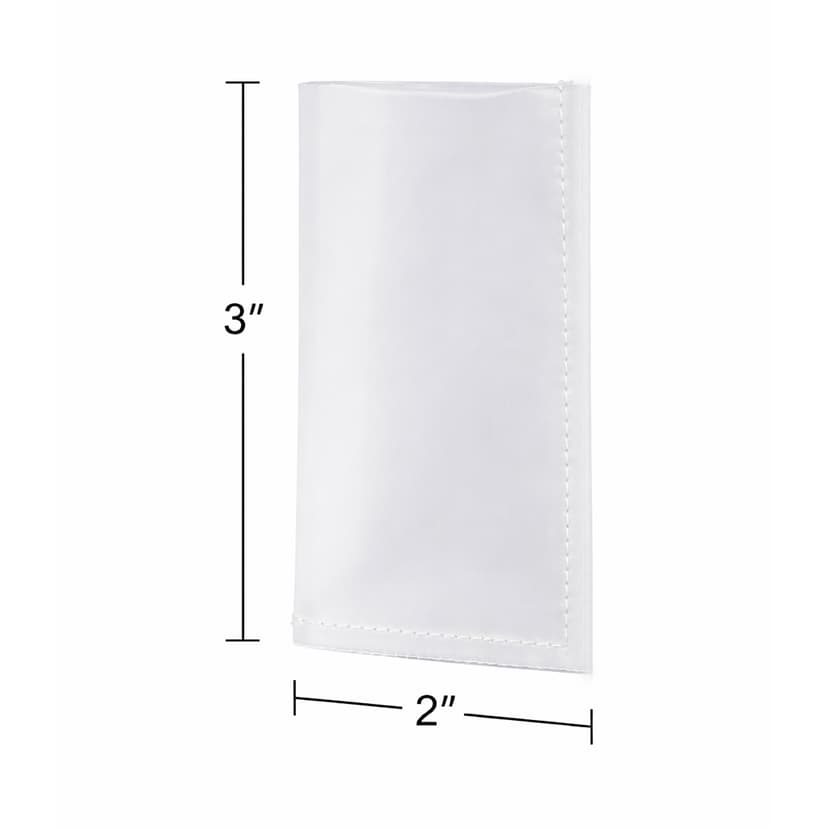
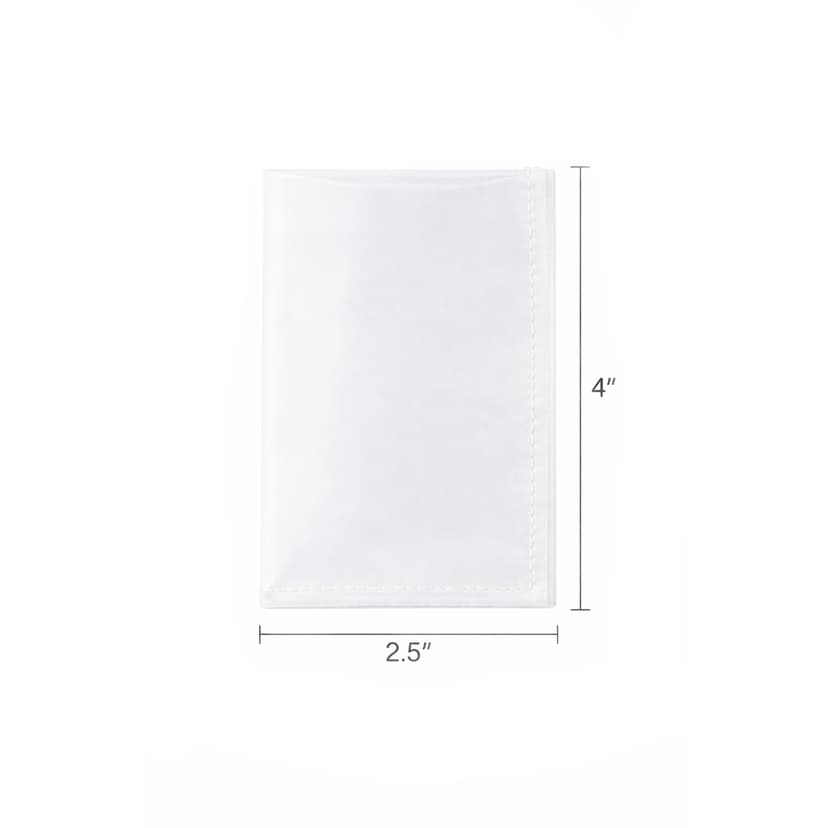
A repeatable finished SKU: Start by quoting ready-made bags when the same dimensions are reordered and you want the factory to supply that finished specification. The 2 × 3 inch and 3 × 5 inch EXTRACTPHYTO listings provide examples of catalogue formats. Their listed nylon mesh choices include 25, 37, 73, 90, 120 and 160 microns; confirm the exact size, mesh and construction combination in the quotation.
Frequently changing finished lengths: A continuous format may offer inventory flexibility, provided the conversion capability and final inspection plan already exist. Count the time spent preparing and identifying different finished items, as well as material cost.
An unusual finished size: Request a custom finished-bag feasibility quote before assuming that in-house conversion is the only option. Compare its sample and production terms with the complete cost of material-only supply.

Packaging is a separate decision. Ask whether the quote covers loose bulk units, counted packs or a specified retail presentation. A photograph of several bags is not a quantity commitment.
Request a finished-bag comparison quote
EXTRACTPHYTO is a China-based manufacturer with a finished rosin filter bag range and custom-size enquiries. That gives buyers considering in-house conversion a concrete alternative: ask the manufacturer to quote the finished specification you actually need. Continuous rolls and tubes are comparison formats in this guide; their supply by EXTRACTPHYTO is not established here.
Email a finished-bag sample and quotation request, or use the EXTRACTPHYTO contact page. Include your finished dimensions, micron specification, construction preference, approximate quantity, destination and contact details. If a requirement is undecided, say so; an initial selection enquiry does not require a final budget or order quantity.
For a fair comparison, ask for sample cost, units per pack, freight scope, availability and any customization charges separately. MOQ, lead time and commercial terms need confirmation for the quoted item. When using the contact form, paste this article’s URL into your message so the team can identify the comparison you are making.
Product references checked 7 November 2026. Catalogue choices require order-specific confirmation; no price, stock level or delivery promise is implied.