Qualify a backup dry sift screen supplier by approving a defined product configuration and purchase route before an urgent shortage. You can keep your incumbent supplier while evaluating a second source for selected items. A successful sample review establishes an approved option; it does not reserve stock or guarantee future capacity.
Choose the items that need a second source
This guide is for distributors and repeat buyers managing continuity of screen supply. NIST’s manufacturing guidance identifies reliance on a single supplier as a supply-chain risk and discusses diversification. The checklist below applies that general principle to framed screens; it is not evidence of a particular supplier’s reliability or of measured demand for this topic.
Start with the items whose absence would interrupt your business. Record the frame format, aperture, set composition and required identification for each. Separate essential replacement items from optional assortment extensions. Qualifying one frame does not qualify every size, mesh or branded package in a catalogue.

Create a portable specification
Use a specification that another manufacturer can understand without access to the incumbent’s private information. Include your required dimensions, usable area, material, interface and documented acceptance needs. Provide only drawings or reference material you are entitled to share.
Keep three columns: required characteristic, evidence currently available and question still unresolved. A past invoice may identify a trade name without describing the construction. If that is all you have, ask for clarification rather than inventing an equivalent specification. Identify which differences could be reviewed and which would make the alternate unsuitable.
| Record status | What it means | What remains to confirm |
|---|---|---|
| Candidate | A catalogue configuration may fit | Differences and required evidence |
| Sample reviewed | Defined configuration assessed | Any unresolved approval conditions |
| Approved option | Buyer accepted the stated scope | Current availability and commercial terms |
| Order ready | Dated quote and required approvals obtained | Purchase authorization and agreed release steps |
Define what approval covers
Agree whether the evaluation covers a single frame, a complete set or a particular retail pack. Ask the second supplier to identify the offered configuration and any differences before sending a sample. Price the evaluation and any custom preparation separately from a potential repeat order.
Record the sample or drawing review against your stated acceptance criteria. Keep approval limited to the configuration reviewed, with unresolved points visible. The existing screen quality checklist supports physical checks; this article addresses how an approved option becomes a usable backup purchasing route.

Separate approval from readiness
Before describing an item internally as available from a backup source, obtain a dated response on its current supply route. Ask whether the quoted item is finished stock, requires production or depends on new approval. Confirm minimum order, quotation validity, packing, destination and the timing milestones for the actual requirement.
Do not assume a supplier will hold stock or production capacity because it previously sent a sample. Reserved inventory, standing orders or capacity commitments require an explicit agreement. If none exists, label the record approved specification—availability to be reconfirmed.
Decide when to activate the backup
Set an internal trigger tied to the business need: for example, a confirmed incumbent delay that leaves too little time for the buyer’s required arrival. This is an example of a decision rule, not a recommended number of inventory days. Assign a person to confirm the need, refresh the quotation and authorize the purchase.
Evaluate whether a partial alternate order is useful on its own. If your customers require complete sets, changing only one frame may create a fit or assortment problem. Keep incumbent and alternate item identities clear in receiving and customer records so an approved difference is not silently presented as identical supply.
Keep the approval current
Review the backup record when specifications, labels, packing, destination requirements or the supplier’s offered construction change. Record the review date and the next evidence needed. An old sample is a reference, not proof that a later production lot is unchanged.
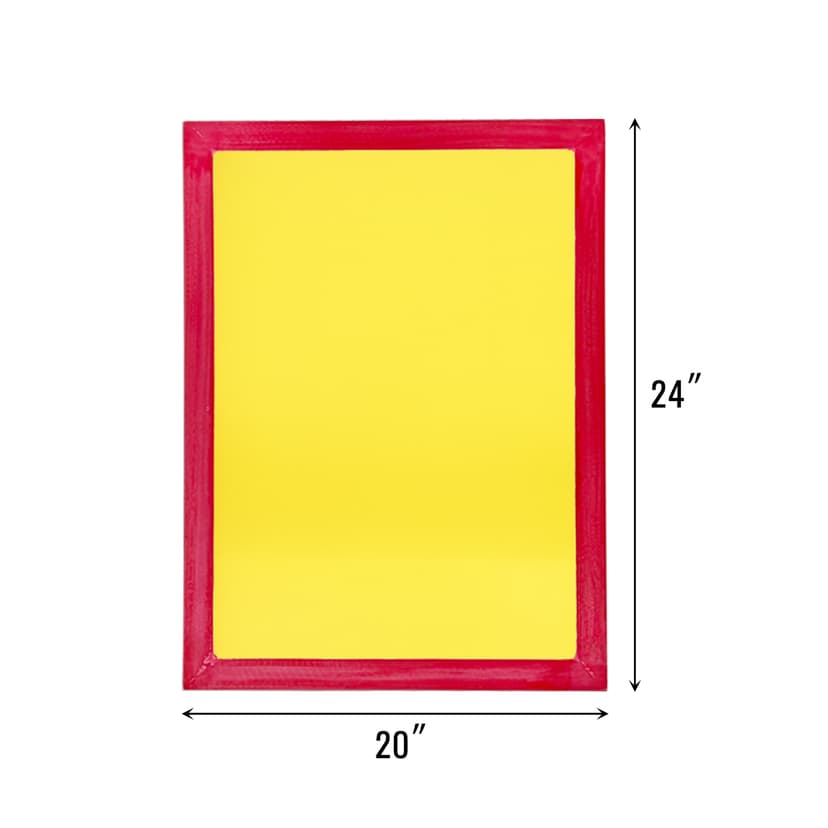
EXTRACTPHYTO is a China-based manufacturer with individual and set options in its screen range. Use the 20 × 24 inch listing as one candidate for a second-source review. Ask which of your required items can be matched and which need separate feasibility work; no standing stock or capacity reservation is promised.

Request a second-source sample and quotation review
Please include the following information. If a specification or quantity is undecided, describe what you know and write “not sure”; you can still request selection help.
- Company and reply email
- Required frame and aperture specification
- Single frames or complete set contents
- Essential requirements and acceptable differences
- Proposed evaluation and repeat quantities
- Required arrival date
- Destination country and postal code
Or use the EXTRACTPHYTO inquiry page. Include reference SCREEN-SECOND-SOURCE and this article URL in your message. The email button prepares a message in your email app; it does not send an inquiry automatically.
Available configurations, sample arrangements, MOQ, pricing, lead time and delivery terms require written confirmation for the actual request.
Sources reviewed on 15 November 2026: NIST: Building Resilient Supply Chains, published 18 March 2025. The source supplies general diversification context; the screen purchasing workflow is an EXTRACTPHYTO editorial checklist.
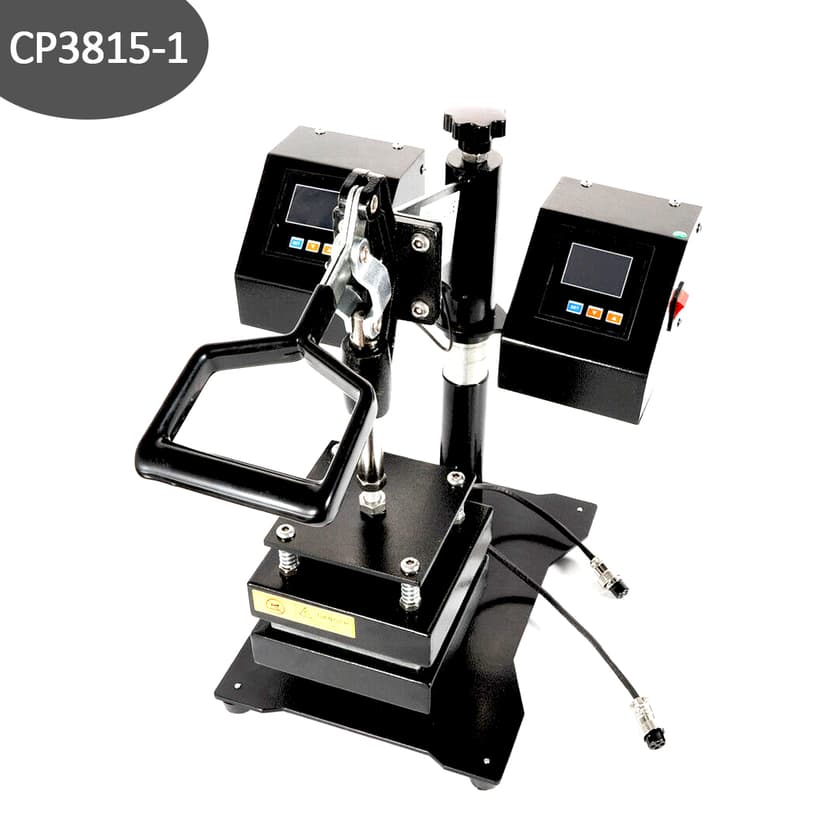
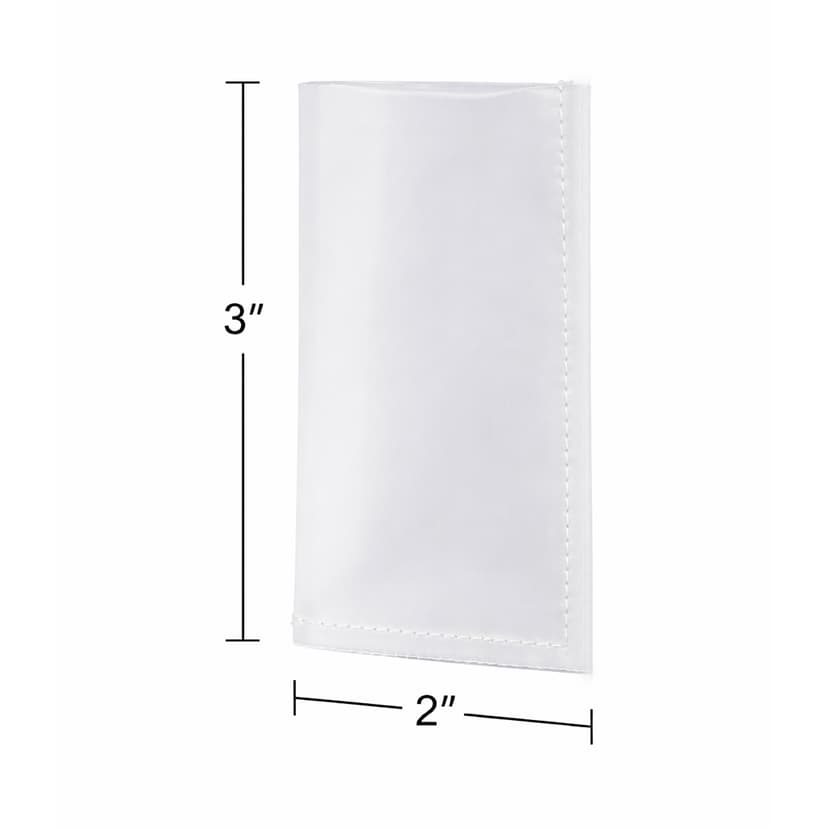
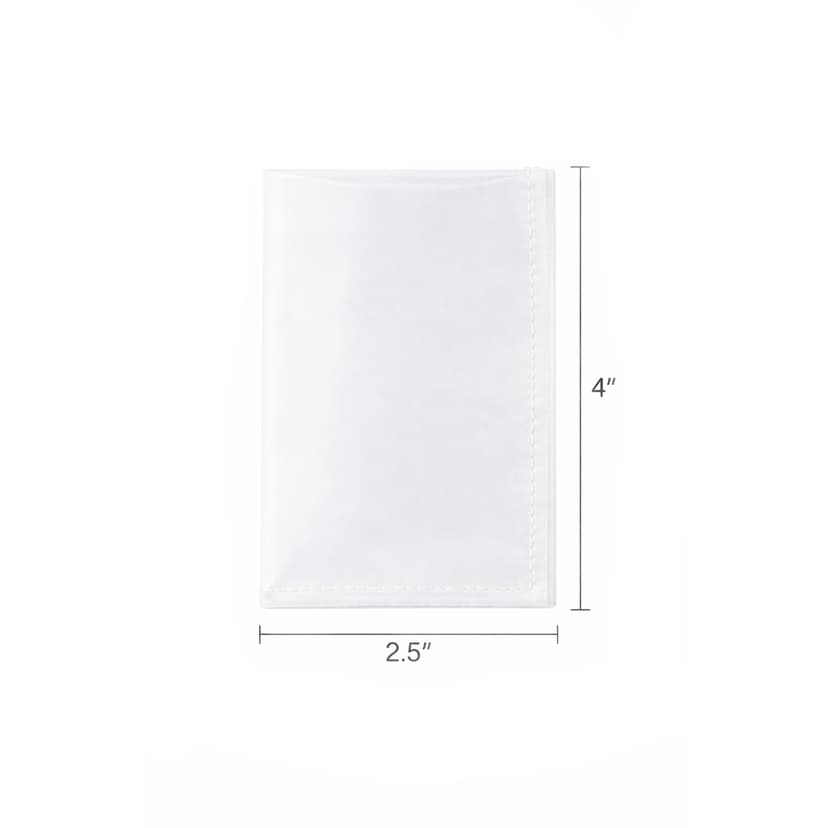
Images are from EXTRACTPHYTO’s existing product catalogue, used here to identify the relevant construction and purchasing questions. They are not photographs of a completed inspection or evidence of application approval.