Specify a dry sift screen frame for a production screening requirement; specify a laboratory test sieve when your test method requires documented sieve construction and aperture conformity. A matching nominal micron label does not make the two products interchangeable. Choose according to the purpose of the purchase and the evidence your acceptance procedure requires.
This distinction matters to purchasing teams that receive requests from both production and quality-control staff. A rectangular polyester screen may match a production work surface while failing to meet a laboratory’s required test-sieve specification. Clarify that distinction before comparing prices.
Write the intended purpose at the top of the request
| Question | Production screen frame | Laboratory test sieve |
|---|---|---|
| What is being purchased? | A framed screen matched to the production requirement | A sieve specified by the applicable measurement procedure |
| Which dimensions matter? | Outside frame, clear mesh area and interface with the work surface or other frames | Dimensions and interfaces required by the test method and apparatus |
| What material is required? | Explicit frame and mesh material specification | Material and construction specified by the applicable standard or method |
| What evidence is needed? | Agreed drawing, aperture specification and acceptance records | The required conformity, inspection or calibration documentation |
| Does a micron label suffice? | No; define what the supplier’s label represents | No; establish conformity and the required documentation level |

Why the documentation is different
ASTM E11 concerns woven wire test sieve cloth and test sieves. Its published scope addresses construction and aperture requirements. The relevant edition and required documentation should come from your laboratory method or purchasing specification; this article is not a substitute for that standard.
Gilson’s ASTM test-sieve catalogue illustrates a supplier route for test sieves with stated conformity and identification. Such a catalogue is useful for understanding what to request, but the purchased item and its documents still need to match your method. A general statement that a product contains mesh is not equivalent evidence.
In particular, polyester production mesh should not be represented as a woven-wire laboratory test sieve merely because its seller uses a familiar aperture number. Likewise, a serial number or logo engraved on a frame is identification, not a calibration result.

The verified EXTRACTPHYTO production-screen options
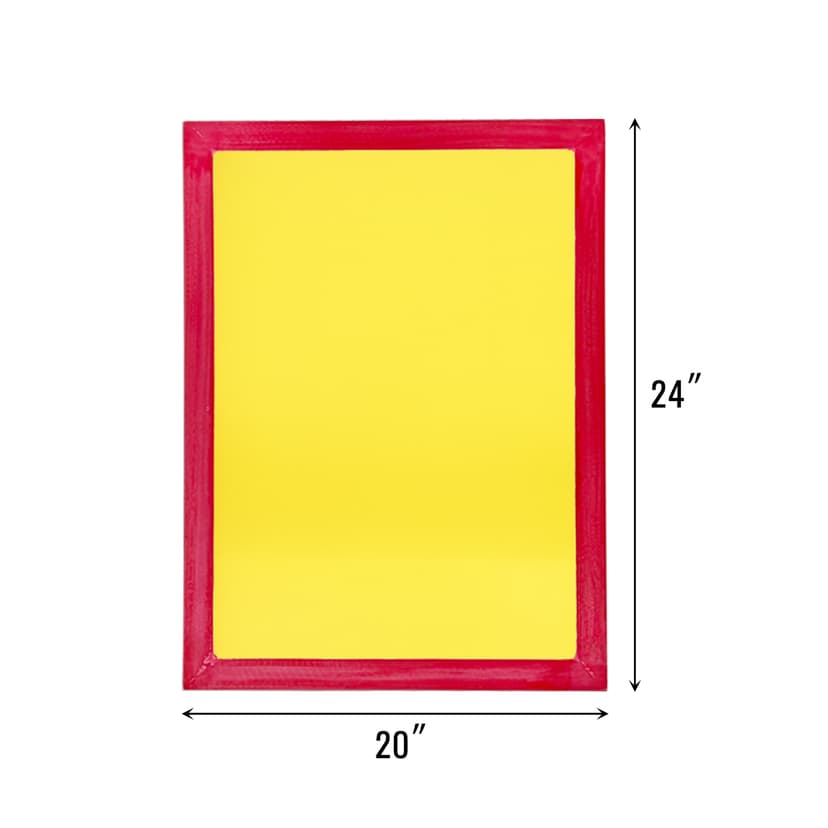
EXTRACTPHYTO is a China-based manufacturer. Its 10 × 14 inch and 16 × 20 inch dry sift screen listings describe polyester mesh with aluminum frames. The catalogue offers screen sets and single-frame purchasing, with custom requirements subject to confirmation.
These are relevant starting points when your requirement is a rectangular production screen. This article does not claim that these items are certified laboratory test sieves, or that EXTRACTPHYTO supplies calibrated ASTM sieves. If certified test sieves are mandatory, keep that requirement explicit and do not substitute an undocumented frame.
For a production quotation, specify the outside dimensions separately from the clear screening area. Include the required mesh material and aperture specification, frame construction, stacking or support interface and any identification requirement. Request confirmation of the units and the supplier’s measurement convention before accepting a specification.

A practical two-line purchasing brief
If production and laboratory teams both need screens, split the request into two lines. For production, list the frame drawing, mesh requirement, number of frames and acceptance checks. For the laboratory, list the test method, applicable sieve specification, apparatus fit and required certificate type. Suppliers can then identify exactly which line they can satisfy.
Do not score an undocumented production frame as a cheaper equivalent to a certified test sieve. Conversely, do not assume laboratory documentation alone makes a sieve suitable for the size and interface required by production. The acceptance requirements, not the appearance of mesh, determine whether two offers are comparable.
For the broader production selection process, see the existing dry sift screen set buying guide and dry sift screen category. This comparison addresses the product-class decision rather than adding another micron recommendation.
Request a production-frame specification review
Contact EXTRACTPHYTO for a production screen quotation, or email [email protected]. Send your company and reply email, intended screening requirement, outside frame dimensions, clear-area requirement, mesh material and aperture specification, single-frame or set quantity, destination and any mandatory documentation.
For a custom frame, include a drawing and mating dimensions. Ask which requirements can be met and which need further review; sample arrangements, inspection documents, minimum order quantities and delivery terms require written confirmation. If you need a laboratory test sieve instead, say so at the outset so an unsuitable production-frame quotation can be avoided.