Does a metal frame, wooden frame or metal fastener determine how a dry sift screen behaves in an electrostatic application? Not by itself. Charge behavior depends on the complete assembly, the materials in contact and the surrounding conditions. A frame’s appearance, a micron label or a product photograph cannot establish a particular electrostatic result.
One participant in a public online discussion asked whether staples in a wooden screen frame affected static behavior. This article turns that question into a purchasing checklist. The discussion is anecdotal and does not establish the performance of any EXTRACTPHYTO product.
Define the application before comparing offers
Tell the supplier that electrostatic behavior is relevant to your intended application, then describe the specific assembly and performance evidence you need. Ask whether the quoted configuration has been evaluated for that use. Do not assume that an ordinary screening product is sold as an electrostatic device or as safety equipment.
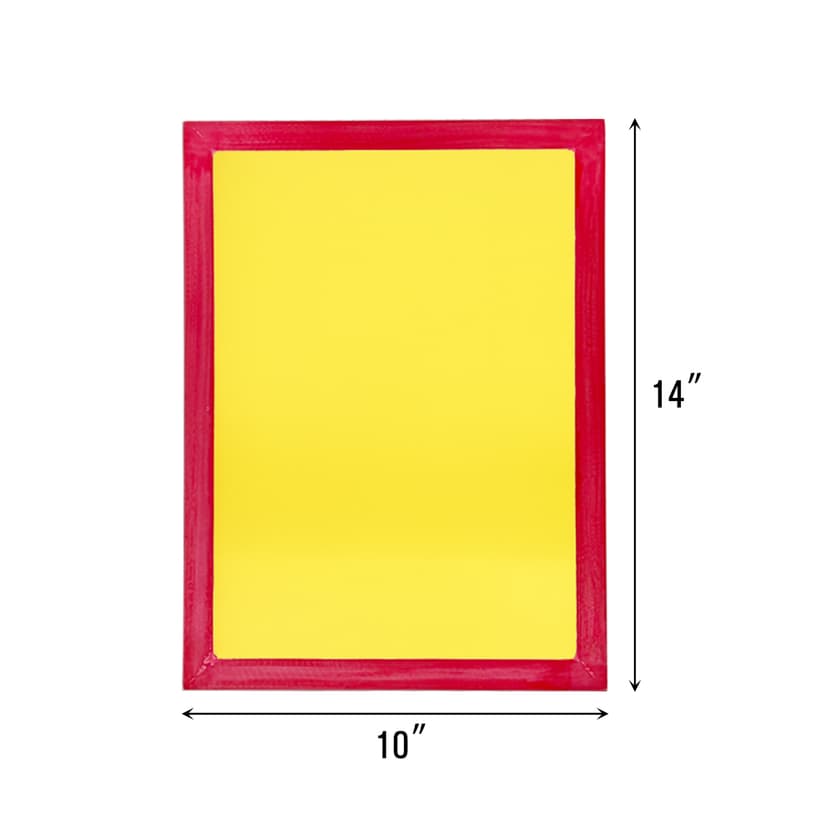
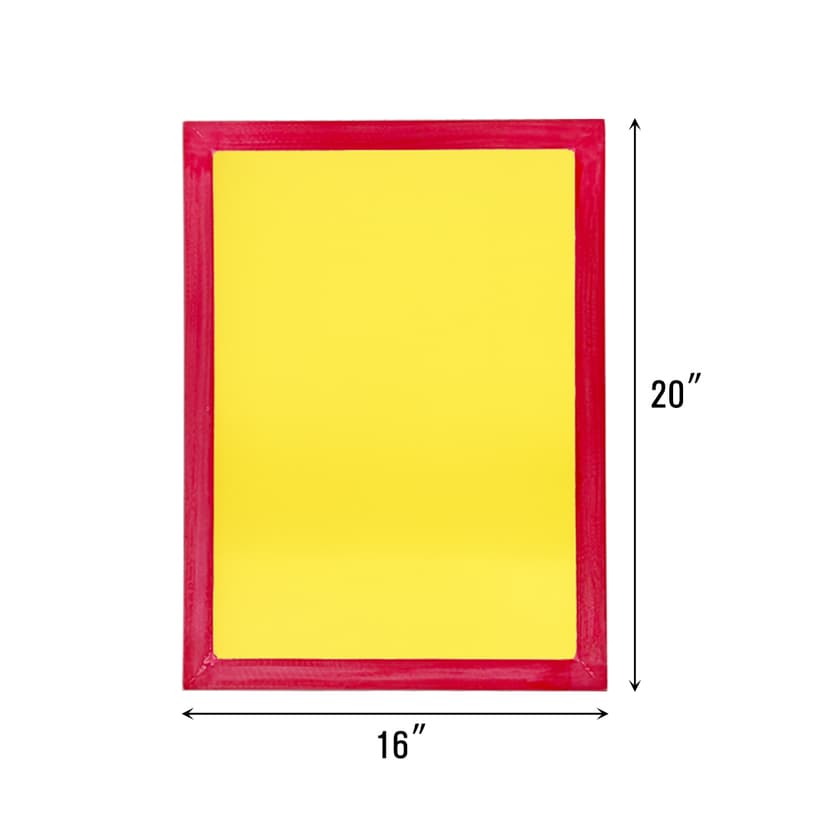
Compare the EXTRACTPHYTO screen range for dimensions and mesh options, but request a written application review for the exact configuration. Listing a screen for dry separation does not establish a specific static-control property or a guaranteed result.
Ask what each component actually is
A frame and its mesh form an assembly, and their materials may be different. Identify the mesh material, frame material and finish, mesh attachment method, any adhesive or coating, and any fasteners. If the supplier proposes a substitute, ask whether it changes the agreed configuration or evidence package.
A metal-looking frame does not prove an electrical connection to every part of the mesh. Conversely, a visible fastener on a wooden frame does not by itself quantify how the complete screen retains or dissipates charge. Request the supplier’s explanation and, where necessary, model-specific measurements rather than inferring performance from photographs.
Keep aperture, construction and electrical behavior separate
- Mesh aperture: ask for the nominal opening and the evidence supporting the specified mesh.
- Mechanical construction: define frame dimensions, attachment and agreed inspection criteria.
- Electrostatic requirement: describe the property and test conditions needed for the application.
A smaller nominal aperture does not automatically indicate stronger or weaker electrical charging. A mechanically sound screen may satisfy a dimensional inspection while its electrical behavior remains unverified. Keep these acceptance decisions separate.
Review the environment associated with any test
The NASA electrostatic discharge guidance discusses material conductivity, relative humidity and surface moisture among factors affecting charge dissipation. Its context is electrostatic discharge control for equipment, not dry sift screen testing. It provides general background and does not predict the behavior of a particular screen.
When a supplier provides a measurement or demonstration, ask which screen assembly was tested, what was measured, which equipment and method were used, and what temperature and relative humidity were recorded. Request the full limitations and any repeat results. Different humidity, surfaces or contact materials can make two observations difficult to compare.
Do not use a humidity figure from an unrelated document as an operating target or a safety guarantee. Your site should assess environmental and ignition risks with qualified personnel and follow applicable equipment instructions.
Compare evidence rather than a simple material ranking
When comparing a polymer mesh on a metal frame with another construction, align the quotation on actual dimensions, mesh specification and application. Ask whether the supplier can provide an identified sample and a description of the attachment. If an electrical property is essential, obtain a suitable test proposal and agree acceptance criteria before purchase.
A claim such as “static friendly,” “conductive” or “anti-static” needs a definition and support for the ordered assembly. No universal ranking of metal and wood frames follows from those descriptions alone, and this guide makes no representation that an EXTRACTPHYTO screen has a particular electrostatic certification.
Document your sample decision
Record the product reference, frame and mesh materials, attachment method, aperture, dimensions, sample identifier and the conditions of any evaluation. State which checks were completed and which remain open. Keep mechanical inspection results distinct from electrical measurements.
For related questions, consult the frame-material comparison and mesh-tension evidence guide. Those articles address different mechanical purchasing decisions and do not prove electrostatic performance.
Request an application-specific review
Request a quotation from EXTRACTPHYTO or email [email protected]. Include your company, desired screen size and nominal aperture, intended application, preferred construction, quantity, destination and the evidence you require. Ask the team to confirm whether the exact configuration and requested evaluation are available.
Sources reviewed 26 November 2026. The public discussion is anecdotal; NASA’s guidance is general electrical background and is not a test report for this product.