When choosing a rosin press, many buyers focus on tonnage. In reality, plate size often has a greater influence on how much material you can process, how much effective pressure reaches the material, and how consistent your results will be.
This guide explains the relationship between plate size, capacity and pressure, and shows how to match common plate dimensions with real production needs.
Why Plate Size Matters More Than Most Buyers Expect
Pressure on the material (PSI) is calculated as:Force ÷ Plate AreaA higher-tonnage machine with oversized plates can deliver lower actual pressure than a lower-tonnage machine with smaller plates.
Choosing the right plate size helps you:
Match batch weight to the pressing surface
Achieve appropriate pressure without excessive force
Improve heat transfer and flow
Reduce bag blowouts and uneven extraction
Common Plate Sizes and Typical Capacity
| Plate Size (approx.) | Contact Area | Typical Flower Capacity | Typical Use Case | Notes |
|---|---|---|---|---|
| 2×3 inch (≈5×7.5 cm) | Small | 3–7 g | Personal / testing | Fast heat-up, limited volume |
| 3×5 inch (≈7.5×12.5 cm) | Medium | 7–14 g | Home & small commercial | Popular balanced size |
| 4×7 inch (≈10×18 cm) | Larger | 14–28 g+ | Higher volume | Requires more force for good PSI |
| 6×12 cm (2.4×4.7 inch) | Compact rectangular | Small–medium | Entry hydraulic | Used on CK220 |
| 10×15 cm / 12×12 cm / 15×20 cm | Larger options | Medium–higher | Pneumatic production | Available on LCB1015-3 |
Exact capacity depends on material density, moisture, bag type and pressing style. The ranges above are practical starting points, not guarantees.
How Plate Size Affects Effective Pressure
Example (simplified):
A 2-ton press with small plates can generate higher PSI on the material than a 5-ton press with much larger plates.
Larger plates allow bigger batches but require more total force to maintain the same PSI.
Practical guideline:
Flower rosin often works well in the approximate 600–1500 PSI range at the plate (depending on material and desired style).
Hash rosin generally prefers lower pressure than flower.
Always prioritize controlled, even pressure over maximum force.
Matching Plate Size to Your Workflow
Small plates (2×3 or similar)
Best for: personal use, testing new material, learning temperature and pressure.
Limitation: low throughput.
Medium plates (around 3×5 or 6×12 cm)
Best for: regular home use and small commercial batches.
Good balance of capacity and manageable pressure requirements.
Example: CK220 uses 6×12 cm plates.
Larger plates (4×7, 10×15 cm, 15×20 cm etc.)
Best for: higher daily volume.
Requires adequate force and good temperature uniformity.
Example: LCB1015-3 offers multiple larger plate options (10×15 cm / 12×12 cm / 15×20 cm).
EXTRACTPHYTO Plate Options by Model Type
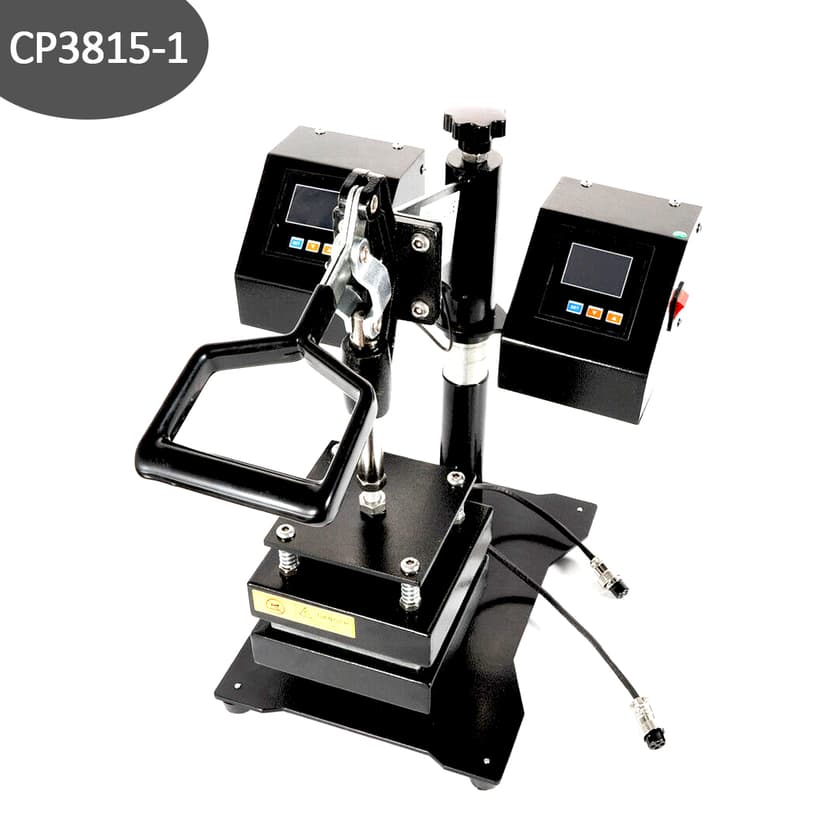
Manual series (1903, 1905, 1907, 2005, 2011, 2047, CP3815-1): Various compact to medium sizes suited for personal and light use.
CK220 Hydraulic: 6×12 cm plates — practical size for small to medium batches.
LCB1015-3 Pneumatic: Selectable larger plates (10×15 cm / 12×12 cm / 15×20 cm) for higher capacity production.
LCB1015-5 and FZLC-B5-2: Pneumatic options oriented toward production workflows.
2113 Electric: Designed for controlled operation; plate configuration should be confirmed according to specific needs.
Custom plate sizes may be available for OEM projects depending on volume and technical feasibility.
Practical Selection Advice
Estimate your typical batch weight first (flower or hash).
Choose a plate size that comfortably fits that batch without overloading.
Ensure the machine’s force is sufficient to generate appropriate PSI on that plate area.
Consider heat uniformity — larger plates need better heating design.
Think about future volume. Starting slightly larger than your current needs can reduce the need for an early upgrade.
Common Mistakes
Buying the largest plates available without enough force to generate useful pressure
Using oversized plates for very small batches (poor efficiency and heat control)
Ignoring the interaction between plate size, bag size and material preparation
Focusing only on tonnage while neglecting actual plate dimensions
Summary Recommendation
Personal / testing → Smaller plates
Regular home or small commercial → Medium plates (such as 6×12 cm on CK220)
Higher volume production → Larger selectable plates (such as options on LCB1015-3)
Plate size should be chosen according to your real batch size and desired workflow, not by simply selecting the biggest option.
Need help matching plate size to your production?
Tell us:
Typical material (flower or hash)
Average batch weight
How many presses per day you expect
Current or preferred machine type
We will recommend suitable plate configurations and corresponding EXTRACTPHYTO models.Contact us for plate size & model recommendation